
Zucchini – Cucurbita Pepo
Zucchini is a very versatile and popular plant, easy to grow and with numerous health benefits. It’s a warm-season crop that requires a minimum of 6-8 hours of daily sunlight (8-10h is ideal). Whether you have a full vegetable garden or just a few large containers on a sunny terrace, zucchini rewards even beginner gardeners: a single healthy plant can produce 3 to 5 kg of fruit over the season.
Main Care Tips
- Watering: Regular and consistent, especially during flowering. Drip or soaker hose irrigation is recommended to avoid wetting the leaves — a DIY bottle drip system works surprisingly well for a few plants.
- Soil: Rich in organic matter, well-drained, and mulched. Ideal pH between 6 and 7.
- Pests: Particularly susceptible to the cabbage worm (Pieris brassicae) and fungi. Manual removal of worms and orange eggs from the underside of leaves is recommended.
When and How to Sow Zucchini
Zucchini is very sensitive to cold. Sow only when all risk of frost has passed and the soil stays above 15 °C — usually between April and June in temperate climates. For an earlier harvest, start seeds indoors 3–4 weeks before the last frost, in individual pots so the roots are not disturbed at transplant.
- Work the soil 30 cm deep and mix in 3–5 kg of mature homemade compost or well-rotted manure per m². Zucchini is a heavy feeder.
- Sow 2–3 seeds per station, 2–3 cm deep, with 90–100 cm between plants. These bushes get big — don’t overcrowd them.
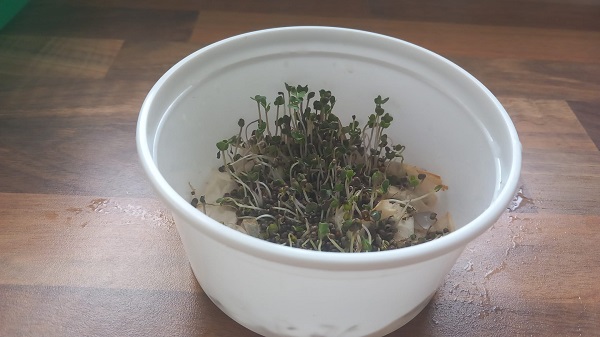
- Water gently and keep the seedbed moist until germination, which takes 7–10 days in warm soil.
- Once seedlings have 2 true leaves, thin to the strongest plant per station.
- Mulch generously with straw or dried grass clippings to hold moisture and keep fruit off the damp soil.
Seasonal Care Calendar
- Early spring: Start seeds indoors or prepare beds with compost. Harden off seedlings before transplanting.
- Late spring: Transplant or direct-sow after the last frost. Install mulch and irrigation.
- Summer: Water deeply 2–3 times a week, harvest every 2–3 days, watch for powdery mildew and aphids.
- Early autumn: Production slows with cooler nights; remove old leaves to keep airflow and pick the last fruit before the first frost.
Feed every 2–3 weeks once flowering starts, using a potassium-rich organic fertilizer (comfrey tea or diluted liquid seaweed). Avoid excess nitrogen: it produces huge leaves and few fruits.

Companion Planting
- Compatible: Aromatic herbs (thyme, basil), carrots, and legumes.
- Incompatible: Tomatoes (compete for light) and strawberries (compete for soil).
Pests and Diseases to Watch
Most zucchini problems come down to three causes: wet foliage, irregular watering, and poor pollination. Keep these under control and the plants practically look after themselves.
- Powdery mildew: The most common zucchini problem — a white, flour-like coating on leaves in late summer. Prevent it by watering at the base, spacing plants well, and spraying a milk solution (1 part milk to 9 parts water) at the first sign.
- Blossom end rot: A dark, sunken spot on the fruit tip, caused by irregular watering rather than a true calcium deficiency. Keep moisture steady and mulch.
- Aphids: Colonies on tender shoots and leaf undersides. A strong jet of water or a potassium soap spray controls them; ladybugs do the job for free if you have them around.
- Poor fruit set: Flowers that drop without producing fruit usually mean poor pollination. Hand-pollinate in the morning by rubbing a male flower (thin stem) inside a female one (tiny fruit behind the petals).
Harvesting: When and How
Pick zucchini young, at 15–20 cm long, when the skin is still glossy and easy to pierce with a fingernail. Cut with a knife leaving a short stem, and check plants every 2–3 days at peak season — fruit doubles in size almost overnight. Frequent harvesting keeps the plant producing; leave a giant zucchini on the bush and it will slow down. The yellow flowers are also edible, stuffed or battered.
Fresh zucchini keeps 1–2 weeks in the fridge crisper drawer. Surplus harvest can be grated and frozen for soups and baking, or sliced and dried. Round and yellow varieties follow exactly the same rules.
Common Mistakes
- Sowing too early in cold soil — seeds rot or seedlings stall permanently.
- Wetting the foliage when watering, which invites mildew.
- Planting too many: 1–2 plants feed a family.
- Letting fruit turn into marrows — small is tastier and keeps the plant productive.
Frequently Asked Questions
Can zucchini grow in pots? Yes — use a container of at least 40–50 litres with rich potting mix, water daily in summer, and feed every two weeks.
Why does my plant flower but produce no fruit? Male flowers appear first and drop naturally. If female flowers also fall, pollinate by hand or attract more bees with nearby flowers.
How many plants do I need? One or two plants produce more than enough for a family of four; three plants will have you giving zucchini to the neighbours.
Why are my zucchini bitter? Bitterness comes from cucurbitacins, which build up under heat stress or cross-pollination with ornamental gourds. Never eat bitter fruit — discard it.