Bringing Green to the Gloomy Corners: Your Guide to Resilient Low Light Houseplants
We all dream of a home teeming with lush greenery, a vibrant indoor jungle that breathes life into every room. But let’s be honest, not every corner of our homes is bathed in glorious sunshine. Many of us grapple with dimly lit apartments, north-facing windows, or rooms that just seem to swallow light whole. And often, this perceived lack of light leads to plant parents feeling disheartened, believing their green thumb is doomed.
Well, I’m here to tell you that couldn’t be further from the truth! As a lifelong plant enthusiast, I’ve seen countless “impossible” spaces transformed into verdant havens. The secret? Embracing the incredible world of low light tolerant houseplants. These aren’t just survivors; they’re thrive-rs, bringing beauty, fresh air, and a touch of nature’s magic to even the most challenging spots. Forget what you think you know about plants needing constant sun – let’s dive into the resilient wonders that will redefine your indoor gardening journey.
Why Low Light Plants are a Game-Changer
Understanding why certain plants excel in lower light conditions is key to appreciating their superpower. These species have adapted over millennia to live on the forest floor, beneath dense canopies where sunlight filters down sparingly. Their leaves are often darker, wider, or thinner, designed to capture every precious photon. They also tend to have slower growth rates, which means they require less energy (and thus, less light) to maintain themselves.
For us, this means:
- More options for placement: No longer are your plant dreams confined to windowsills. Think shelves, bathroom counters, office desks, or even that cozy, dimly lit reading nook.
- Lower maintenance: Generally, slower growth also means less frequent watering and feeding. Perfect for busy lives!
- Air purification: Many of these champions are excellent at filtering indoor air, contributing to a healthier living environment.
- Boosted mood: Science consistently shows that being surrounded by plants reduces stress and increases feelings of well-being. Don’t let a lack of light deny you these benefits!
The Unbeatable Stars of the Low Light Show
Ready to meet your new green companions? These are my absolute favorites – plants that consistently impress with their hardiness and beauty, even when the sun plays hide-and-seek.
Snake Plant (Sansevieria trifasciata)
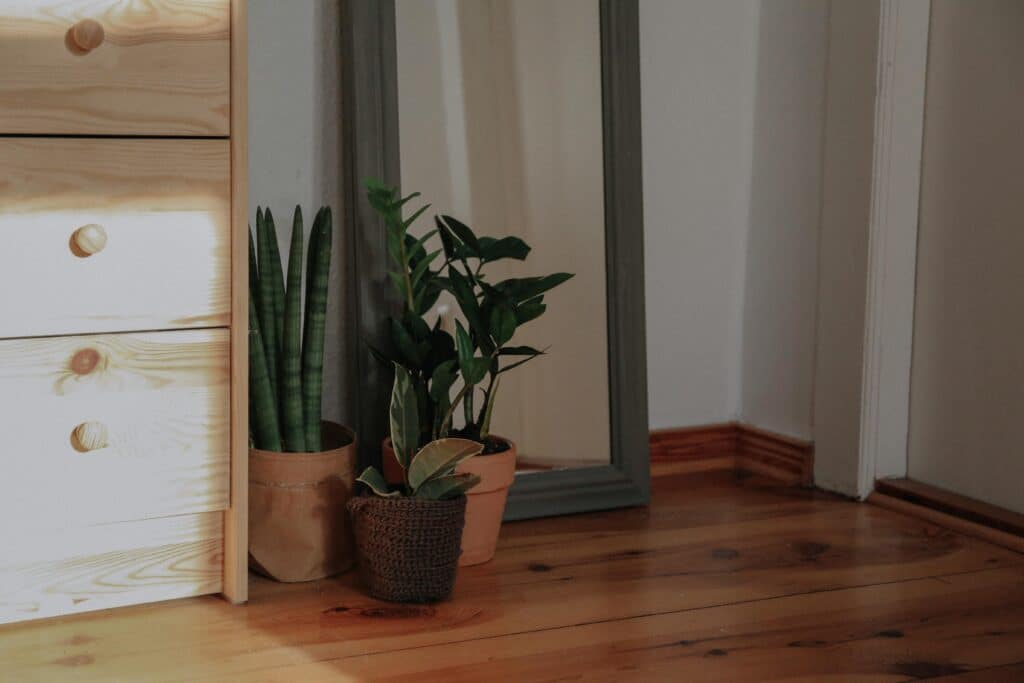
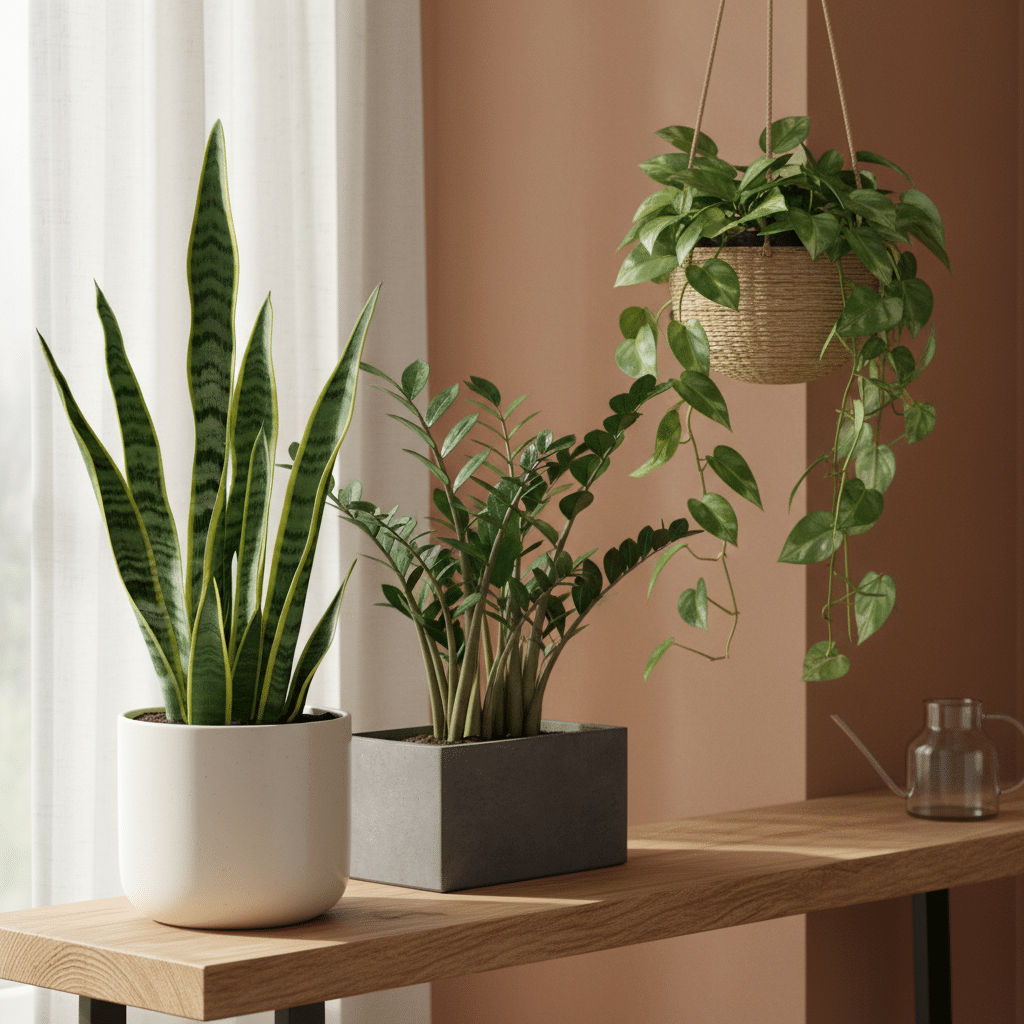
If there’s one plant that embodies resilience, it’s the Snake Plant, also affectionately known as Mother-in-Law’s Tongue. Its striking, upright sword-like leaves come in various patterns, from deep green to variegated gold. It’s practically indestructible. I’ve seen these thrive in dimly lit hallways, forgotten in corners, and still look absolutely majestic.
- Why it’s great: Tolerates severe neglect, incredibly drought-tolerant, and a fantastic air purifier.
- Care tip: The biggest mistake with Snake Plants is overwatering. Seriously, when in doubt, wait another week. They prefer to be on the drier side.
ZZ Plant (Zamioculcas zamiifolia)
The ZZ Plant is another superhero of the low light world, boasting glossy, dark green leaves that grow in an elegant, arching fashion. Its thick, potato-like rhizomes store water, making it incredibly forgiving if you forget to water it for a while (or even a month!). If you travel frequently or just want a “set it and forget it” plant, this is your champion.
- Why it’s great: Extremely drought-tolerant, pest-resistant, and thrives on neglect.
- Care tip: Allow the soil to dry out completely between waterings. Yellowing leaves are usually a sign of overwatering.
Pothos (Epipremnum aureum)
Ah, Pothos! This vining beauty is a classic for a reason. With its heart-shaped leaves and various variegations (neon green, marbled white, or classic green), it’s incredibly versatile. Let it trail from a shelf, climb a moss pole, or hang gracefully in a basket. It’s not just tolerant of low light; it actually prefers it to intense sun, which can scorch its leaves.
- Why it’s great: Fast-growing, easy to propagate, and very adaptable to different light conditions (though low light is fine).
- Care tip: Pothos will tell you when it’s thirsty – its leaves will start to droop slightly. Give it a good drink, and it’ll perk right up.
Peace Lily (Spathiphyllum)
If you crave flowers, even in low light, the Peace Lily is your answer. Its elegant white “flowers” (which are actually modified leaves called spathes) emerge gracefully from dark green foliage. Beyond its beauty, it’s a stellar air purifier, known for removing toxins from indoor environments.
- Why it’s great: Produces beautiful blooms in low light, excellent air purifier, and fairly communicative about its needs.
- Care tip: Like the Pothos, a Peace Lily will dramatically droop when it needs water. It’s a bit of a drama queen, but quickly recovers after a good soak.
Chinese Evergreen (Aglaonema)
The Chinese Evergreen offers some of the most stunning foliage in the low light category. Available in an incredible array of colors and patterns – from deep greens to reds, pinks, and silvers – it adds a vibrant pop to any subdued space. These plants are true statement pieces that thrive without demanding much light.
- Why it’s great: Beautiful, diverse foliage; very adaptable and low maintenance.
- Care tip: Avoid placing it in cold drafts, as it prefers warmer temperatures. Its vibrant colors are more pronounced in brighter, indirect light, but it still maintains beauty in lower light.
Spider Plant (Chlorophytum comosum)
Often overlooked for its commonness, the Spider Plant: The Guide to the Most Resilient Spider Plant is a true marvel for low-light conditions. Its arching, striped leaves and adorable “spiderettes” (baby plants) make it a delightful addition, especially in hanging baskets where those little babies can dangle freely. It’s incredibly forgiving and, like many on this list, a great air purifier.
- Why it’s great: Easy to propagate, excellent air purifier, and incredibly resilient.
- Care tip: Spider plants appreciate a good watering when the top inch of soil feels dry. Brown tips on the leaves can often indicate fluoride in tap water; using filtered water can help!
Aloe Vera (Aloe barbadensis miller)
While often associated with bright windows for maximum growth, the versatile Aloe Vera: The Natural First Aid Kit in your Home (Cultivation Guide) can indeed tolerate and even thrive in lower light conditions, though it might grow a bit slower. Its succulent leaves store water, making it incredibly drought-tolerant, and its medicinal properties are a huge bonus!
- Why it’s great: Medicinal properties, drought-tolerant, and adds a unique structural element.
- Care tip: Give it as much indirect light as possible, even if it’s “low light” by your standards. In lower light, water even less frequently than usual to prevent rot.
Mastering Low Light Plant Care
Bringing these green heroes into your home is just the first step. To ensure they truly flourish, even in their preferred dimmer environments, here are a few essential tips:
The Golden Rule of Watering
In lower light, plants use water much, much slower. This is perhaps the most crucial difference in care. Overwatering is the number one killer of low light plants. Always check the soil moisture before watering. Stick your finger two inches deep into the soil. If it feels damp, wait. If it’s dry, then it’s time for a drink. A good rule of thumb is to err on the side of underwatering rather than overwatering.
Cleanliness is Key
Dust can accumulate on broad leaves, blocking what little light is available. Regularly wipe down the leaves of your low light plants with a damp cloth. Not only does this help them photosynthesize more efficiently, but it also keeps them looking vibrant and healthy. It’s a small act that makes a big difference!
Rotate Your Plants
Even in low light, plants will naturally try to orient themselves towards the nearest light source. To encourage even growth and prevent them from looking lopsided, rotate them a quarter turn every week or two. This ensures all sides get a chance to bask in whatever ambient light is present.
Fertilize Sparingly
Slower growth means fewer nutrients are needed. During their active growing season (spring and summer), fertilize low light plants at half the recommended strength, and only every 2-4 months. During fall and winter, they typically need no fertilizer at all.
Listen to Your Plants
They speak to you, I promise! Yellowing leaves can indicate overwatering (most common in low light) or occasionally nutrient deficiency. Drooping might mean thirst. Stunted growth or pale leaves could signal they’re getting too little light, even for a low light plant, and might need to be moved to a slightly brighter spot. For specific issues, like battling tiny invaders, you might want to learn How to combat aphids ecologically: Home remedies to keep your resilient friends healthy.
Unleash a Hidden World of Green
Embracing low light houseplants isn’t a compromise; it’s an opportunity to unlock new possibilities for your indoor garden. These tenacious beauties prove that you don’t need a sun-drenched conservatory to enjoy the profound benefits of living greenery. So go ahead, pick a corner, choose your resilient companion, and watch as your home transforms into a more vibrant, healthier, and happier space. With a little understanding and love, these green champions will flourish, bringing life and serenity to even the dimmest corners, reminding you that sometimes, the most extraordinary beauty thrives where you least expect it.