Zinnias are annual plants that truly stand out thanks to their vibrant colors, long-lasting blooms, and impressive heat resistance. Originally from Mexico and Central America, they’re perfect for filling our gardens, balconies, and vegetable patches with flowers ranging from soft whites and pastels to the most intense fuchsias. They’re also a fantastic ally for organic gardens due to their knack for attracting pollinators — bees and butterflies visit them constantly from midsummer until the first frost.
Main Care Tips
- Watering: Moderate; let the soil dry out between waterings. Avoid wetting leaves and flowers to prevent fungal issues.
- Light: Full sun (minimum 6 hours daily). In shade they grow leggy and bloom poorly.
- Soil: Light, loose, and well-draining. They tolerate poor soil but bloom more generously with a little compost mixed in.
- Protection: Can be affected by aphids and thrips. Encouraging the presence of ladybugs and lacewings is recommended.
How to Sow Zinnias Step by Step
Zinnias dislike root disturbance, so direct sowing in their final spot gives the best results. Wait until the soil has warmed and all frost risk has passed — late April to June in most climates.
- Loosen the top 15 cm of soil and remove stones and weeds.
- Sow seeds 5 mm deep, spaced 20–30 cm apart (tall varieties need more room).
- Water gently and keep the bed moist — seedlings appear in 4–7 days at 20–25 °C.
- Thin to the strongest seedlings once they have two pairs of true leaves.
- Pinch out the growing tip when plants reach 15–20 cm to encourage bushier growth and more flowers.
For pots and balconies, use a container at least 25 cm deep with standard potting mix and place it in the sunniest spot you have. Dwarf varieties like ‘Thumbelina’ or the ‘Profusion’ series are ideal for containers.

Propagation
Very easy to propagate from seeds in spring. They germinate in 4-7 days at temperatures of 20-25°C (68-77°F). If you’ve never started a seed before, follow the same basic steps explained in how to make a seed sprout — zinnias are one of the most forgiving seeds to practice with.
Keeping the Flowers Coming
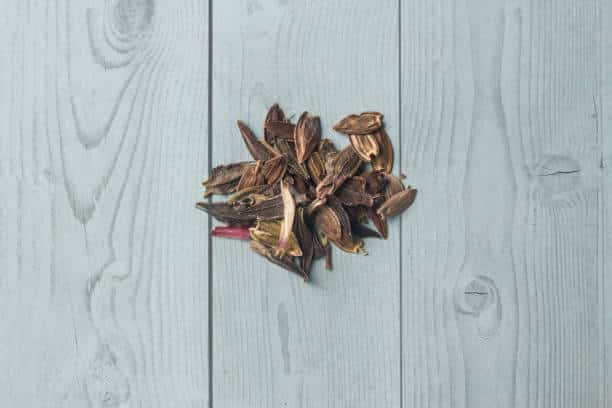
Zinnias bloom on new growth, so the more you cut, the more they flower. Remove spent blooms (deadheading) every few days, cutting the stem back to a pair of leaves. For cut flowers, harvest in the cool morning when blooms are fully open — they last 7–10 days in a vase. Let a few flowers go to seed at the end of the season and collect the dried, arrow-shaped seeds for next year; they keep their viability for 2–3 years in a paper envelope.
Pests and Diseases
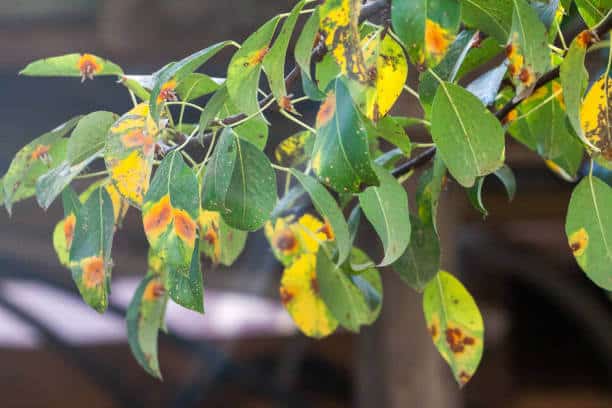
- Powdery mildew: White dust on leaves in late summer is almost unavoidable. Minimize it with wide spacing, morning watering at the base, and removing the worst leaves. Resistant series (‘Profusion’, ‘Zahara’) rarely get it.
- Aphids and thrips: Distorted new growth and silvery streaks on petals. Knock them off with water or use insecticidal soap; avoid broad-spectrum sprays that kill the pollinators zinnias attract.
- Leaf spot and alternaria: Brown spots with yellow halos, worse in wet summers. Water at the base and remove affected leaves.
- Japanese beetles / caterpillars: Hand-pick larger pests in the morning; damage is usually cosmetic.
Varieties Worth Trying
- ‘Benary’s Giant’: Tall (up to 1 m), huge dahlia-like blooms, the classic cutting-garden zinnia.
- ‘Profusion’ series: Compact, highly mildew-resistant, flowers nonstop without deadheading.
- ‘Queen Lime Orange’: Unusual lime-and-blush tones, a favorite for bouquets.
- ‘Thumbelina’: True dwarf (15–20 cm), perfect for pots, edging, and children’s gardens.
Zinnias in the Vegetable Garden
Planting a row of zinnias between crops is one of the oldest organic gardening tricks: their open, nectar-rich flowers feed bees, hoverflies, and parasitic wasps that pollinate tomatoes and squash while keeping aphid populations down. They also work as a “trap crop” that draws Japanese beetles away from beans. Sow a strip along the edge of the vegetable patch or tuck single plants between rows — anywhere they get full sun without shading your vegetables.
Common Mistakes
- Overhead watering or watering in the evening — the fastest route to mildew.
- Sowing too early in cold, wet soil; seeds simply rot.
- Crowding plants together; poor airflow invites disease.
- Skipping deadheading; the plant puts energy into seed instead of new blooms.
Frequently Asked Questions
Do zinnias come back every year? No, they’re true annuals — but they self-seed readily in warm climates, and saved seeds replant easily.
How long do zinnias take to flower? About 60–70 days from sowing to first bloom, one of the fastest of any garden flower.
Are zinnias toxic to pets? They’re generally considered non-toxic to dogs and cats, making them a safe choice for pet-friendly gardens.
Why are my zinnia leaves turning white? That’s powdery mildew — improve airflow, water at the base in the morning, and remove affected leaves.
Can I grow zinnias indoors? They can be started indoors in biodegradable pots, but they need very strong light; outdoors in full sun is where they perform best.