
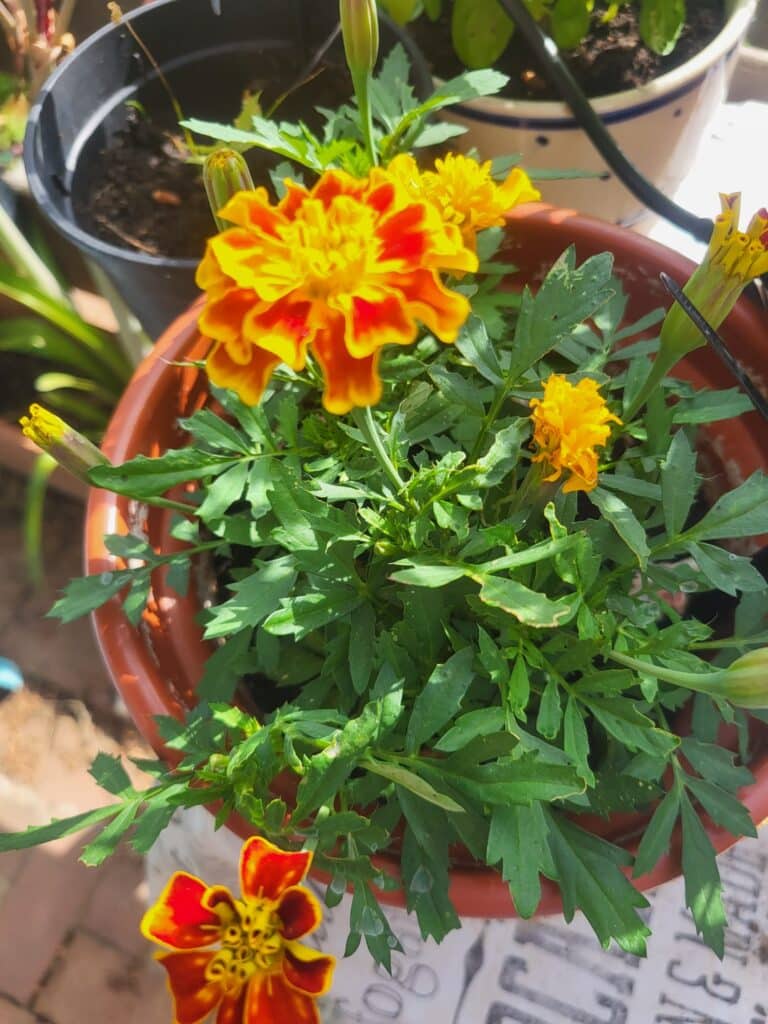
Marigolds, also known as African marigolds, Mexican marigolds (cempasúchil), or sometimes referred to as French marigolds, are annual plants native to Central and South America, highly valued for their vibrant flowers, distinctive scent, and their ability to repel pests in the garden. They are a true ally in organic gardening thanks to their allelopathic properties and ease of cultivation.
If you want to know how to successfully grow them in your home or urban garden, stick around and keep reading, because below we explain everything you need to know about this amazing plant.

Moderate and regular watering. Avoid waterlogging.


Direct sun. Minimum 6h a day.

Drip / Manual watering can without wetting leaves.

Very easy to grow, ideal for beginners.

Does not tolerate frost.

By Seeds
Marigold Care
Soil Requirements
Marigolds adapt well to different soil types, but will grow more vigorously and healthily if cultivated in a light, well-drained substrate, rich in organic matter, and with a neutral or slightly acidic pH (6.0 – 7.0). Avoid very compact soils or those prone to waterlogging.
Soil Preparation
Before planting marigolds, it’s advisable to enrich the soil with well-rotted compost or organic fertilizer, as this improves its structure, nutrient retention, and overall fertility. It’s also essential to ensure the soil has good drainage, as excess moisture can lead to the development of fungi or root rot.
When growing marigolds:
- In the garden bed: Loosen the soil to a depth of 20 to 25 cm (8 to 10 inches), removing stones, old roots, and other plant debris. Then, incorporate well-decomposed compost or manure. Finally, water lightly before sowing or transplanting so the substrate is moist but not saturated.
- In pots: Ensure it has drainage holes. Place a layer of gravel or expanded clay at the bottom to prevent waterlogging. Fill with a mixture of universal potting mix and compost in a 70/30 ratio, and moisten lightly before sowing or transplanting.
Light Requirements
Marigolds need plenty of direct sunlight to bloom profusely. Place them in a spot with at least 6 hours of sun per day. They can tolerate some partial shade, but their flowering will be poorer.
Watering
Marigolds prefer slightly moist soils but do not tolerate waterlogging. Water moderately and regularly, allowing the top layer of the substrate to dry out between waterings. In summer, they may require more frequent watering, especially if in pots or under full sun.
Watering Methods
Drip irrigation is ideal for marigolds, as it allows for constant moisture without excessively wetting the leaves or flowers, thus preventing fungal diseases. Manual watering with a watering can can also be used, applying water directly to the substrate, avoiding wetting the aerial parts of the plant.
Care: Pests and Diseases
Although marigolds are known for their natural resistance, it’s important to be aware of both pests and diseases that can affect them under certain conditions. Below we list some of them so you know what they are and how to prevent them:
Pest Protection
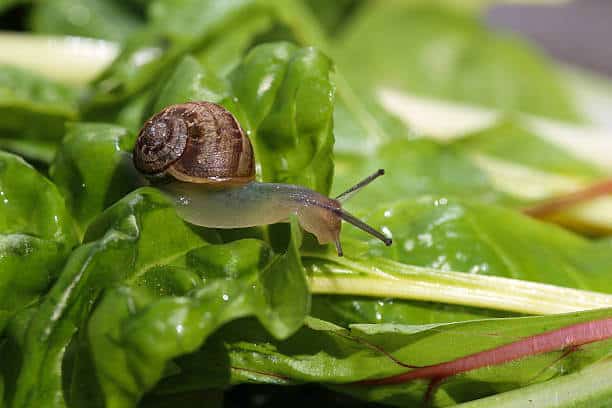
The most common pests that can appear on marigolds are aphids, thrips, and snails or slugs.
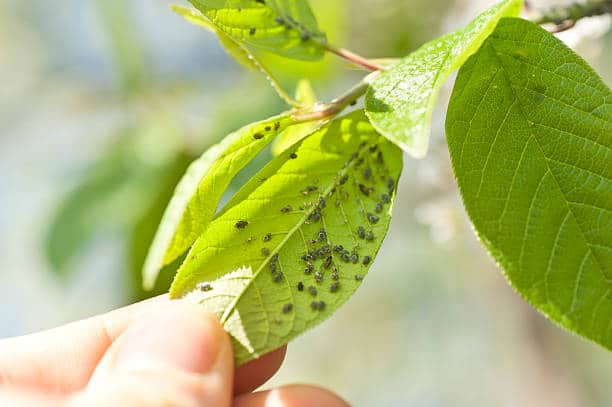
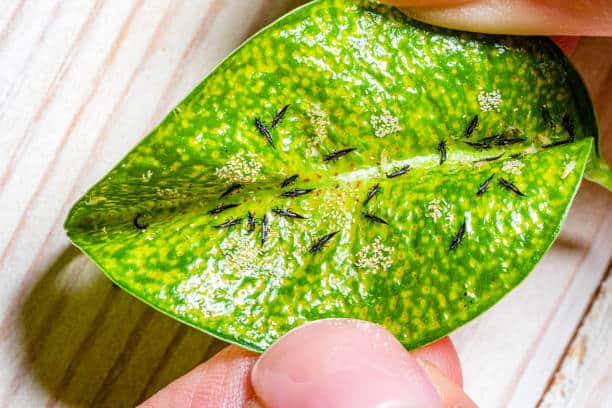
Aphids and thrips both feed on plant sap and tend to concentrate on tender shoots, causing general weakening. Additionally, thrips cause visible damage in the form of small silvery spots on leaves and flowers. To get rid of them or keep them under control, we can encourage the presence of beneficial predators such as ladybugs, lacewings, or even lizards, which feed on these insects and help maintain balance in our garden’s ecosystem.
Regarding slugs and snails, these appear especially in humid environments and can chew on tender leaves; to prevent their presence, it is recommended to keep the soil free of plant debris and use physical barriers to impede or hinder their movement. However, the most effective method will be to remove them by hand during the early morning hours or at dusk.
Disease Protection
Regarding diseases, marigolds can be affected by fungal issues if grown in conditions of excessive humidity or poor ventilation.
Powdery mildew is one of the most frequent affections and manifests as a white powdery coating on the leaves, while botrytis or gray mold appears as brown spots with mold in especially humid conditions. Another important disease is root rot, which occurs when the substrate remains waterlogged for prolonged periods.
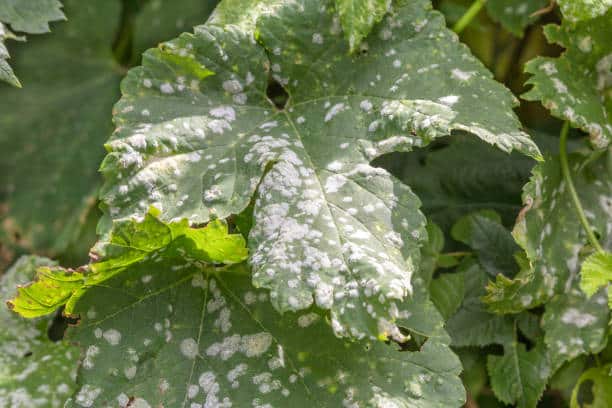
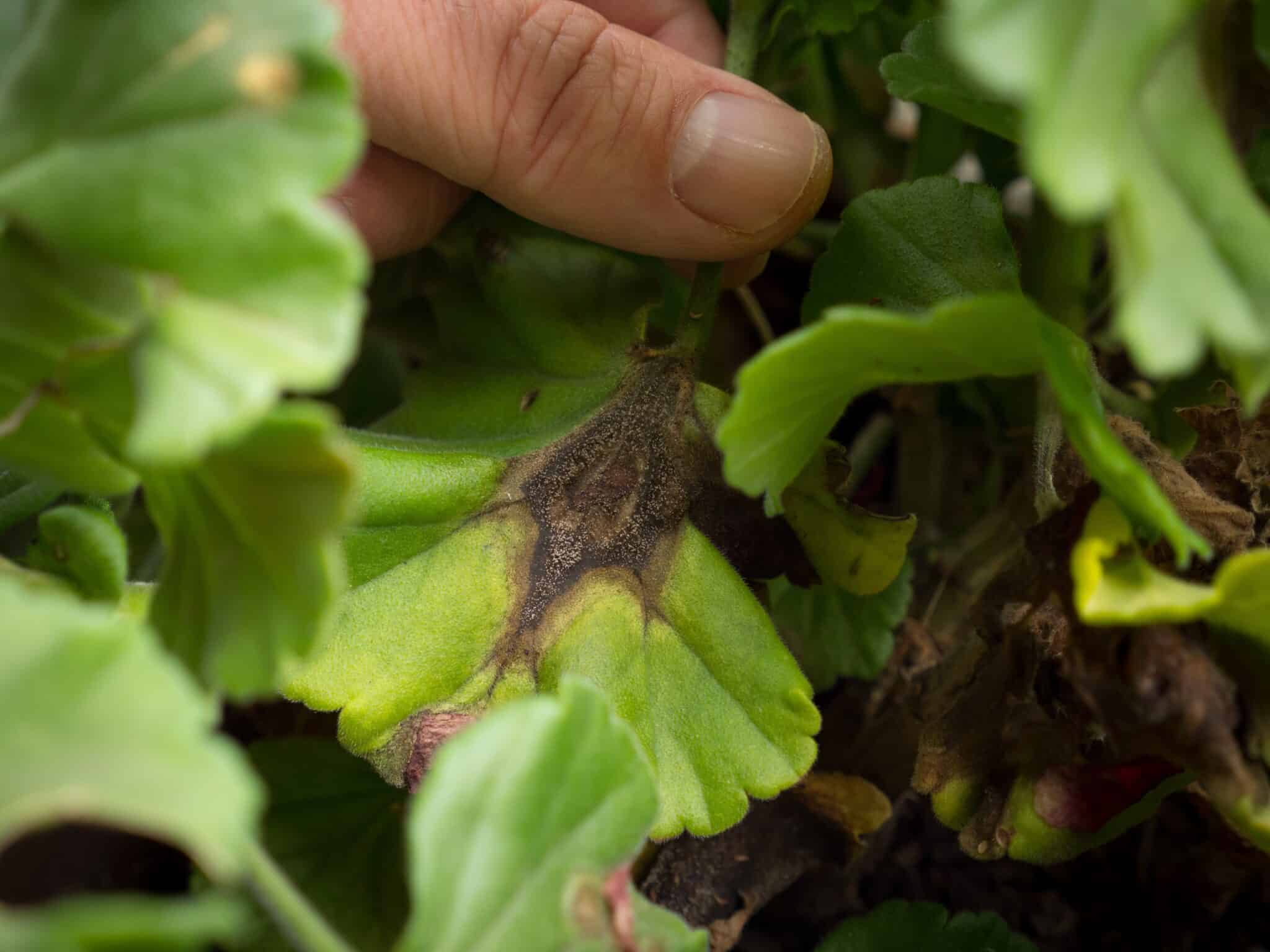
To prevent these diseases, it is crucial to ensure that the soil drains well, avoid wetting the leaves when watering, and maintain adequate spacing between plants to promote air circulation. Furthermore, keeping the environment clean and free of plant debris also helps reduce the incidence of these issues.
How to Propagate Marigolds
Propagation by Seeds
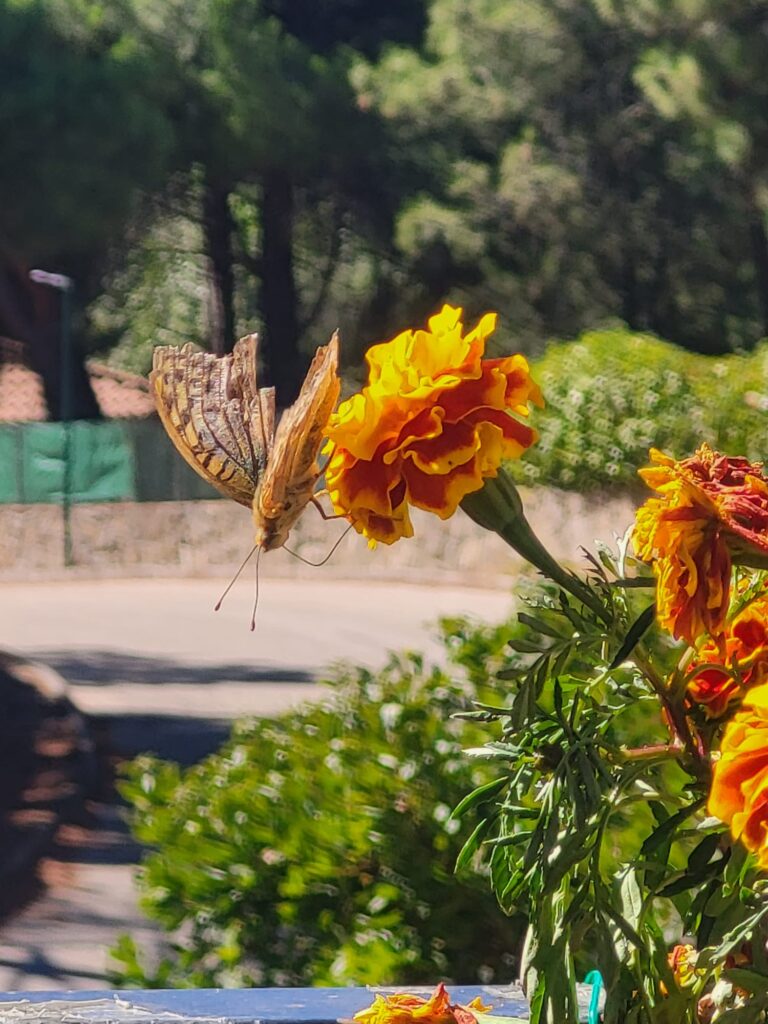
Marigolds are primarily propagated through seeds, making them a very accessible plant for any gardening enthusiast.
At the end of their flowering cycle, dried flowers develop small seed heads containing a large number of elongated seeds, easily recognizable by their dark tip and lighter base. To collect them, simply cut the flowers once they are completely dry, carefully extract the seeds, and let them dry for a few more days in an airy, dry place away from direct light.
Once dry, they should be stored in an airtight container, such as a paper envelope or a glass jar, in a cool place.
Sowing
Sowing is preferably done in spring, directly into the substrate or in seedbeds, ensuring constant humidity until germination. The ease with which marigolds reproduce makes it possible to use seeds collected from the previous year each season, thus promoting sustainable and continuous cultivation.
Uses of Marigolds
- Ornamental: its orange, yellow, and reddish flowers decorate balconies, pots, and gardens.
- Ecological: repels pests such as nematodes or whiteflies.
- Culinary: some marigold varieties (like Tagetes tenuifolia) are used in salads and baking for their citrus flavor.
- Medicinal: in infusions, some species may have digestive and anti-inflammatory properties.
- Cultural: in Mexico, cempasúchil (Tagetes erecta) is traditionally used on Día de Muertos (Day of the Dead).
Companion Planting
Marigolds are one of the best companion plants in the garden due to their ability to repel pests, attract pollinators, and improve soil health. This makes them an ideal companion for many vegetables.
Why are they beneficial?
Marigold roots release compounds (such as thiophenes) that act against soil nematodes, parasites that attack the roots of many vegetables. Additionally, their intense aroma deters insects like whiteflies, without harming pollinators. Planting them between rows or around crops helps keep the garden healthy and in ecological balance.
Now that you know all about marigolds, here are some recommendations we think might be useful to you:
🌿 Marigold Seeds
An essential for attracting pollinators, protecting your crops, and enjoying edible flowers.
💧 Manual Watering Can
Ideal for targeted watering and delicate garden areas without damaging the substrate or seedlings.
🟤 Expanded Clay
An essential for improving substrate, helping to maintain adequate moisture and prevent waterlogging.