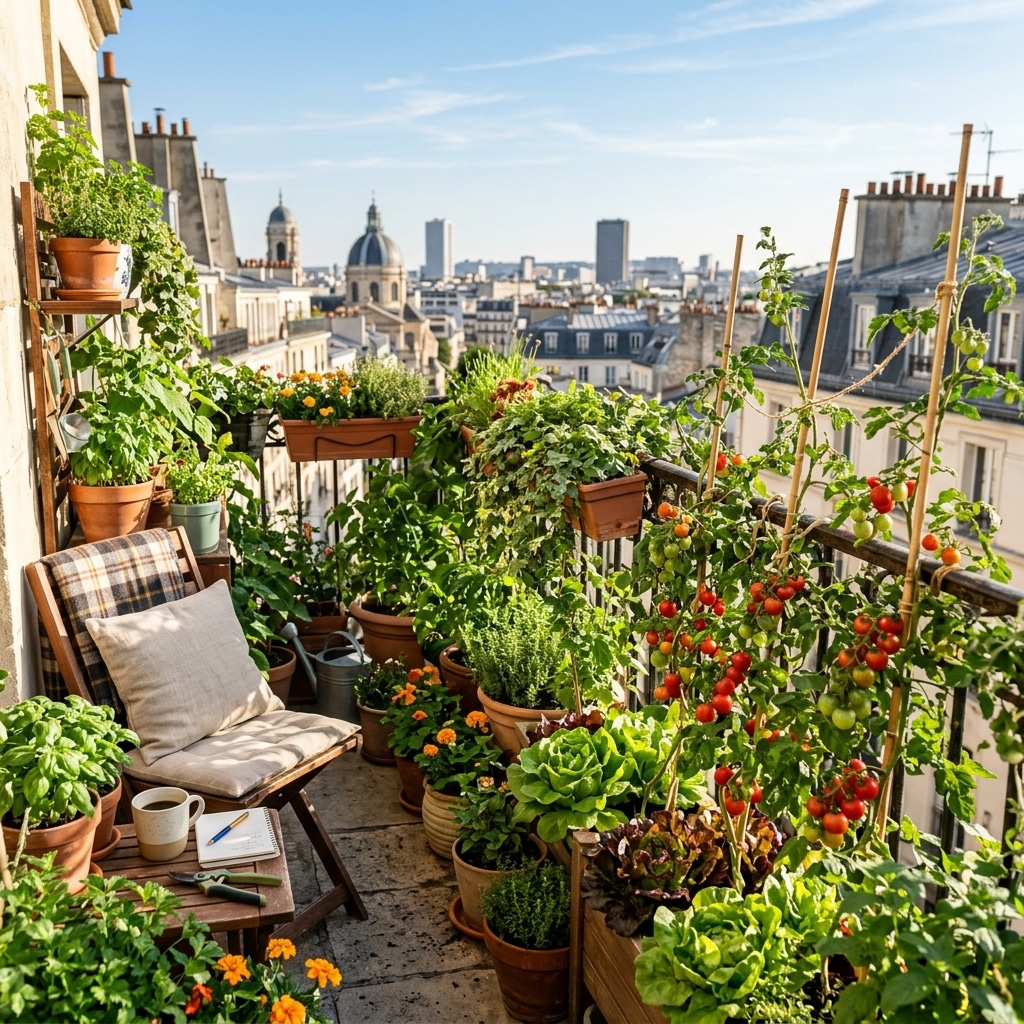
Who said you need a large garden to enjoy the pleasure of growing your own food? The reality is that a sunny balcony, a cozy terrace, or even a small patio can be transformed into a green oasis full of life and flavor. Growing in small spaces is not only possible but an incredibly rewarding experience that connects you with nature and allows you to savor fresh, organic produce directly from your “mini-garden.” If you dream of freshly cut salads, aromatic herbs at your fingertips, or cherry tomatoes bursting with sweetness, this guide is for you. Get ready to discover how to turn your balcony into a personal pantry.
Choose Your Ideal Location
The first crucial step is to evaluate your space. Observe your balcony carefully throughout the day. Sunlight is the secret ingredient for most vegetables and fruits. Most edible crops need at least 6 hours of direct sun a day to thrive, especially fruiting plants like tomatoes, peppers, or strawberries. Leafy greens like lettuce or spinach can tolerate some shade but will always benefit from a good dose of light.
Besides sun, consider protection. Is your balcony exposed to strong winds that could damage plants or knock over pots? Does it get excessive heat in summer or frost in winter? Planning the location and, if necessary, thinking about protective screens or moving plants during extreme conditions will save you a lot of headaches.

Containers and Potting Mix: The Foundation for Success
Types of Containers
The choice of containers is as varied as the plants you can grow. The most important thing is that they *always* have drainage holes. Excess water is the number one enemy of roots.
* Terracotta Pots: These are aesthetic and allow roots to breathe, but water evaporates faster, meaning you’ll need to water more frequently.
* Plastic Pots: They are lightweight, economical, and retain moisture well. They come in a wide variety of sizes and colors.
* Grow Bags: Made from breathable fabric, they are excellent for drainage and root aeration. Lightweight and easy to move, they are ideal for crops like potatoes or carrots.
* Planters and Raised Garden Beds: Perfect for optimizing space, allowing you to create a small ecosystem for various plants.
* Hanging Baskets: Ideal for aromatic herbs or strawberries, making use of vertical space.
Size matters: a cherry tomato will need a pot of at least 20 liters, while a lettuce or a bunch of herbs can happily grow in 5-10 liter pots.
The Perfect Potting Mix
Do not use garden soil directly in your pots; it’s too dense and lacks the aeration and drainage that container plants need. Invest in a good quality universal potting mix, specifically designed for pots. A good potting mix should be light, retain moisture but drain well, and provide initial nutrients. Look for mixes that contain:
* Peat or coco coir: For moisture retention.
* Perlite or vermiculite: For aeration and drainage.
* Compost or worm castings: For nutrients and microbial life.
A good mix is key for healthy roots and vigorous growth.
What to Grow on Your Balcony? The Smart Choice
Leafy Greens
These are perfect for beginners. They grow quickly, and many allow for “cut and come again” harvesting, meaning you can pick the outer leaves, and the plant will continue to produce.
* Lettuces (baby varieties), spinach, Swiss chard, arugula, kale: They require little space and don’t demand as much sun as others.
Aromatic Herbs
Essential in any kitchen and relatively easy to grow.
* Basil, parsley, cilantro, mint, rosemary, thyme, oregano: Many can grow in small pots and will provide you with fresh aroma and flavor all year round (depending on the climate).
Small Fruits and Fruiting Vegetables
This is where sunlight is most crucial.
* Cherry Tomatoes (dwarf or “patio” varieties): Look for varieties that don’t grow too tall and are suitable for pots. They will need good support.
* Strawberries: Perfect for hanging baskets or planters.
* Peppers (small varieties): Compact varieties also exist that adapt well to containers.
* Radishes and Carrots (short or “baby” varieties): Surprisingly easy to grow in deeper pots.
* Green Beans (bush varieties): They don’t need trellising and are very productive.
Planting and Caring: The Key Steps
Germination and Sowing
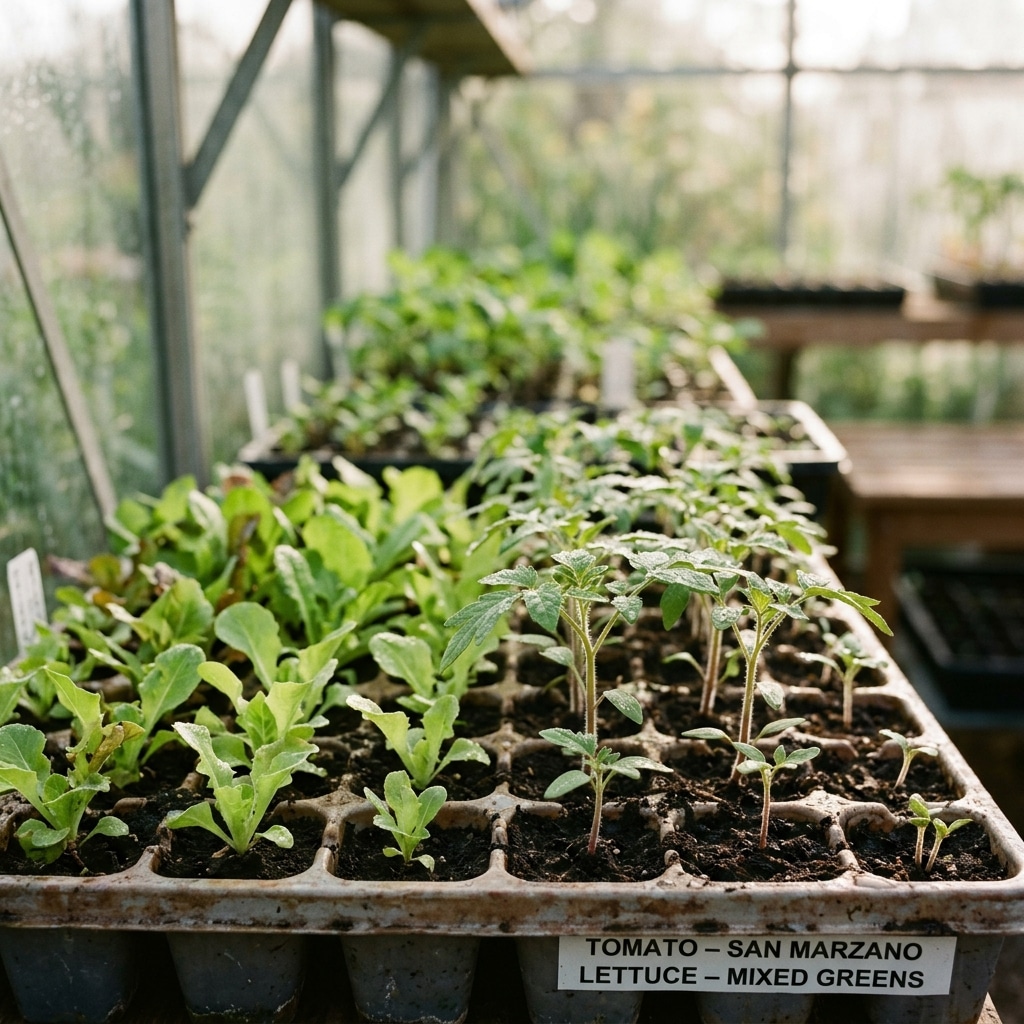
You can start from seeds or buy young seedlings. If starting with seeds, be sure to read the package instructions for planting depth and spacing. Plant them carefully in moist potting mix and cover lightly. If using seedlings, make a hole the size of the root ball, place it in, fill, and gently press. Water immediately.
Consistent and Adequate Watering
Watering is probably the most critical aspect of a balcony garden. Pots dry out much faster than garden soil.
* Frequency: In summer, you may need to water daily, even twice a day on the hottest days. In cooler periods, every two or three days might be enough.
* How to check: Insert your finger about 2-3 cm into the potting mix. If it feels dry, it’s time to water.
* How to water: Water generously until water drains from the bottom holes. Avoid wetting the leaves to prevent diseases, especially on sunny days (droplets can act as magnifying glasses and burn the plant).
Nutrition and Fertilizers
The potting mix in containers depletes its nutrients over time. Potted plants need an extra boost.
* Organic liquid fertilizer: This is an excellent option. You can apply it every 2-4 weeks during the growing season, following the manufacturer’s instructions.
* Compost or worm castings: Adding a layer to the surface of the pot periodically also nourishes the soil.
Pruning and Maintenance
A little regular attention can make a big difference.
* Pruning: Pinch the tips of herbs to encourage bushier growth. Remove yellow or diseased leaves. For tomatoes, remove “suckers” (axillary shoots) so the plant concentrates its energy on the fruits.
* Support: Fruiting plants, like tomatoes, will need stakes or cages to support their weight.
* Pests and Diseases: Inspect your plants regularly. If you see signs of pests (aphids, spider mites), act quickly. A simple spray with soapy water or neem oil is often effective for mild infestations.
Harvest and Enjoy
This is the most rewarding moment! Learn when and how to harvest each plant to maximize your production. Lettuces and spinach can be harvested leaf by leaf. Herbs are cut as needed. Tomatoes are picked when they are fully ripe and intensely colored.
Growing your own food on the balcony is a continuous learning journey. There will be successes and failures, but each is a lesson. Start small, experiment, and most importantly, enjoy the process of watching your own plants grow. The satisfaction of bringing a homegrown tomato or freshly cut basil leaves to your table is a priceless experience that will encourage you to keep exploring the wonders of urban gardening.