Plants, just like us, need nourishment to grow healthy, strong, and full of life. If you’ve ever read a fertilizer label, you’ve probably come across some mysterious initials: NPK. These letters represent the three main nutrients every plant needs to develop: nitrogen (N), phosphorus (P), and potassium (K).
These elements are naturally present in the soil, but when we grow in pots, urban gardens, or depleted soils, they often gradually deplete. That’s why it’s important to replenish them.
But… how do we do it in an environmentally friendly way?

In the world of conventional cultivation, it’s common to resort to synthetic fertilizers, which provide NPK quickly but also create soil imbalances, contaminate aquifers, and harm microbial life. Instead, from an ecological perspective, we propose a different way to care for your plants and nourish the soil with natural, sustainable, and homemade materials..
In this guide, we explain what NPK is, why it’s important for your plants, and how you can provide each nutrient ecologically, without resorting to industrial products. You’ll see that with organic waste, wild plants, and a little knowledge, you can bring life back to your soil and cultivate more consciously.
What is NPK?
NPK is the basic formula found in most fertilizers and manures, representing the three primary macronutrients that plants need in larger quantities to grow healthy and strong. These three elements form the basis of plant nutrition, and although each plant has different needs depending on its species and developmental stage, all depend to a greater or lesser extent on a good balance between them. NPK acts as “fuel” for the soil, allowing our plants to carry out essential processes such as photosynthesis, root growth, flowering, and fruit production.
When talking about ecological fertilization, it’s important to remember that it’s not simply about “feeding” the plant, but about caring for soil health, respecting its natural cycles, and fostering the microbial life that makes nutrient absorption possible. Regenerative agriculture, composting, and green manures are some practices that help us maintain this balance without depleting the ecosystem.
In this context, ecological NPK does not come from synthetic chemical compounds, but from natural sources such as composted manure, rock flours, plant extracts, worm castings, or homemade fermented solutions. These fertilizers not only provide nitrogen, phosphorus, and potassium but do so more gradually and sustainably, also feeding soil microorganisms. Thus, instead of forcing rapid growth, they support the healthy and resilient development of the plant over time.
How to obtain NPK from natural sources?
If we want to fertilize our plants ecologically, the first step is to know where we can obtain nitrogen, phosphorus, and potassium without resorting to chemical products. Fortunately, nature offers us many ways to replenish these nutrients using accessible, sustainable, and often readily available materials in our own homes.
Instead of applying NPK in isolation, ecological agriculture and gardening advocate for complete and balanced fertilizers, such as compost, plant liquid manures (purins), or worm castings. But if you ever need to reinforce a particular nutrient, you can also use specific sources for each of them.
Below, we provide a list of the most common natural sources for each macronutrient:
Natural Sources of Nitrogen (N)
Nitrogen is essential for boosting a plant’s vegetative development, stimulating the production of green leaves, strong stems, and rapid growth. Furthermore, it’s especially important in the initial stages of cultivation or for leafy plants like lettuce, spinach, or parsley.
This is mainly found in materials rich in proteins and fresh organic compounds, such as:
- Green kitchen scraps (fruit peels, husks, coffee grounds)
- Fresh or composted manure (especially chicken or rabbit)
- Nettle or comfrey liquid manure.
- Legumes and nitrogen-fixing crops (like clover or alfalfa)
And while it’s essential for promoting growth, we shouldn’t forget that providing it in excess can be detrimental, causing the plant to grow unbalanced, becoming more fragile and prone to diseases.
Natural Sources of Phosphorus (P)
Phosphorus is essential for the development of healthy, deep roots, flowering, and fruiting. It also participates in internal plant energy processes, such as photosynthesis and cell division. It’s especially important for plants just starting their development or for crops that produce flowers and fruits, like tomatoes, pumpkins, or fruit trees.
This macronutrient, unlike the previous one, is more easily found in materials of animal or mineral origin, such as:
- Bone meal.
- Wood ash (this also provides some potassium, but use very little as it is quite alkaline)
- Guano (dried seabird droppings, highly concentrated)
- Well-rotted compost with fruit and seed remains.
A phosphorus deficiency in our plants can result in slow growth, dark leaves, or difficulty in flowering.
Natural Sources of Potassium (K)
Potassium helps the plant regulate water balance, nutrient circulation, and the activation of enzymatic processes that strengthen our plants. Furthermore, it promotes the formation of tastier fruits, intensifies flower color, and improves tolerance to drought, cold, or certain diseases.
This can be found in:
- Wood ash (especially from fruit trees)
- Buried or dried and crushed banana peels.
- Comfrey or horsetail liquid manure.
- Molasses diluted in water (also providing minerals and sugars)
- Compost with ripe fruit and vegetable scraps.
When detecting potassium deficiency in our plants, we notice it in the appearance of burnt edges on leaves, premature wilting, or poor quality fruits.
How to apply NPK naturally to your plants?
Once we understand what NPK is, what it’s for, and how to obtain it from natural sources, comes the practical part: how to apply it to your garden or potted plants without resorting to chemical products.
The key is to understand your plants’ needs, the soil’s condition, and how to gradually release nutrients, respecting nature’s cycles. Unlike synthetic fertilizers, which act immediately but aggressively, ecological inputs work as “slow feeding,” more stable and beneficial in the long term.
Therefore, the most effective and sustainable methods for applying NPK naturally are:
1.- Mature compost: a balanced and complete NPK
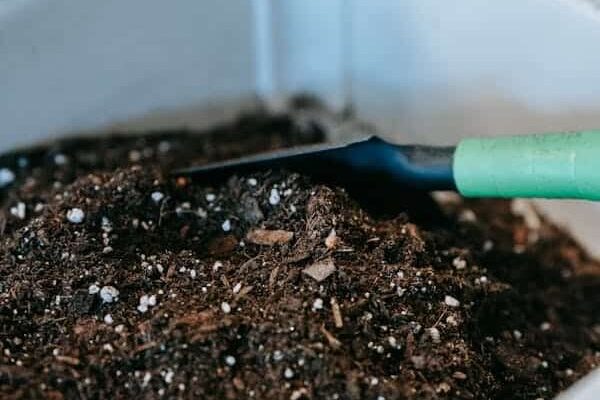
Homemade compost is one of the most complete and balanced natural fertilizers. Although its exact NPK content depends on the materials used, it typically provides a good base of nitrogen (especially if it includes green waste and manure), some phosphorus (through eggshells or crushed bones), and potassium (in fruit scraps and vegetable ash).
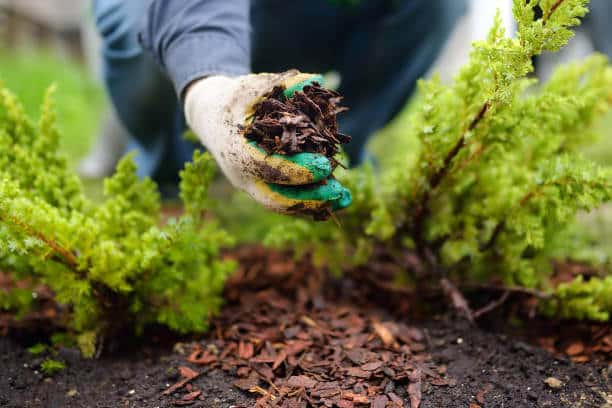
This can be applied directly to the soil or as a surface cover (mulching), thus promoting moisture retention and microbial life.
When and how to apply it:
- In spring and autumn, when preparing the substrate.
- Using it for maintenance. In this case, apply it once a month by spreading a thin layer over the soil.
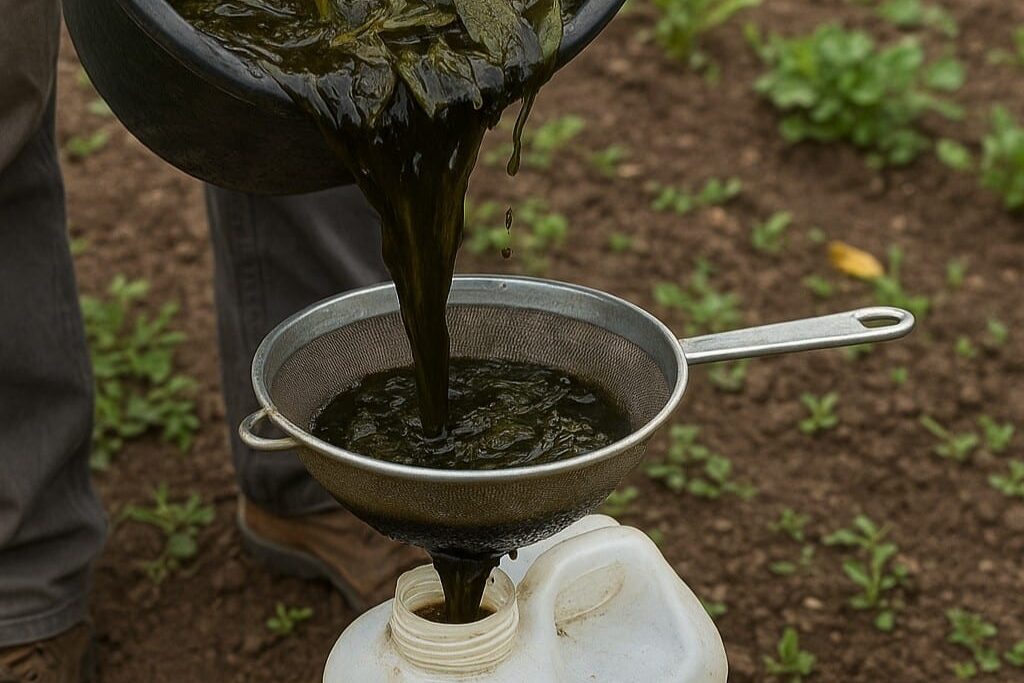
2.- Liquid Manures (Purins) and Fermented Extracts: rapid and natural absorption
Plant liquid manures (purins) and fermented extracts are some of the most effective and natural ways to provide nutrients to our plants, especially when seeking a quicker effect. These are made from fresh plants fermented in water for several days, which allows them to release the beneficial minerals and compounds they contain.
Besides being an excellent source of NPK, they provide enzymes, organic acids, and beneficial microorganisms, improving soil health and strengthening the plants’ natural defenses. They are also very useful for boosting growth at key moments like flowering or fruiting.
When and how to apply it:
- Diluted as fertilizer (1:10), apply directly to the substrate.
- Sprayed on leaves, diluted to 5% (1:20)
- Boost at key moments (after transplanting, during active growth, or if deficiencies are detected)
3.- Mulching with plant remains and composted manure
Covering the soil with nutrient-rich materials is another way to naturally feed our plants. Organic mulching (with dry leaves, straw, compost, banana peels, or kitchen scraps) gradually decomposes, releasing NPK. It also protects the soil from the sun, maintains moisture, and promotes biodiversity.
When and how to apply it:
- Throughout the year, especially for long-cycle crops.
- Renew or add more layer every 2-3 weeks.
4.- Meals and mineral powders
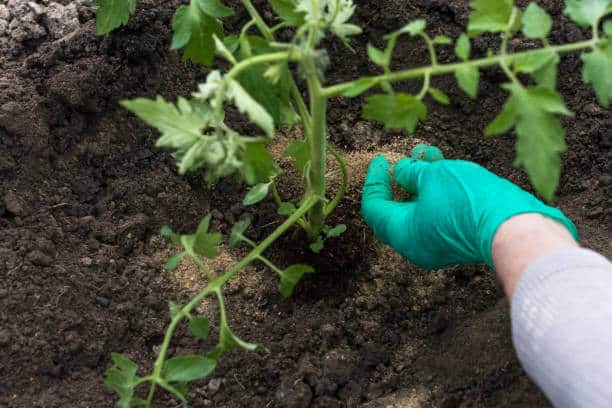
Certain natural ingredients, such as bone meal (phosphorus), blood meal (nitrogen), wood ash (potassium), or rock dust, can be added to the soil as concentrated, slow-release amendments. They are ideal for preparing the substrate at the start of cultivation or for reinforcing specific areas.
When and how to apply it:
- Mixed with the substrate before sowing or transplanting.
- On the surface, lightly raking for incorporation.
5.- Crop rotation and association with nitrogen-fixing plants
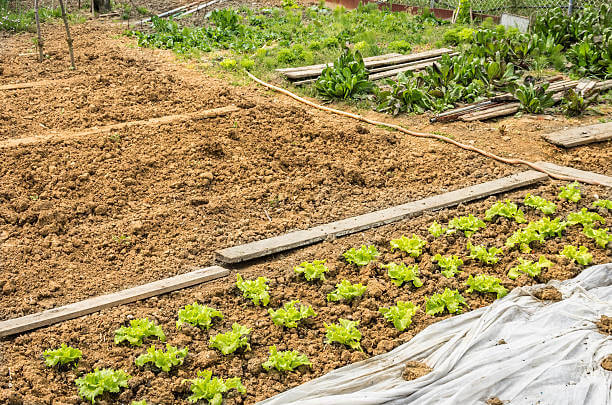
Another method to obtain NPK naturally is through crop rotation and association with soil-improving plants. Legumes, for example, fix atmospheric nitrogen in the soil, leaving a fertile base for the next crop. We can also sow green manures (like clover, vetch, or mustard), cut them before flowering, and incorporate them into the soil as organic matter rich in NPK.
- Between seasons, letting the soil rest with a “green crop.”
- As part of a rotational design in raised beds or large pots.
Homemade Organic Fertilizers
In addition to the mentioned sources, you can create your own fertilizers at home with simple ingredients:
- Banana Tea (Potassium): Boil banana peels in water for 15 minutes. Let it cool, strain, and dilute with more water to water your plants, especially during flowering season.
- Eggshells (Calcium): Crush dried eggshells into a powder and mix them with the soil. They provide calcium and help prevent blossom end rot in tomatoes.
- Coffee Grounds (Nitrogen): Coffee residues are an excellent source of nitrogen. Mix them directly with the substrate or add them to compost to improve soil structure.
Important Precautions
- Do not overfeed your plants; even natural fertilizers can cause damage if applied in excess.
- Observe the signals from the soil and plants. Before adding nutrients, observe the overall appearance: yellow leaves, small flowers, or scarce fruits can indicate specific deficiencies, but they can also be due to other factors such as watering or sun exposure. Learn to identify these symptoms to act with greater precision.
- Avoid applying fertilizers just before heavy rains; nutrients are likely to be washed away, getting lost before the plant can absorb them.
- Respect decomposition times. Some ingredients, such as fresh manure or certain kitchen scraps, need time to decompose properly before their nutrients become available and don’t cause harm.
- Less is more. In ecological fertilization, a small, well-applied dose can be much more effective than large quantities. It’s always better to start with a little, observe how your plants respond, and adjust according to their real needs.
To make it easier for you to provide NPK naturally to your plants, below we’ve compiled a selection of recommended products where you can obtain these nutrients:
🌾 Alfalfa Seeds
A basic for improving soil, fixing nitrogen, and growing vitamin-rich sprouts.
🦴 Bone Meal
Provides essential phosphorus and calcium, enhancing root development and flowering in your plants.
🍯 Cane Molasses
A basic for naturally nourishing and activating the soil, providing energy and nutrients to your plants.