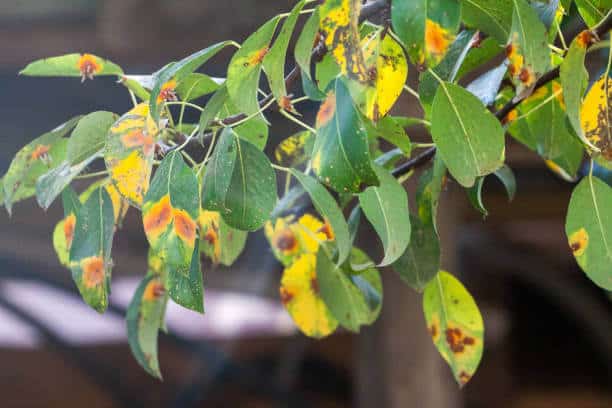
Rust (Puccinia graminis) is one of the most common and most underestimated enemies in our vegetable gardens and gardens. This pathogen is easily recognizable thanks to its yellow, orange, or reddish spots that appear on the leaves of our plants.
This fungus can spread rapidly if not detected in time, weakening our plants and reducing their ability to grow and produce fruit. Although it often goes unnoticed in its early stages, acting quickly and knowledgeably will be our ally in ensuring a healthy harvest instead of diseased plants. Stay tuned and learn more about how to detect and combat it!
How to identify rust?
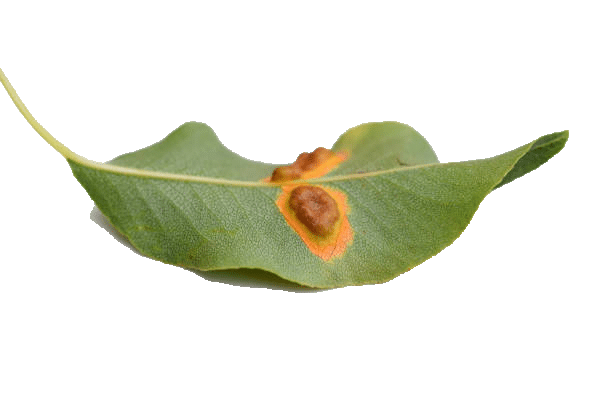
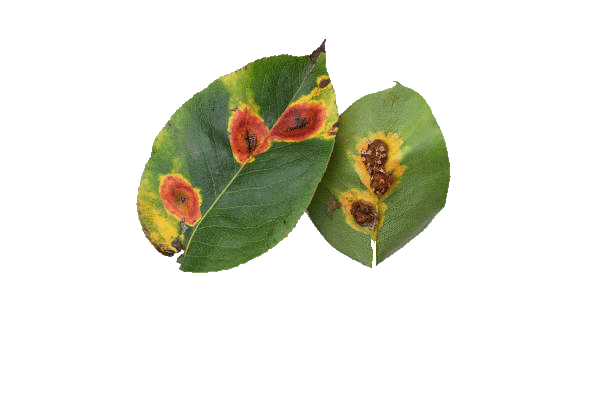
One of the most noticeable characteristics of this fungus is the appearance of small pustules of yellow, orange, or brown color on the underside of the leaves. These pustules are the spores of the fungus, and as the disease progresses, they can cover large areas of our plants.
Other symptoms to consider when identifying this disease include the appearance of round and irregular spots in warm colors on the leaves, the presence of rust-colored powder when touching these spots, and, in advanced stages, premature leaf drop and general weakening of the plant.
In addition to recognizing its visual symptoms, it’s important to understand the conditions in which it thrives. Rust flourishes in humid environments with mild temperatures, making it a frequent visitor during spring and autumn. Therefore, during these seasons, it’s advisable to be especially attentive to any signs on the leaves, as the conditions are ideal for its appearance and spread.
What causes rust on our plants?
Rust is caused by various types of fungi from the order Pucciniales, which affect a wide variety of plants, from trees and agricultural crops to ornamental or wild plants.
These fungi spread through microscopic spores that travel through the air or water and find the perfect place to germinate on wet leaves. Once established in the plant, the spores penetrate the plant tissues and begin to develop, forming visible pustules and feeding on nutrients. This process weakens the plant, reducing its photosynthetic capacity, affecting its growth, and, in severe cases, compromising its survival.
Factors such as excessive watering, lack of ventilation between plants, or the use of overhead watering systems create an ideal environment for rust to develop and spread rapidly.
When plants are too close together, air circulates with difficulty, preventing moisture from evaporating efficiently. This humid and stagnant environment becomes the perfect breeding ground for fungi. Furthermore, the presence of decomposing plant debris or organic matter accumulated at the base of the plants can retain even more moisture, fueling the infection cycle. Together, all these elements create a microclimate conducive for spores to germinate, infect leaves, and lead to the characteristic symptoms of rust.
How to prevent this fungus?
Preventing the appearance of rust is much easier, and less costly, than treating it once it has settled on our plants. To do this, it is essential to create an environment where the fungus cannot thrive. Here are some tips to reduce the chances of infection:
- Promote ventilation: Avoid planting too closely together; good spacing between crops allows for proper air circulation, which will help keep leaves dry and thus hinder the development of fungi.
- Control watering: Water directly at the base of your plants, avoiding wetting the leaves. Drip irrigation is a very good option for maintaining controlled humidity without creating a favorable environment for the fungus.
- Choose the right time to water: Taking advantage of the early morning hours is the perfect time, as if any leaf accidentally gets wet, it will have enough time to dry throughout the day. This way, we won’t create humid environments where the fungus can develop.
- Keep the garden clean: Remove fallen leaves, remnants of previous harvests, or dead plants, as they can harbor fungal spores and facilitate new outbreaks.
- Monitor environmental conditions: During wetter seasons, such as spring or autumn, check your plants more frequently. Detecting the first signs in time is key to preventing the fungus from spreading.


What to do if rust has already appeared?
If you’ve detected that rust has already made an appearance in your garden, don’t worry, you can still take effective measures by focusing on ecological solutions that will allow you to maintain a healthy garden without compromising the environment.
- Remove infected leaves. If you’ve already noticed rust spots on some leaves, it’s best to remove them to prevent the fungus from spreading. Be sure to dispose of them properly and never add them to compost or bokashi, as this could disperse spores and expand the infection.
- Improve ventilation and reduce humidity. As we’ve already mentioned, this step is very important when preventing the development of this fungus. However, if you’ve already detected an infection, once the affected leaves have been removed, evaluate your garden’s design. Correcting these factors will help prevent the fungus from continuing to develop.
- Strengthen soil health. Healthy soil is the foundation for stronger, more resistant plants. Provide well-decomposed compost, worm castings, or natural ferments rich in beneficial microorganisms that help balance the soil’s microbial ecosystem. A balanced environment makes it difficult for pathogens like rust to proliferate.
- Companion planting with beneficial plants. Incorporate plants that help regulate humidity and attract beneficial insects, such as marigold or borage. You can also plant species with natural antifungal properties, such as thyme, near affected areas.
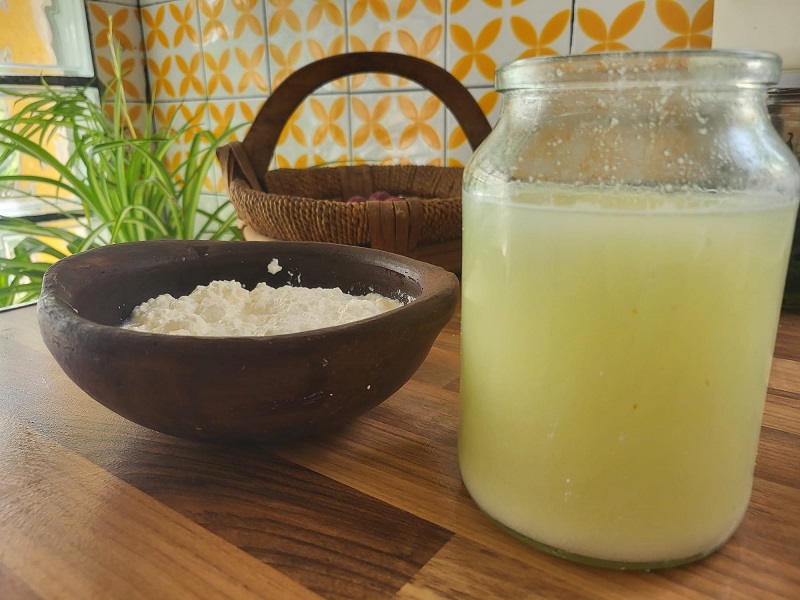
- Spray leaves with LAB. LAB doesn’t kill the fungus, but it reproduces so rapidly that it creates a film on the leaves, making it difficult for spores to settle.
- For severe cases, use a preparation with potassium soap and Neem oil. Keep in mind that this is a biocide, and no matter how ecological it’s considered, it kills many useful species. Therefore, we only apply it to trees without blossoms, as there will be less life on them at that time. Always use it carefully and with the understanding that you might cause harm to the environment.
In conclusion, constant observation, active prevention, and a conscious response when a problem arises are our best tools to protect our plants without resorting to aggressive solutions. By choosing sustainable paths, we strengthen not only the health of our crops but also that of the surrounding ecosystem, creating a stronger, more balanced, and vibrant garden.
Nevertheless, here are some recommendations that we think might be useful when dealing with this fungus:
🌱 Borage Seeds
A basic for attracting bees, enhancing biodiversity, and enjoying edible flowers and leaves.
🌱 Thyme Seeds
Easy to sow, ideal for cooking, attracting pollinators, and protecting your crops.