In the world of organic gardening, it’s common to hear that certain products like neem oil or potassium soap are “organic” insecticides, safe and environmentally friendly. But is this really true?
In this post, we want to tell you how they really work, what benefits they offer, but also their limits and risks, especially when it comes to their impact on life as a whole.
What are Neem Oil and Potassium Soap?
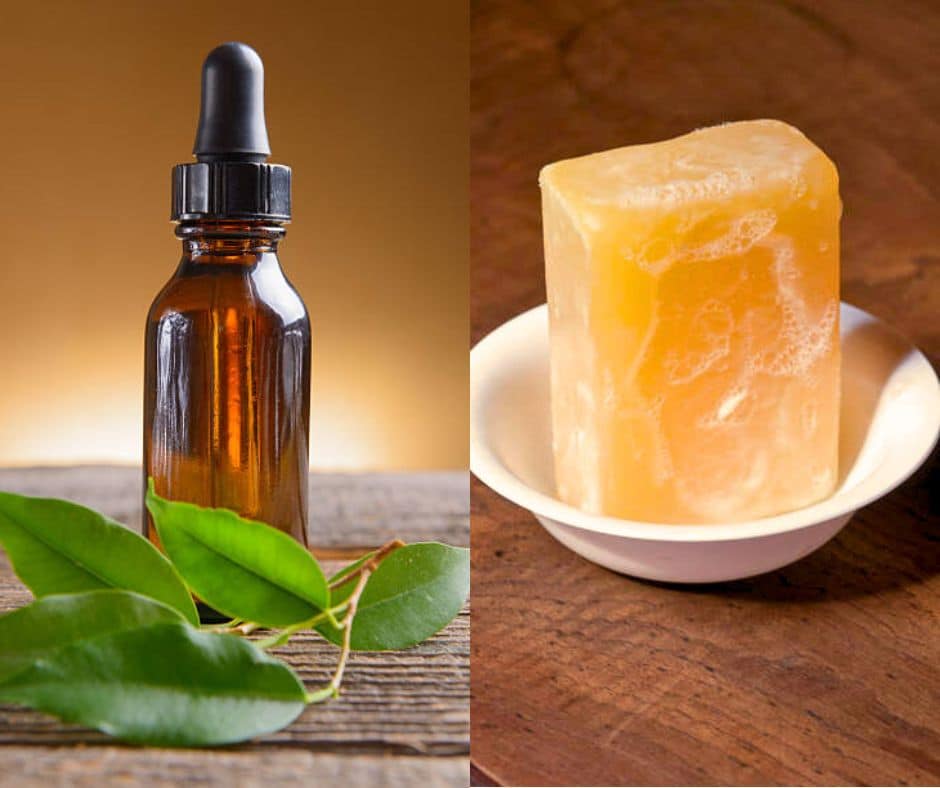
Neem Oil is an insecticide, classified as natural, extracted from the seeds of the neem tree (Azadirachta indica), native to India. This oil contains active compounds like azadirachtin, which interfere with the life cycle of insects, affecting their feeding, reproduction, and development.
Potassium soap, for its part, is a gentle soap made from vegetable fatty acids and potash (potassium hydroxide). It acts on contact, softening the protective coverings of many insects, leading to their death by dehydration.
Both, whether used together or separately, are widely employed as organic solutions for common pest control in gardens and vegetable patches. But…
Are They Really Organic?
Although they are considered “organic” due to their plant origin, it’s important to understand that their action is biocidal, meaning they kill living organisms. In this case, insects, mites, and other small organisms, without distinguishing between pests or beneficial species like bees, ladybugs, and other pollinators.
Therefore, it’s more appropriate to refer to them as organic biocides – products that, while not posing a risk to human or pet health, do alter biodiversity if not applied carefully. Their continuous or indiscriminate use can create persistent imbalances and reduce the natural resilience of the ecosystem.
What Are They Used For?
Popularized as “natural” insecticides due to their effectiveness against multiple common pests in gardens and vegetable patches, these are used as tools for biological control, especially when we seek to avoid the use of synthetic pesticides.
And while they are very effective in combating soft-bodied insects like aphids, mealybugs, whiteflies, spider mites, thrips, etc., they are also effective at eliminating beneficial fauna. Therefore, we only recommend their use in severe cases.
In our experience, it’s best to apply them to trees without blossoms, as there will be less wildlife present at that time. Their use must be done with discernment, knowledge, and moderation. It’s not about replacing one chemical poison with a more “natural” one, but rather using these tools as a temporary support, within a broader strategy that prioritizes biodiversity and prevention.
What Happens if They Are Used in Excess?
Like everything in life, these products must also be used with moderation. In the case of neem oil and potassium soap, applying frequent doses or without discernment can end up disrupting the natural balance of our garden. As we have already mentioned, by acting as biocides, they not only eliminate the target pest but also many of its natural predators, which ultimately weakens the ecological network that naturally keeps these problems in check, thus allowing pests to reappear with more vigor and fewer obstacles.
Using these products long-term creates a dependency on external solutions. That is, by eliminating our garden’s natural allies, we turn it into a more vulnerable space, requiring our continuous vigilance and more repeated treatments to stay healthy. Far from solving the problem at its root, we perpetuate it.
Therefore, we must always keep in mind that neem oil and potassium soap can be useful allies within an organic pest management strategy, but they are not harmless. Their use must be guided by knowledge, observation, and respect for the biodiversity that sustains our garden.
As a recommendation, we believe that instead of seeking quick fixes, we should foster living, balanced systems that, over time, require less and less intervention and offer us much more than just a harvest. And in the case of specific pests, and whenever we see that the natural predators of the pest are not yet active, apply biological control.
Now, if you decide to try these insecticides, or if you prefer to encourage the appearance of natural predators, here is a selection of products that we believe might be useful to you:
🪔 Neem Oil
Helps prevent pests and cares for your crops without chemicals. Ideal for organic gardens and easy to apply.
🧼 Potassium Soap
Cleans and protects your plants against insects and fungi. Suitable for organic gardens and for combining with other treatments.
🐛 Insect Hotel
Attracts beneficial fauna to your garden, promotes biodiversity, and naturally protects your crops.