Have you ever wondered what happens to all those potato peels, lettuce scraps, and coffee grounds you throw in the trash? You’re actually tossing away black gold for your plants! Making homemade compost is the easiest, cheapest, and most ecological way to give back to the earth what it gives us, transforming organic waste into the best fertilizer in the world.
In this guide, I’m going to show you how to set up your own composter at home, whether you live in an apartment with a balcony or have a huge garden, completely odor-free and foolproof.
What is Compost and Why Should You Start Today?
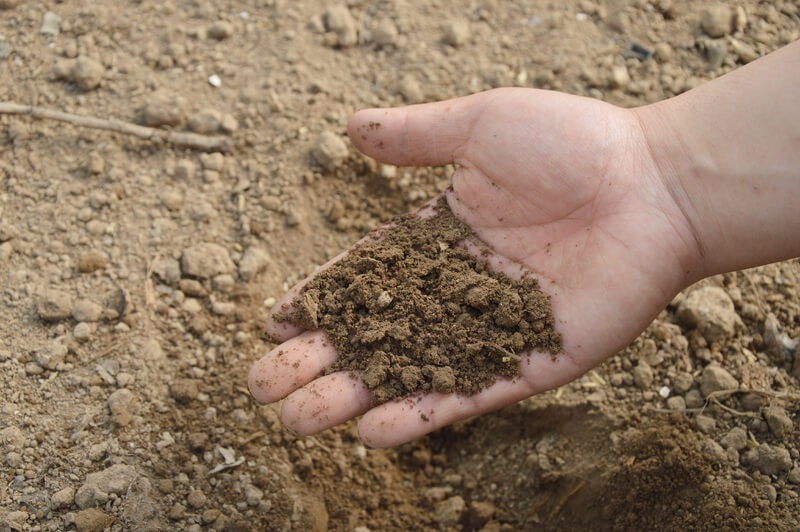
Compost is the result of the controlled decomposition of organic matter by decomposer organisms (bacteria, fungi) and small animals (worms, insects). It’s not just dirt; it’s a concentrated organic fertilizer packed with nutrients.

Benefits of Composting at Home:
- Save Money: Forget about buying bags of potting mix or chemical fertilizers.
- Reduce Waste: Almost 40% of your household trash bag is compostable material. You’ll drastically reduce your carbon footprint.
- Healthy Plants: Compost improves soil structure, retains moisture better, and prevents root diseases.
Materials Needed: What Can You Compost and What Can’t You?
This is where most beginners stumble. For your compost to not smell bad and decompose quickly, you need a balance between Nitrogen (Greens) and Carbon (Browns).
✅ “Greens” (Rich in Nitrogen / Moist):
- Fruit and vegetable scraps.
- Coffee grounds and tea bags (without staple).
- Fresh pruning waste and freshly cut grass.
- Wilted flowers.
✅ “Browns” (Rich in Carbon / Dry):
- Dry leaves and twigs.
- Cardboard (without glossy inks) and shredded paper egg cartons.
- Paper towels (if not oily).
- Straw or natural wood sawdust.
❌ What You Should NEVER Add (Risk of odors and pests):
- Meat, fish, or bone scraps.
- Dairy products (cheese, milk, yogurt).
- Dog or cat feces.
- Diseased or pest-infested plants.
- Oils or greases.
Step-by-Step: How to Create Your Own Compost Pile
You don’t need high-tech machinery. You can use a garden composter, a recycled barrel, or even a wooden crate.
1. Prepare the Base (Drainage)
Place a 10-15 cm (4-6 inch) layer of thick branches or straw at the bottom of your composter. This allows air to circulate from below and excess water to drain, preventing the mixture from rotting.
2. Alternate Layers: The Secret to Success
The ideal technique is like making a lasagna:
- Add a layer of browns (dry).
- Add a layer of greens (moist).
- Mix lightly. Remember, the ideal ratio is 2 parts browns to 1 part greens.
3. Maintain Moisture
Your compost pile should be like a wrung-out sponge: moist to the touch but not dripping. If it’s too dry, add a little water. If it’s too wet, add cardboard or dry straw.
4. Aeration: Don’t Forget to Turn It!
Every 15 days, turn your compost with a pitchfork or a stick. Air is the “fuel” for bacteria. Without air, the process becomes anaerobic, and that’s when bad odors appear.
Troubleshooting: Why Does My Compost Smell Bad?
Composting should not smell bad. If you notice a rotten or ammonia smell, something is wrong:
- Smells rotten: Too much moisture or lack of air. Solution: Add dry materials (cardboard, leaves) and turn vigorously.
- Smells like ammonia: Too much nitrogen (lots of grass clippings or green waste). Solution: Add more brown material.
- Lots of fruit flies: Fruit scraps are too exposed. Solution: Always cover the top layer with a little soil or a thick layer of dry leaves.
Frequently Asked Questions about Composting (FAQ)
How long does compost take to be ready?
It depends on the temperature and how often you turn it. In summer, it can be ready in 3 months; in winter, it might take 6 to 9 months.
Can I compost in an apartment without a garden?
Yes! For that, there’s Vermicomposting (with red wiggler worms) or the Bokashi method (Japanese fermentation). These are sealed systems ideal for indoors.
Do I need to buy compost accelerators?
It’s not necessary. The soil already has the necessary bacteria. If you want to speed it up, add a little pre-made compost or a handful of forest soil.
Composting Recommendation: If you’re looking for an efficient and durable composter, I recommend this VOUNOT Garden Composter.
Recommended Seeds: To get the best results in your garden, use this Organic Seed Kit.
Related: 5 Homemade Organic Fertilizers You Already Have in Your Kitchen