Bokashi is a fermented organic fertilizer that transforms kitchen scraps into a living soil enhancer, brimming with beneficial microorganisms. Unlike traditional compost, the process is faster, virtually odorless, and better preserves nutrients for your plants.
This fermented preparation, originating from Japan, speeds up the decomposition of organic matter thanks to the action of effective microorganisms (EM), improving soil structure, biodiversity, and the health of your plants. It’s faster, can be prepared in small spaces, and is especially suited for those who want a more fertile garden without resorting to industrial products.
In this post, we’ll explain how to make it step-by-step, using accessible materials and from a 100% sustainable perspective.

What is Bokashi?
Bokashi is a fermented organic fertilizer stemming from a Japanese technique inspired by the principles of natural farming. Unlike traditional compost, it’s made through an anaerobic fermentation process, which allows for better nutrient retention and multiplies the presence of beneficial microorganisms in the soil.
Its main advantage is that it’s quick to prepare, rich in microbial life, excellent for regenerating soil, improving water retention, and strengthening plants’ immune systems. Furthermore, its preparation process doesn’t produce bad odors and allows for the reuse of organic scraps that would normally end up in the trash.
Uses of Bokashi
This preparation is a true ally for any garden or allotment committed to natural and regenerative practices. Thanks to its richness in nutrients and living microorganisms, it has multiple uses that can make a big difference in the health of your plants and soil:
- Fertilizer for all types of crops: You can apply it directly to the soil to feed your plants in a balanced way. It’s ideal for vegetables, fruit trees, aromatic plants, or flowers.
- Soil Revitalizer: If you have depleted soil or soil with little life, Bokashi helps regenerate it, increasing its fertility, structure, and water retention capacity.
- Compost Accelerator: If you mix it with your homemade compost, it speeds up the decomposition process and improves the final quality of the fertilizer.
- Transplant Booster: Adding a little Bokashi to the planting hole helps roots adapt better and experience less stress.
- Odor Corrector for Organic Waste: By fermenting organic matter, Bokashi reduces bad odors, making it very useful for those who compost at home.
How to Prepare It
Preparing Bokashi at home is easier than it seems; we just need to gather some organic materials, have patience, and let the microorganisms do their work. As we’ve already mentioned, the process is based on anaerobic fermentation, meaning without oxygen, which allows organic waste to transform into a rich, balanced, and vibrant fertilizer in just a few weeks.
Below, we’ll tell you what you need and how to do it step-by-step so you can start your homemade Bokashi today:
Basic Ingredients
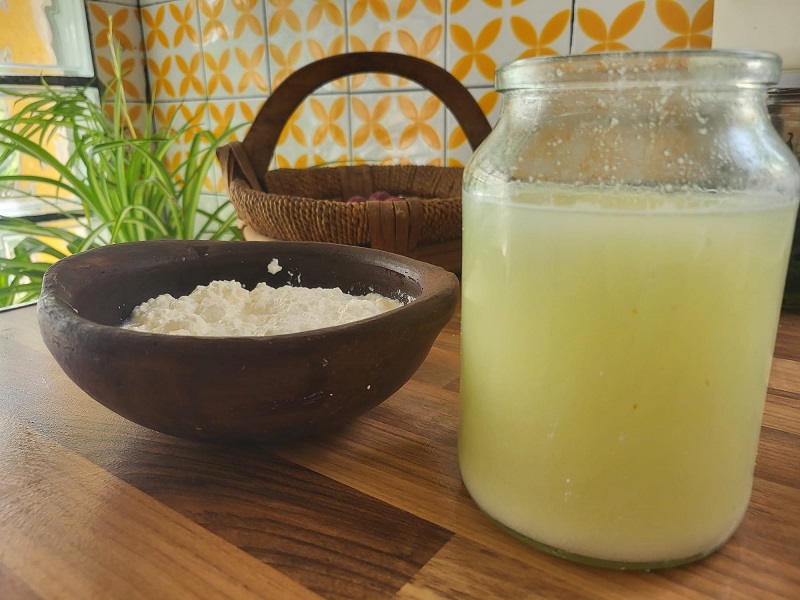
- Rice or wheat bran (dry, carbon-rich base)
- Cane molasses (food for microorganisms)
- Non-chlorinated water (preferably rainwater or water left to sit for 24h)
- Effective Microorganisms (EM) or natural ferment (unpasteurized whey, unsweetened natural yogurt, or rice ferment)
- Shredded organic scraps (fruit peels, vegetables, coffee grounds, tea leaves, etc.)
- Optional: rock dust, wood ash, or charcoal (recommended, as they provide minerals)
Materials
- Large container (either a plastic box with a lid, a bin, or a bucket)
- Shovel or your hands (for mixing)
- Cloth or plastic sheet (to cover the container if it doesn’t have a lid)
- Gloves (optional)
Step by Step
1º Prepare the microorganism activator liquid: Mix 1 part molasses, 1 part EM or natural ferment, and 10 parts non-chlorinated water in a bottle. Stir well and let it rest for 10 minutes.
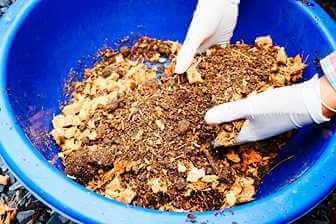
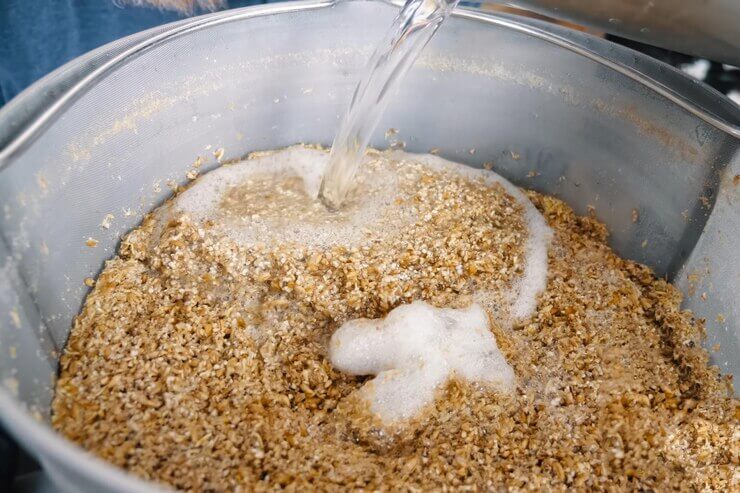
2º Make the dry mix: In the large container you’ve chosen, place 10 parts bran and 2 parts shredded organic scraps. If you also want your Bokashi to provide minerals, add 1 part ash or rock dust at this step. Mix everything until it’s evenly distributed.
3º Add the activator: Gradually add it to the dry mix while continuously stirring. The ideal texture should be similar to a damp sponge, which you can squeeze in your hand and it stays together without dripping water.
4º Fermentation: Cover the container well, preventing air entry. If you’re using a box without an airtight lid, you can cover it with a damp cloth or plastic sheet. Store the Bokashi in a dark, warm place (20-30 ºC).
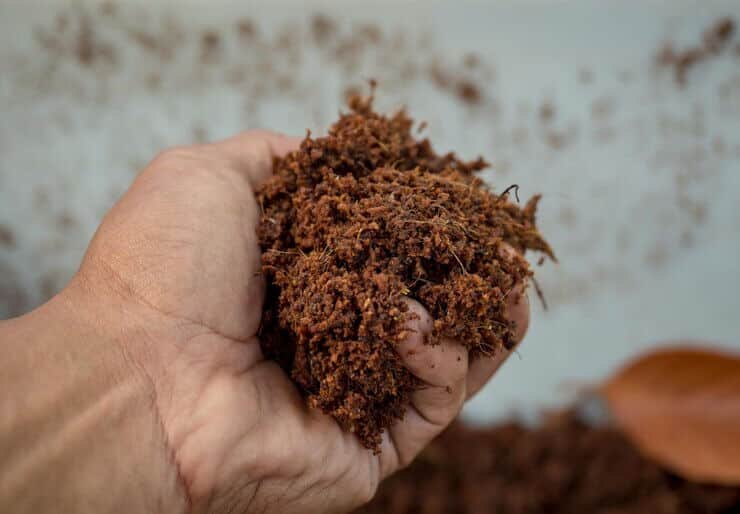
5º Wait and check: Over the next 7 – 14 days, stir the mixture once a day to lightly oxygenate it. Watch out for any bad smell (if it smells rotten, discard the Bokashi and start a new batch); it should smell slightly sweet or fermented, like bread or yeast. When the smell is pleasant, the texture is firm, and it doesn’t feel hot to the touch, your Bokashi is ready to use!

Storage
Once the fermentation process is complete, and the Bokashi has a sweet or slightly acidic aroma, similar to yeast or damp earth, it’s important to store it correctly to maintain its properties until use.
To keep it in good condition:
- Store it in an airtight container or a tightly sealed bag to prevent excessive oxygen entry and restart fermentation. The Bokashi shouldn’t dry out completely, but it also shouldn’t get wet again.
- Keep it in a cool, dry place, protected from direct sunlight. Extreme temperatures or sun exposure can alter its microbial balance.
- Avoid storing it for long periods. Ideally, use it within 2-4 weeks after preparation, though it can last up to two months if stored properly.
If you notice an unpleasant change in its smell or the appearance of dark or greenish mold, it’s best not to use it.
How to Apply Bokashi
Bokashi is very versatile and can adapt to different timings and types of crops. The important thing is to use an adequate amount and mix it well with the soil to maximize its benefits. Below, we explain how to apply it depending on your objective:
To prepare the soil before planting
Incorporate between 1 and 2 kilograms of Bokashi per square meter of land. Mix it well with the topsoil layer about 10-15 days before planting so that microorganisms can activate and improve the soil’s structure and fertility.
To feed already planted plants
You can apply small amounts (around 1 or 2 handfuls per plant, or 200 grams per m²) around the base, ensuring it doesn’t directly touch the stem. Then, lightly cover it with soil and water to help the nutrients integrate.
In urban gardens or pots
In small spaces, one tablespoon per plant every 15 days will suffice. Gently incorporate it into the soil and water as usual. You’ll notice an improvement in the color, vigor, and productivity of your plants.
To regenerate depleted soils
In highly degraded soils, you can apply more generous amounts (up to 3 kg per square meter) and repeat the process every few weeks. This will help restore soil life progressively and naturally.
Remember that Bokashi doesn’t burn roots like chemical fertilizers, but using it in excess isn’t necessary either. Less is more, especially when we’re talking about living soils.
Below, we’ve compiled a selection of products that can make your work easier if you decide to prepare Bokashi at home:
🌾 Wheat Bran
A staple for boosting the creation of Bokashi, compost, or fermented preparations. Rich in nutrients and easy to use.
🦠 Effective Microorganisms
Ideal for improving soil health, activating composting, and strengthening your plants naturally.
🪨 Rock Dust
Remineralizes, improves, and provides nutrients to the soil structure naturally long-term.
Frequently Asked Questions About Bokashi
What exactly is Bokashi?
Bokashi is a method of fermenting organic waste with effective microorganisms that produces a highly concentrated fertilizer for the garden. It is done in a closed container and, once finished, is incorporated directly into the soil or pots.
How does Bokashi differ from traditional compost?
Compost is an aerobic decomposition process, while Bokashi is an anaerobic fermentation. With Bokashi, less carbon and nitrogen are lost, the process is faster, and the resulting material integrates into the soil more quickly.
Can Bokashi be used in pots and urban gardens?
Yes, Bokashi works very well in pots, raised beds, and urban gardens because it provides microorganisms and nutrients without needing large volumes of soil. You just need to mix it with the substrate and let it rest for a few days before planting.
{
“@context”: “https://schema.org”,
“@type”: “FAQPage”,
“mainEntity”: [
{
“@type”: “Question”,
“name”: “What exactly is Bokashi?”,
“acceptedAnswer”: {
“@type”: “Answer”,
“text”: “Bokashi is a method of fermenting organic waste with effective microorganisms that produces a highly concentrated fertilizer for the garden. It is made in a closed container and, once finished, is incorporated directly into the soil or pots.”
}
},
{
“@type”: “Question”,
“name”: “How does Bokashi differ from traditional compost?”,
“acceptedAnswer”: {
“@type”: “Answer”,
“text”: “Compost is an aerobic decomposition process, while Bokashi is an anaerobic fermentation. With Bokashi, less carbon and nitrogen are lost, the process is faster, and the resulting material integrates into the soil more quickly.”
}
},
{
“@type”: “Question”,
“name”: “Can Bokashi be used in pots and urban gardens?”,
“acceptedAnswer”: {
“@type”: “Answer”,
“text”: “Yes, Bokashi works very well in pots, raised beds, and urban gardens because it provides microorganisms and nutrients without needing large volumes of soil. You just need to mix it with the substrate and let it rest for a few days before planting.”
}
},
{
“@type”: “Question”,
“name”: “How often can I apply Bokashi to my plants?”,
“acceptedAnswer”: {
“@type”: “Answer”,
“text”: “Generally, one application every 4-6 weeks during the growing season is usually enough to notice improved vigor and production. For small pots, it’s advisable to use moderate doses to avoid saturating the substrate.”
}
}
]
}
How often can I apply Bokashi to my plants?
Generally, one application every 4–6 weeks during the growing season is usually enough to notice improved vigor and production. For small pots, it’s advisable to use moderate doses to avoid saturating the substrate.Your Attractive Heading