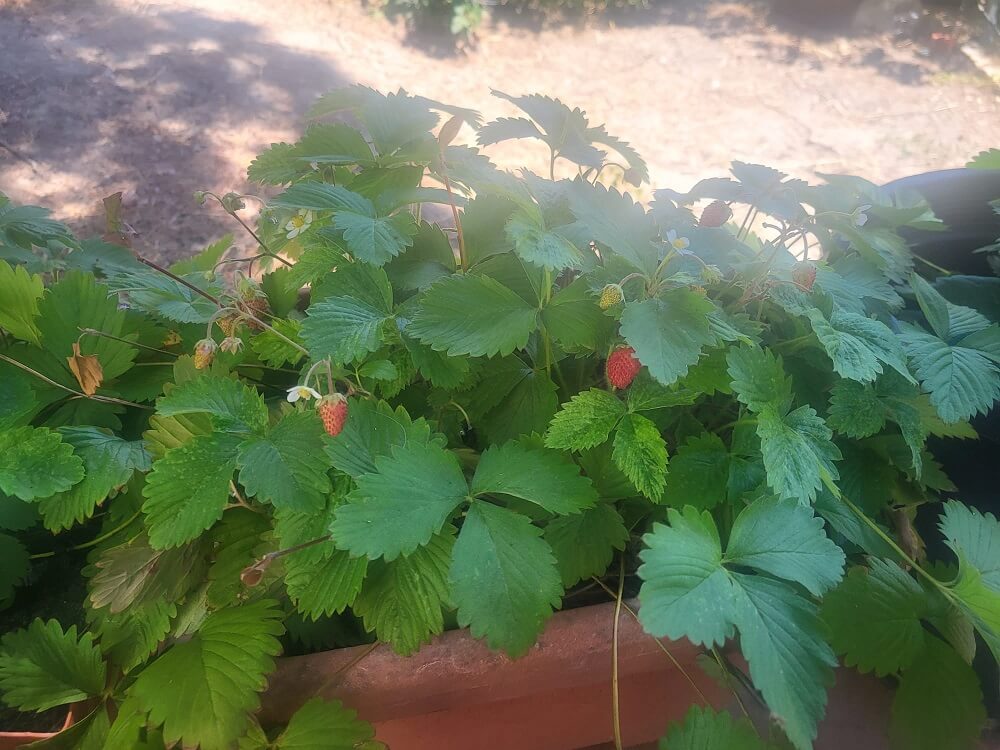
Wild Strawberries have numerous advantages when it comes to having them in our garden, rather than the common strawberries or garden strawberries that we usually find in nurseries. We started with nursery-grown strawberries, but little by little, we are replacing them with wild strawberries.
The most wonderful thing about these types of strawberries is that they bear fruit almost all year round, except for the harshest winter days.
It can be a bit challenging to germinate them and find their ideal spot in your vegetable garden, garden, or patio, but with these simple tricks, you’ll see it’s very easy.
Constant but moderate watering. Being woodland plants, they grow under the shade of trees, so partial shade. Drip irrigation Medium Difficulty Tolerates all temperatures well, preferring moderate ones By Seeds


Wild Strawberry Care
Soil Requirements
It’s important to know where a plant naturally grows. In this case, in forests, so you’ll need soil rich in compost, with plenty of nutrients, and loose.
Light Requirements
Again, we have to consider that they are accustomed to the shade of other plants, so try to place them in partial shade during summer, ensuring they receive indirect light. Under a leafy tree or a hedge is ideal. In autumn, they prefer more light (most trees lose their leaves during this season), and in winter, if possible, protect them from frost, although they tolerate it well. Obviously, if you have them in large pots like we do, you can move them around; if planted directly in the ground, look for the shade of a deciduous plant.
Watering
This plant needs constant but moderate watering. Its root system is relatively small, so it struggles to store much water. The plant is quite expressive; as soon as you see the leaves drooping, the plant is dehydrating, but it can withstand this for a while without too much suffering.
Watering Methods
For this plant, drip irrigation is ideal, as its short root system means they don’t reach very deep for a soaker hose. And if you plant them in pots, even more so.
Caring for Wild Strawberries
Pest Protection
One of the reasons you shouldn’t overwater them is that the plants, but especially the fruit, are very sensitive to humidity. This is because strawberries often touch the ground, and their leaves are very dense, allowing for little ventilation. This makes them very susceptible to fruit rot and attacks from fungi and thrips.
It’s common for their fruits to be attacked and appear eaten by snails, slugs, ants, and birds, although in our experience, much less so than with nursery strawberries; only ants have caused us minor issues.
How to Propagate Wild Strawberries
Propagation by Seeds
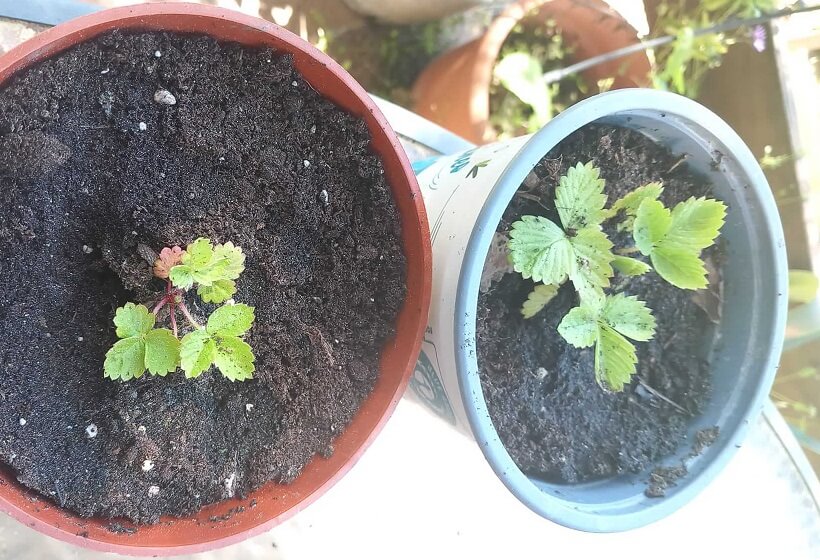
Wild strawberries do not have stolons, those trailing stems that their commercial relatives use to reproduce.
Therefore, our only option is to use seeds, which we found a bit challenging to germinate. The trick to doing it is simple:
One of the most fascinating things about plants is the different methods they use to protect their seeds. In this case, strawberries cover their seeds with a film that only dissolves with cold. They do this to prevent germination in winter, so if the seed doesn’t experience cold, it won’t germinate. If you store the seeds in spring, you won’t have problems, but if you do it starting from spring, you should put them in the refrigerator for up to a couple of months.
Harvesting Seeds
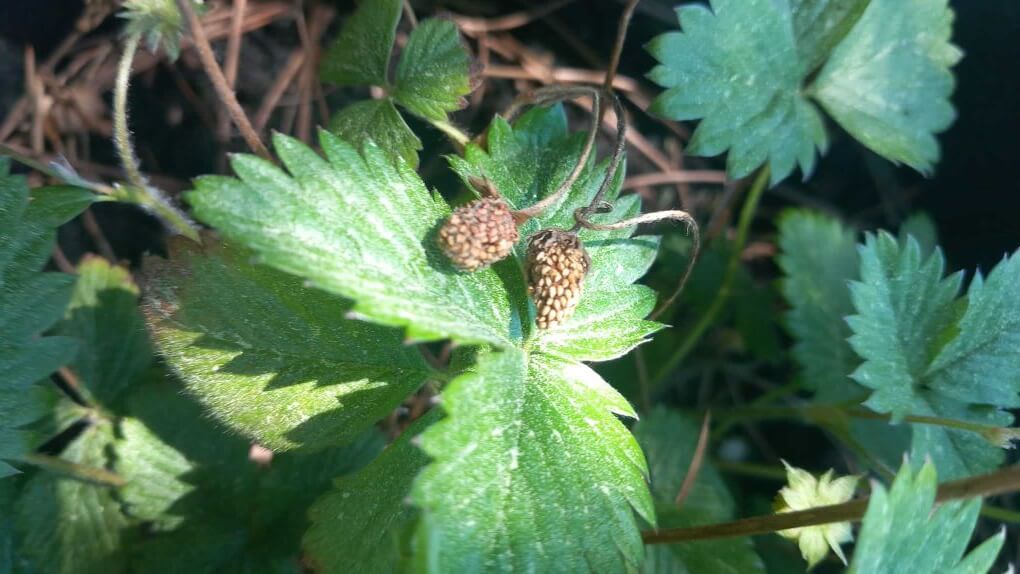
To obtain seeds, set aside a strawberry until it dries. The tiny seeds on the strawberry’s surface are its actual seeds, and you’ll see that despite their small size, each one will yield several dozens of seeds.
Sowing
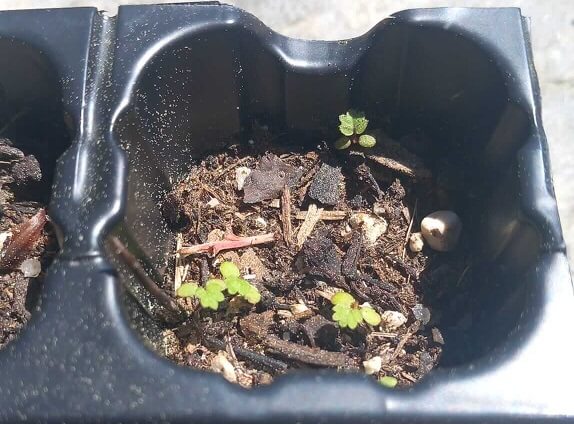
Remember the trick of chilling the seeds before sowing. To plant, place them in a very rich substrate and be sure to water them very moderately; it’s better to underwater than overwater, even when the plant begins to germinate.
Nutritional Properties
Wild Strawberries are rich in Fiber and Vitamin C, as well as a multitude of minerals.
Companion Planting
Strawberries have a shallow root system and produce low-lying leaves.
| Compatibilities | Incompatibilities |
|---|---|
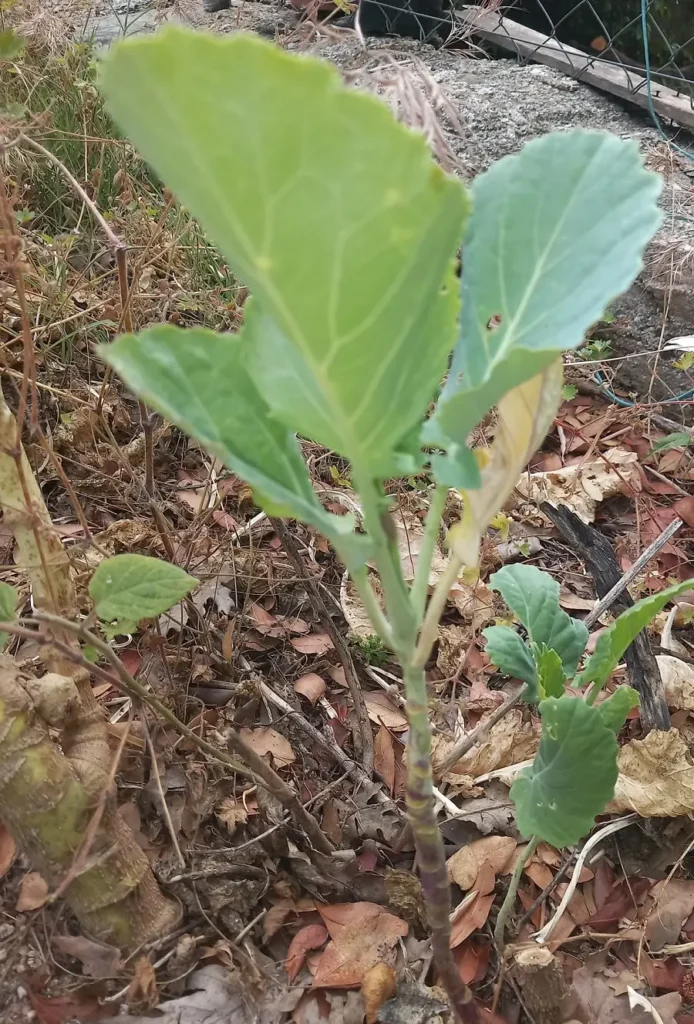
| Beans, Lettuce, Onion, Spinach, Thyme. | Brassicas (Cabbage, Cauliflower, Collard Greens) |
| Deciduous Trees and Hedges |
Now that you know how to grow and care for wild strawberries, here are some recommendations that we think might be useful when planting them at home:
🌿 Wild Strawberry Seeds
Grow your own wild strawberries at home and enjoy their authentic flavor.
💧 Drip Irrigation
An essential for keeping your vegetable garden or garden effortlessly hydrated.
🪴 Rectangular Planter
Easy to handle and with the ideal depth for your plants to grow strong.