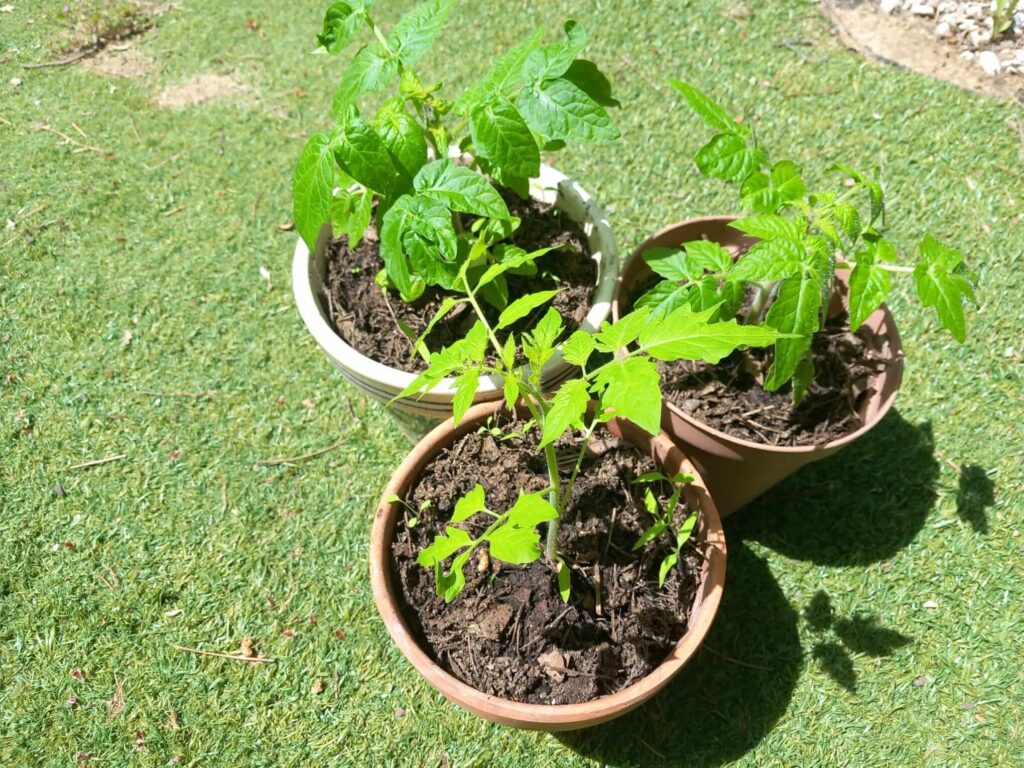
Micro tomatoes or Micro-Tom, are a variety of tomatoes characterized by their compact size and short life cycle. Ideal for urban gardens, these plants don’t grow taller than 20-30 cm, but they’ll reward you with a good yield of small, sweet, and juicy tomatoes. Plus, a very interesting advantage is that these varieties have shown resistance to fungal diseases, especially those affecting roots and thriving in humid environments, making them perfect for indoor cultivation.
This makes it possible for you to enjoy tomato plants right in your apartment. With very little space and some simple care, you can enjoy a delicious harvest without leaving home. Today we’ll tell you how to do it step by step.

Consistent watering, but avoid waterlogging. Water regularly, especially indoors.

Direct sun, at least 6-8 hours/day. Does not tolerate extreme heat waves well.

Drip irrigation / Careful manual watering.

Very easy to grow, ideal for beginners.

Does not tolerate temperatures below 10ºC or above 30ºC.

From Seeds.
Micro Tomato Care
Soil Requirements
Micro tomatoes thrive best in temperate climates and loose soils with good aeration and drainage. They prefer warm environments, but with constant substrate moisture. They do not tolerate waterlogging or extreme temperatures.
Soil Preparation
Micro tomatoes can grow in different types of soil, but they thrive best in soils rich in organic matter. Before planting, it’s ideal to enrich the substrate with mature compost. If growing in pots, use a universal potting mix blended with perlite or coir to improve moisture retention without causing waterlogging.
Light Requirements
This plant needs direct sun exposure for at least 6 to 8 hours daily. During the hottest months, it’s advisable to protect it from intense midday sun to prevent leaves from scorching or fruits from being damaged.
Watering
Micro tomatoes require frequent and regular watering, keeping the substrate moist but never waterlogged. They are sensitive to drought; a dry pot will cause the plant to suffer.
Watering Methods
Drip irrigation is recommended to provide consistent and localized watering. If you don’t have a drip system, manual watering is also effective if done carefully and regularly.
Seedling Care
During the first few days after germination, keep seedlings in a warm place with good light, but without intense direct sun. Make sure the substrate doesn’t dry out. When the seedlings have 2 or 3 sets of leaves, you can transplant them to their final location.
Pest Protection
Although micro tomatoes are quite resistant, they can be attacked by aphids, whiteflies, or spider mites. Regular monitoring is recommended, and if necessary, apply remedies to deter these pests.
Aphids
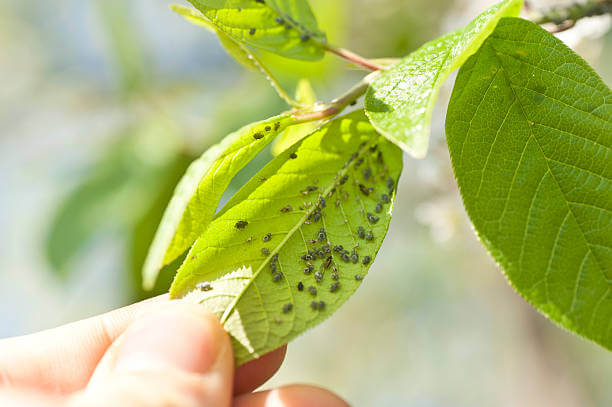
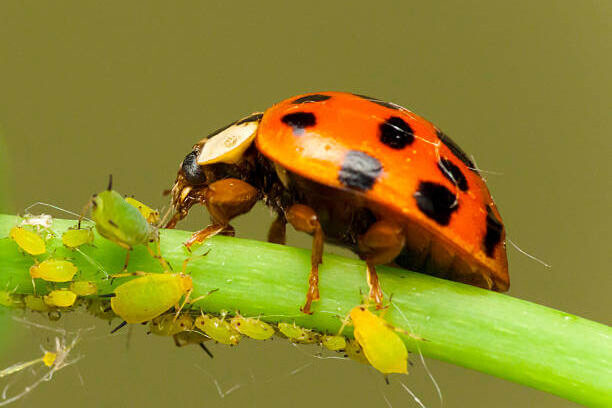
Aphids (Aphididae) are small insects that cluster on tender shoots and young leaves, sucking the plant’s sap. Their presence weakens growth and promotes the appearance of fungi like sooty mold due to the honeydew they excrete. They are visible to the naked eye, green, black, or yellowish in color. If you’re growing in a city pot, it’s difficult to have natural predators (Ladybugs), so given the small size of the plant, it’s best to remove them manually. Another way to deal with this pest is companion planting with marigolds and nasturtiums, which can help repel them.
Whiteflies
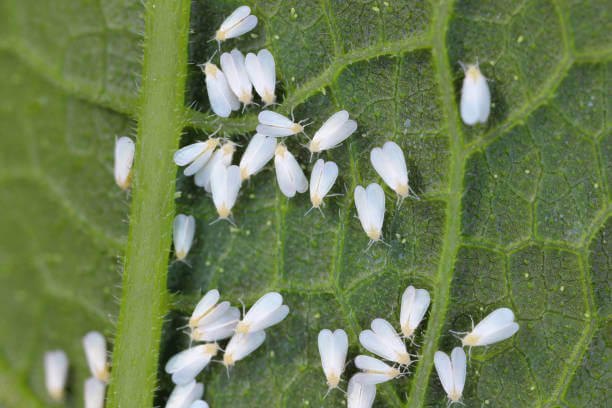
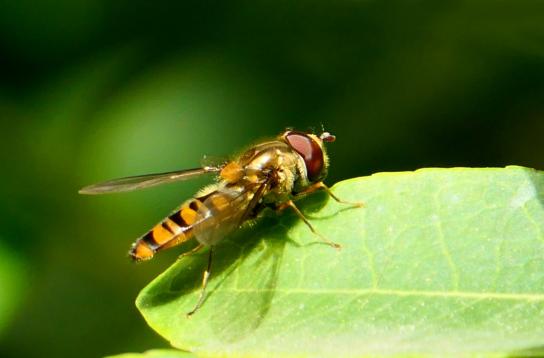
Whiteflies (Aleyrodidae) are flying pests that usually hide on the undersides of leaves and become active when the plant is disturbed. They suck sap, weakening the plant and leaving honeydew that promotes fungal growth. Their lifecycle is rapid in warm, dry climates. To prevent their appearance, yellow sticky traps can be used. In case of an infestation, treatments with garlic diluted in water or neem extract are effective. Furthermore, plants like marigolds or basil help keep this pest away. In urban settings, however, they are rare, and if you’re planting in a garden, the best idea is to encourage biodiversity by attracting predatory insects like hoverflies or lacewings.
Spider Mites
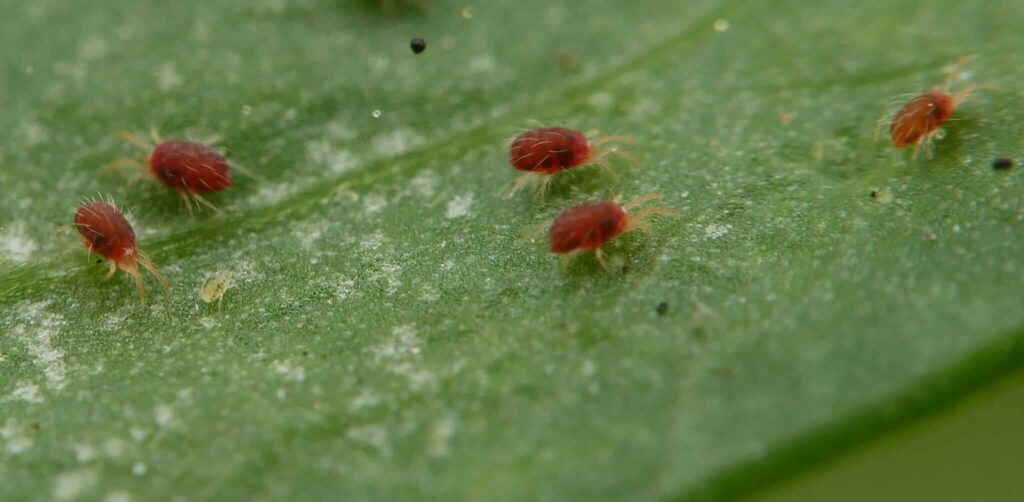
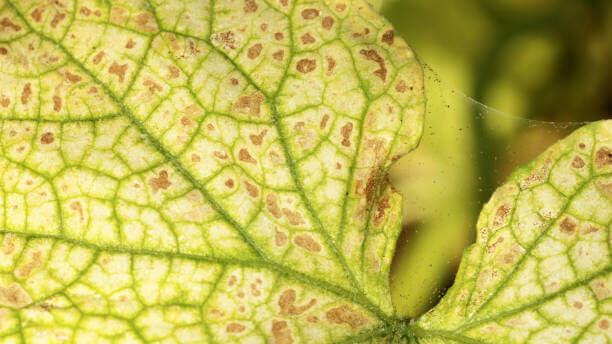
Spider mites (Tetranychus urticae) are tiny mites difficult to see with the naked eye, usually leaving signs like yellow specks on leaves and fine webs. They thrive in dry, hot environments, so increasing humidity is a good preventive method. In case of an infestation, regular misting with water is recommended. In urban areas, it might be a good idea to use acaricides like garlic extracts or neem oil. Frequent monitoring and maintaining proper watering help prevent their appearance.
How to Propagate Micro Tomatoes
Propagation from Seeds
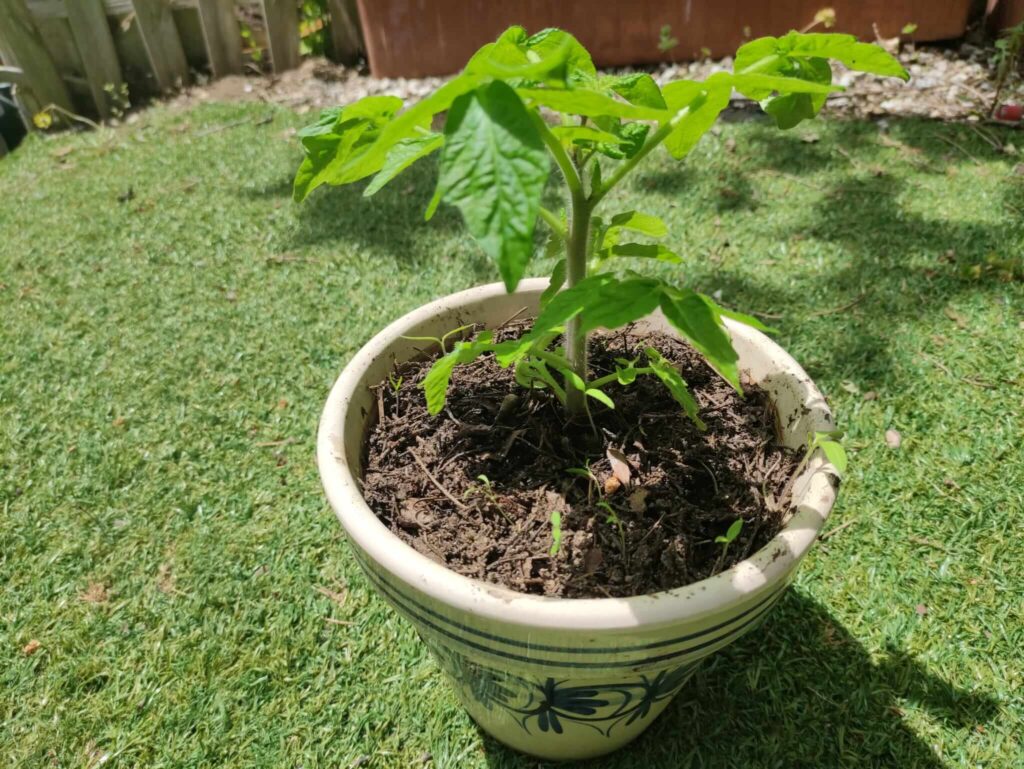
Micro tomatoes are plants that contain numerous seeds inside.
To collect them, we must wait until the fruits are completely ripe and soft. At this point, cut them in half and extract the seeds, which we will let ferment for a few days in a glass of water to remove the gelatinous coating. Afterwards, drain them, let them dry thoroughly on absorbent paper, and store them in a dry, dark place.
Each fruit will contain between 60 and 90 seeds, and this quantity may vary depending on the variety and growing conditions. Since one plant produces numerous fruits, imagine the number of seeds it yields, which we can then store in a paper envelope for planting.
Sowing
Tomatoes can be sown indoors at the end of winter, with February being the ideal month in the Northern Hemisphere. However, since this plant is suitable for grow cabinets or indoors if you have a sunny spot at home, you could grow it year-round. When starting cultivation, it’s advisable to do so in a seed tray. Place the seed inside about 0.5-1 cm deep in a loose, fertile substrate and cover it with Vermiculite to maintain humidity and prevent fungal growth.
Micro tomatoes germinate exactly like any other tomato, though it is recommended to do so indoors and use a heat source beneath the seed trays to speed up the process if you’re not planting in spring. If you don’t have heat mats, you can place them on top of the refrigerator or internet router, as these areas often provide that little bit of extra warmth. Also, remember to place a small plastic cover at the beginning to maintain humidity.
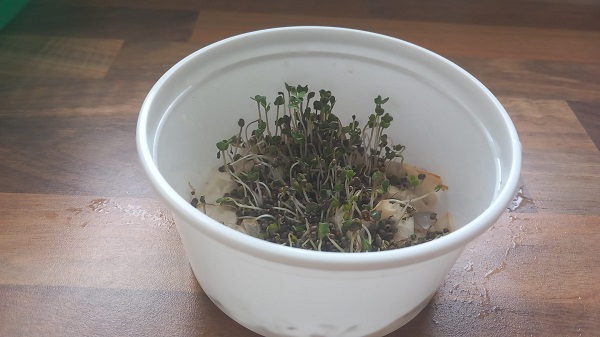
Once you see the seed has sprouted, remove the cover and place the seed trays in the sunniest spot you can find (always indoors) so the plants don’t stretch. And when the seedling has at least 2 or 3 sets of leaves, you can transplant it to its final location, either in a pot or directly in the garden.
Uses of Micro Tomatoes
Culinary Uses
Despite their tiny size, micro tomatoes are a gastronomic delight. They stand out for their intense flavor, slightly sweeter or more acidic depending on the variety, and are rich in lycopene, vitamin C, potassium, and antioxidants, making them beneficial for cardiovascular and immune health.
They can be consumed directly in salads, fresh sauces, pickles, or as a snack. They are ideal for dishes where the aesthetic appeal of the food is desired, for example, in tapas, gourmet dishes, or garnishes.
Companion Planting
Micro tomatoes, due to their compact growth and less extensive roots than traditional tomatoes, adapt well to small spaces, although they require good sun exposure. It’s important to consider their environment to avoid competition for light and nutrients.
| Compatibilities | Incompatibilities |
|---|---|
| Aromatic Herbs (like Basil, as it repels pests) | Potato (share diseases like downy mildew) |
| Carrot (thanks to its deep roots, it doesn’t compete for soil) | Fennel (inhibits its growth) |
| Onion and Garlic (serve as pest repellents) | Cabbages (cause nutrient imbalance in the soil) |
| Lettuces and spinach (roots at different depths, optimize soil nutrient and moisture use) |
Peas (can attract common pests) |
Now that you know everything about micro tomatoes, here are some recommendations we think might be useful when planting them at home:
🍅 Micro Tomato Seeds
Grow your own micro tomatoes at home and enjoy their authentic flavor.
🌱 Seed Starting Trays
Ideal for starting your micro tomato seeds or other vegetables indoors.