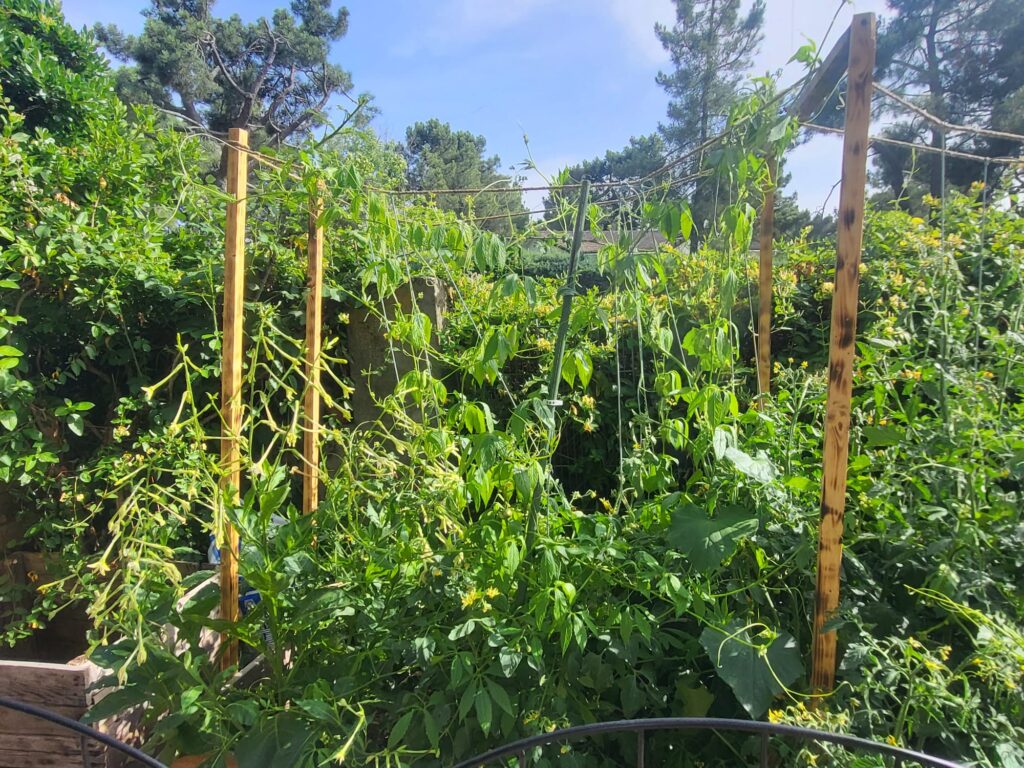
The caigua, also known as korila, achocha, or Andean cucumber, is a climbing plant that surprises with its rapid growth and its hollow, light, and versatile fruits in the kitchen. Originating from the Andes, this species has been cultivated for centuries for its nutritional value and health benefits. Although it is little known in many urban gardens, caigua adapts very well to home cultivation thanks to its hardiness, ease of management, and the fact that it needs little more than a large pot, a support stake, and sun.
This makes it an ideal option if you want to try something new and different on your terrace, balcony, or garden. Besides adding an exotic and green touch to your space, it will reward you with edible pods that you can eat fresh, stuffed, or cooked. Today, we’ll tell you everything you need to know to grow it step by step.

Moderate and consistent watering. Keep the substrate slightly moist without waterlogging. Increase frequency during dry periods.


Direct sun or bright semi-shade, at least 5-6 hours of light per day.

Drip irrigation / Careful manual watering.

Very easy to grow, ideal for beginners.

Prefers temperatures between 18 °C and 28 °C. Does not tolerate frost or sustained temperatures below 10 °C.

By Seeds.
Caigua Care
Soil Requirements
Caigua thrives best in loose, deep soils with very good drainage. It prefers temperate climates with some ambient humidity, without waterlogging, and with good air circulation. The ideal pH for its cultivation is between 6.0 and 7.0.
Soil Preparation
Although it can grow in poor soils, caigua produces better in ground enriched with organic matter. Before planting, it is advisable to prepare the soil with mature compost or worm castings. If you are growing in a pot, use a universal potting mix blended with coir or perlite to improve aeration and moisture retention without compaction.
Light Requirements
This plant needs at least 5 or 6 hours of direct sunlight daily or very intense light if it is in semi-shade. In very warm climates, it can benefit from some shade during the hottest parts of the day, as it does not tolerate extreme heat well.
Watering
Caigua requires regular watering, keeping the substrate consistently moist but without waterlogging. It is sensitive to prolonged drought, especially during flowering and fruit formation. If the soil dries out too much, production will be affected.
Watering Methods
Drip irrigation or careful manual watering is recommended, taking care not to excessively wet the foliage to prevent diseases. In pots, it is important to manage drainage well and adjust watering frequency according to sun exposure and ambient temperature.
Seedling Care
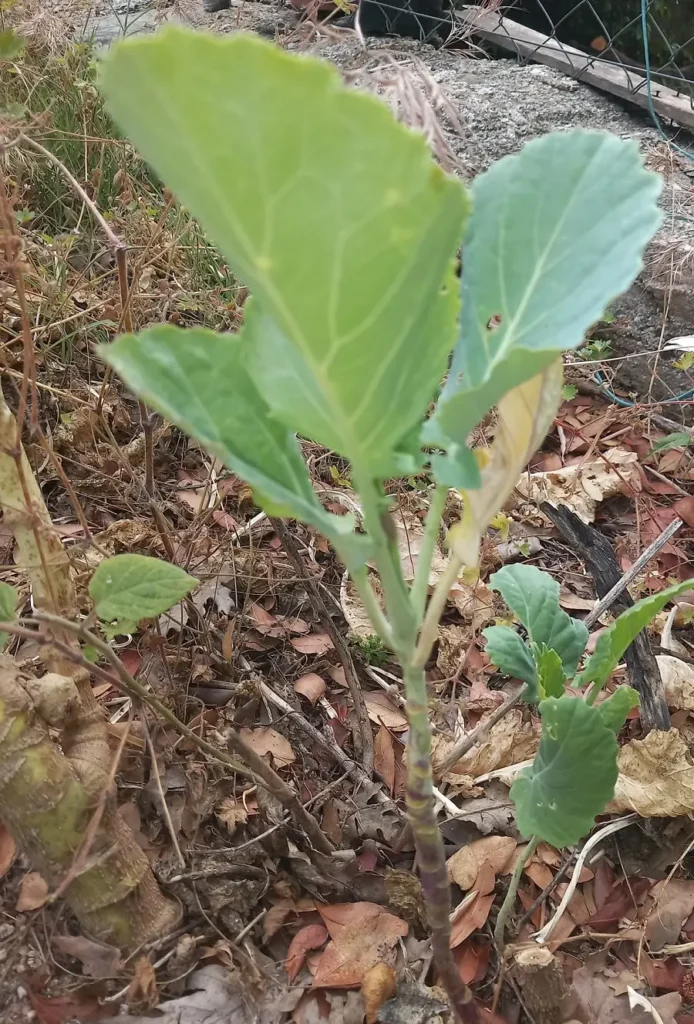
After germination, keep the seedlings in a temperate environment with good indirect light until they develop at least two pairs of true leaves. At that point, you can transplant them to their final location, preferably next to a stake or structure for them to climb. Ensure consistent moisture without overwatering so that the root system establishes correctly.
Pest Protection
Although caigua is a hardy and vigorous growing plant, it can be affected by some common garden pests, especially in warm climates or if crop rotation is not practiced. Among the most frequent are aphids, whiteflies, and thrips.
As we’ve already discussed aphids and whiteflies in other posts, such as the one about micro-tomatoes, this time we’ll focus on a lesser-known but equally damaging pest: thrips
Thrips
Thrips (Thysanoptera) are tiny, elongated insects, light brown, black, or yellowish, difficult to see with the naked eye. Their damage largely stems from their behavior, as they scrape the surface of leaves, shoots, or flowers to feed, causing silver spots, deformities, dry edges, and, in more severe cases, premature drop of flowers or fruits. In young caigua plants, a thrips infestation can slow initial growth, while in adult plants, it can damage flowers and prevent good fruiting.
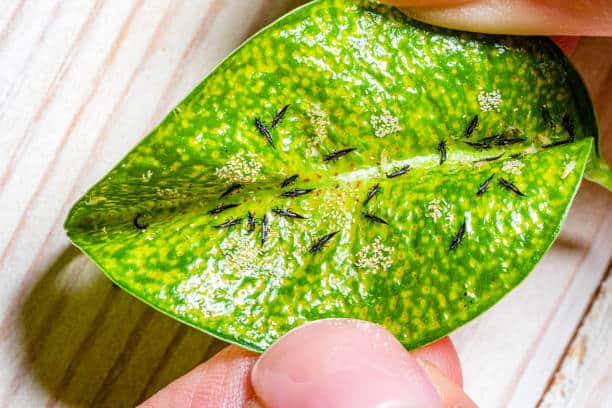
This pest appears in dry and warm environments, especially if the plant suffers from water stress or is weakened. Therefore, maintaining good ambient humidity and regular watering without waterlogging is key to preventing their appearance. It is also advisable to intercrop with chives, garlic, or basil, as their aromatic compounds naturally repel them.
If thrips are already detected, it is best to act gently but effectively. In these cases, we can apply chamomile extract, which has a repellent and calming effect on the plant, a method safe for pollinators and respectful of the ecosystem.
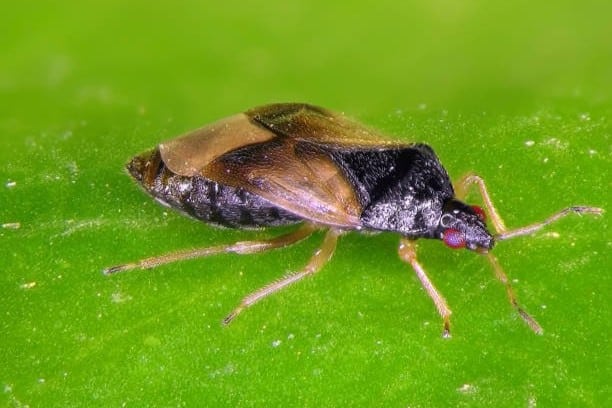
Furthermore, encouraging the presence of natural predators is a very effective and ecological strategy; the most effective in eliminating this pest are lacewings or the minute pirate bug. An easy and common way to attract these allies, which we always recommend, is to plant flowers like marigolds, dill, or flowering cilantro, which offer them shelter and alternative food. Remember that a biodiverse and balanced environment will always be the best natural defense system against pests.
How to Propagate Caigua
Propagation by Seeds
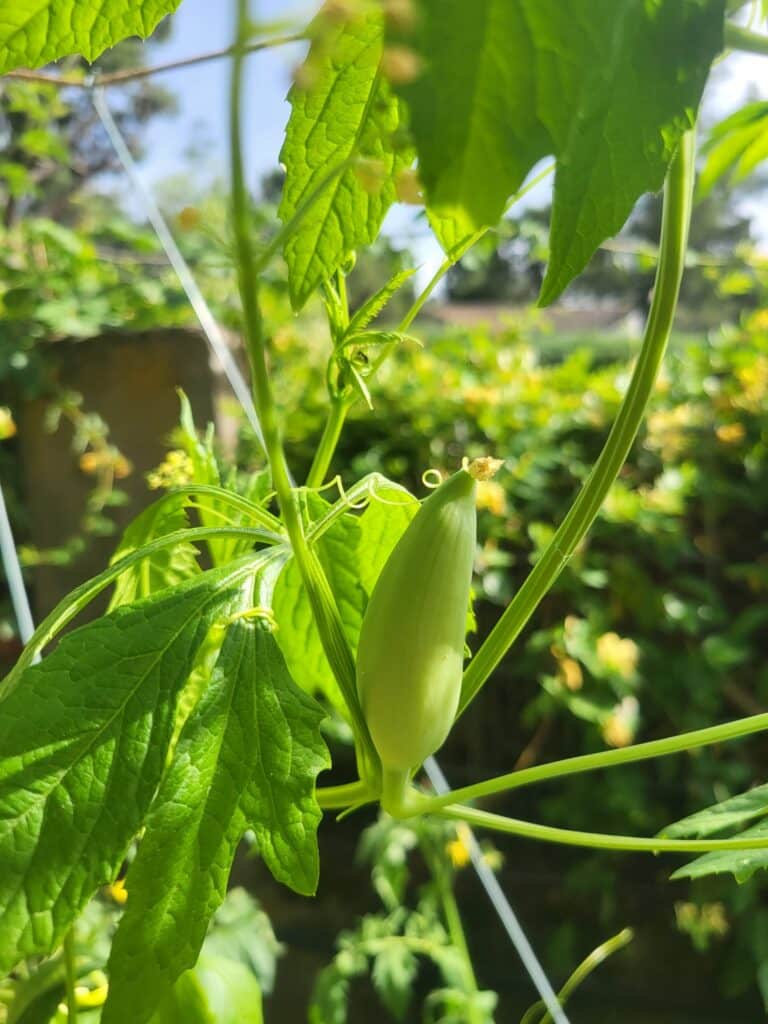
Caigua is a plant that reproduces easily from seeds; each mature fruit contains between 8 and 20 large, dark, flat seeds, depending on the size of the specimen and growing conditions. To collect them, it’s important to wait until the fruit is completely ripe, which you’ll notice when it turns yellowish or orangish, begins to soften, and, in some cases, even opens on its own.
Once the seeds are extracted, it’s time to wash them with lukewarm water to remove any remaining pulp or mucilage. Then, they should be left to dry on absorbent paper in a cool, ventilated place for at least a week. When completely dry, you can store them in a paper envelope or a tightly sealed glass jar, labeled with the date.
Sowing and germination
Caigua is a tropical climbing plant that needs temperate temperatures and some humidity to germinate correctly. Ideally, we should start its cultivation in spring, when the risk of frost has passed and night temperatures remain above 15 °C. In temperate climates, we recommend sowing from late March to May, but if you live in a cold area, you can start sowing indoors or in a protected seedbed, then transplant outdoors when conditions improve.
When preparing the seedbed, you can use small pots, cell trays, or individual seed starting pots. Once selected, fill them with a loose substrate rich in organic matter, which should be well moistened before sowing. Next, place one seed per container, about 2 or 3 cm deep, with the flatter side down, and cover with a thin layer of substrate, pressing lightly.
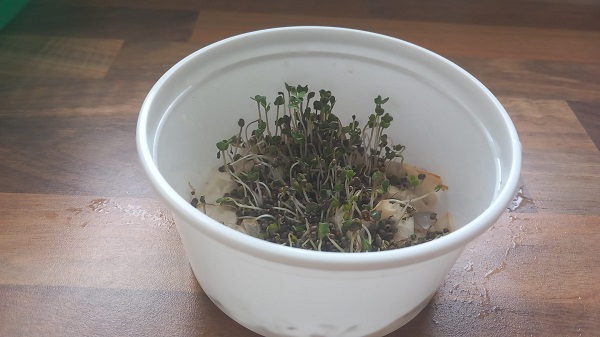
Under optimal conditions, with a temperature between 20 and 28ºC, good light, and keeping the substrate moist without becoming waterlogged, your seeds will germinate in approximately 7 to 14 days. Remember that germination time is an estimate, as it can vary and take longer if the temperature is low or the seed is buried too deep.
Transplanting
When transplanting your caigua seedlings to their permanent location, you should wait until they have developed at least 2 or 3 true leaves and reached a height of 10 to 15 cm. If you’ve sown several, select the most vigorous and healthiest ones to ensure better development.
When starting germination indoors or in a protected seedbed, it is crucial to gradually acclimate the plants to the outdoors afterward. To do this, place them outdoors in the mornings and bring them back in during the afternoon or evening for several days. Gradually increase the daily exposure time until they can remain outside permanently, fully adapted to the environmental conditions.
Uses of Caigua
Culinary Uses
The caigua fruit is highly appreciated in traditional Andean cuisine and increasingly valued in other parts of the world for its soft texture, delicate flavor, and nutritional properties. It is mainly consumed when it is still tender and green, at which point it is juicier and easier to cook.
One of the most common ways to prepare it is stuffed. Being a hollow pod, the seeds are removed, and it can be filled with meat, rice, vegetables, cheese, or vegan mixes, then baked or steamed. It can also be consumed in stews, soups, and stir-fries, sliced or cut into strips, providing a light texture reminiscent of cucumber.
In some regions, it is even eaten raw in salads, well washed and thinly sliced, ideal for those who enjoy fresh, slightly herbaceous flavors. Furthermore, thanks to its low caloric content and high water and fiber content, it is an ideal food for light and healthy diets.
Plant Associations
Caigua is a fast-growing climbing plant that appreciates vertical space to expand. Like all cucurbits, it can be somewhat demanding in nutrients, so it’s important to plan its location to avoid unnecessary competition and promote beneficial associations.
| Compatibilities | Incompatibilities |
|---|---|
| Corn (serves as a natural support and provides light shade) | Pumpkins and Zucchini (compete for space and nutrients) |
| Beans or Broad Beans (add nitrogen to the soil) | Fennel (as with other crops, it inhibits their development) |
| Onion and Garlic (serve as pest repellents) | Cucumbers (very similar needs, promote cross-diseases) |
| Spinach and Swiss Chard (shallow roots, do not compete with caigua) | Melon or Watermelon (too much competition for water and space) |
Now that you know a bit more about caigua, here are some products that can help you when growing it in your garden:
🌱 Caigua Seeds
Grow this climbing Andean plant and get light, healthy fruits perfect for stuffing.
🎋 Plant Stakes
Essential for guiding growth. Keeps plants upright, improves aeration, and facilitates harvesting.