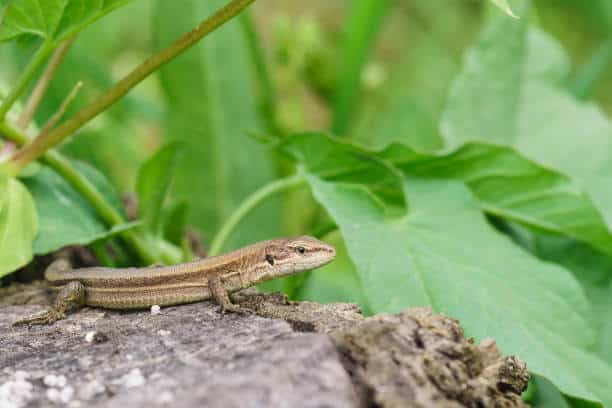
Usually when we see lizards, we spot them scurrying among stones, sunbathing on a wall, or hiding under a pot. And while they often go unnoticed, they play a crucial role in our garden’s ecosystem. Discreet, swift, and voracious, these insectivorous reptiles become great allies when it comes to natural pest control.
That’s why, in this post, we’ll tell you why you should be happy to have lizards in your garden, what benefits they bring, and how to create an environment where they can live peacefully.
Why are lizards useful in our garden?
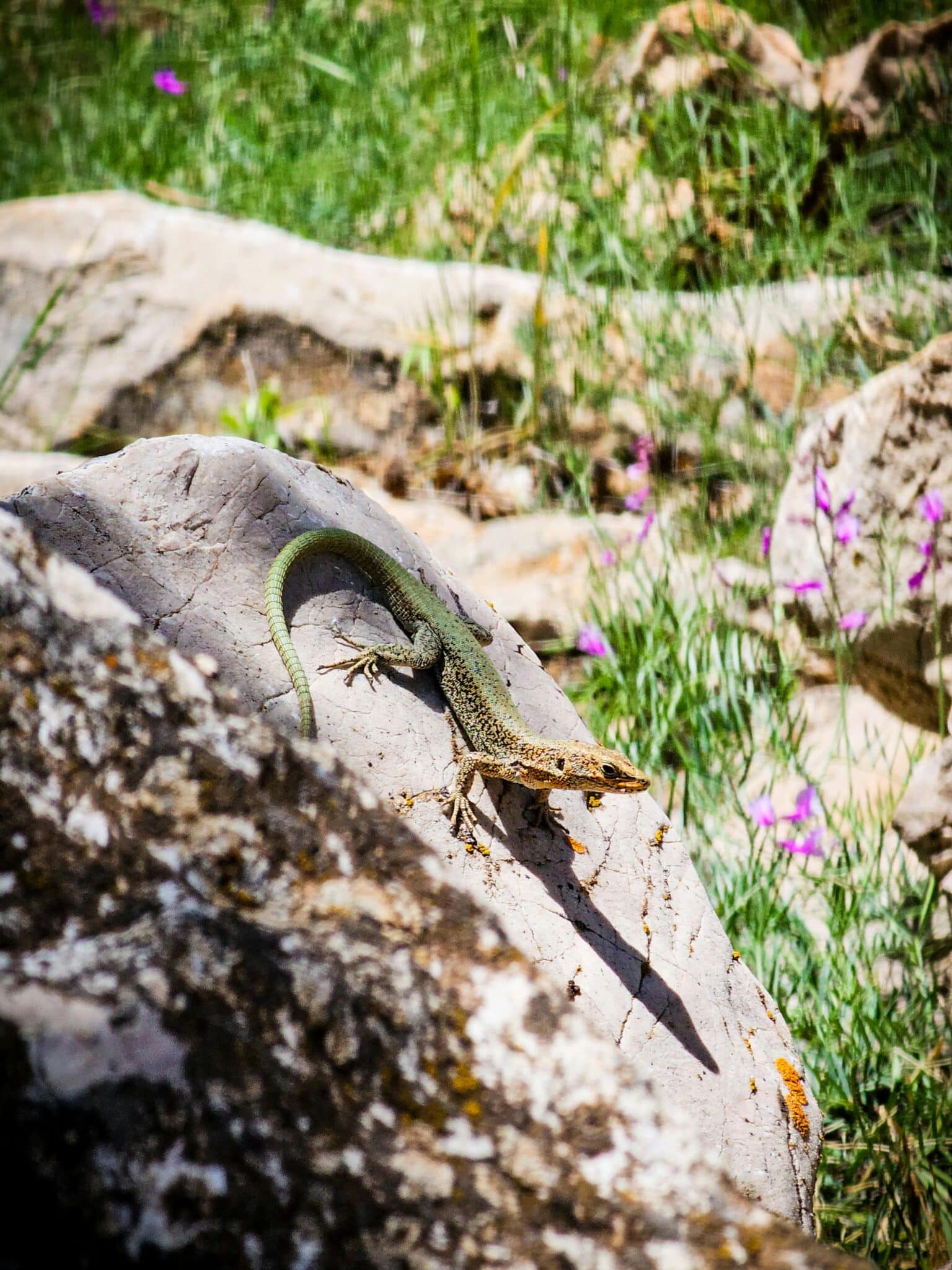
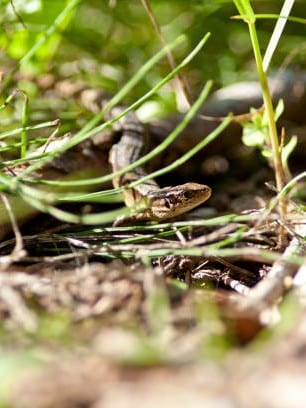
Lizards, such as the Podarcis muralis or the Podarcis hispanicus, common in warm and sunny environments, play a key role in the natural balance of our garden. Their presence is a sign that the environment is healthy, diverse, and well-structured.
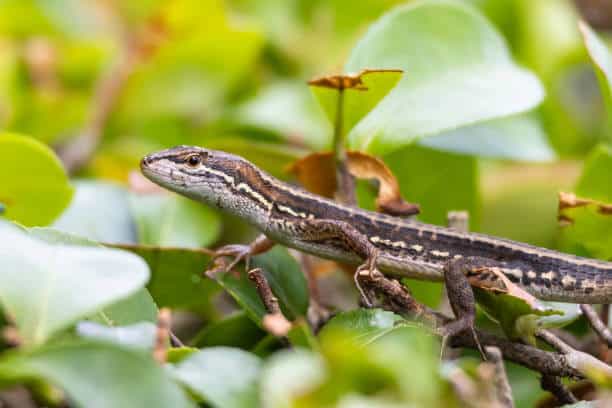
As we mentioned at the beginning of this post, one of the greatest benefits of lizards is the natural pest control. They feed on a wide variety of insects that can be harmful to garden plants, such as aphids and thrips, small caterpillars, flies and mosquitoes, or larvae and eggs of other damaging insects.
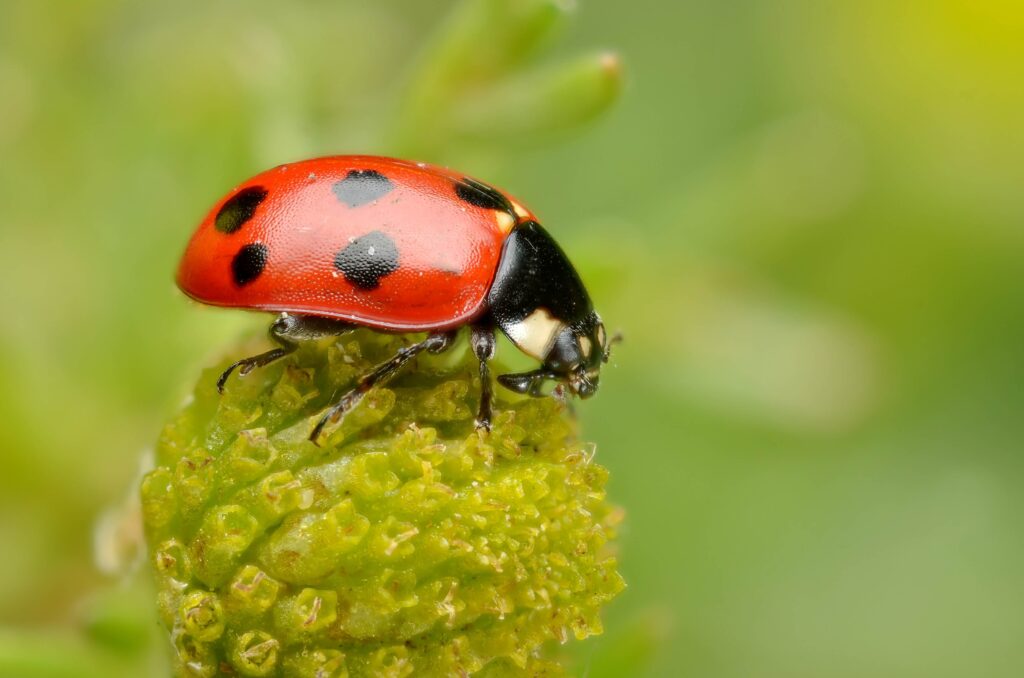
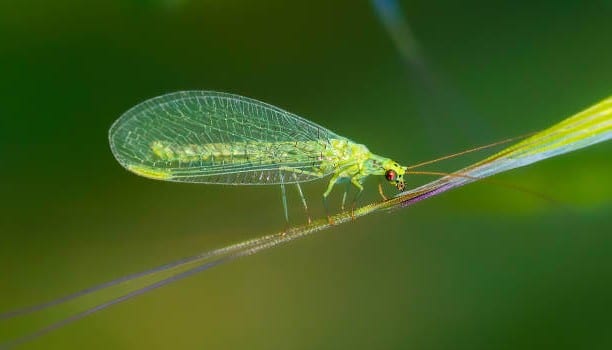
And although they are not as well-known as other beneficial species (ladybugs or lacewings), their role as predators is equally important and complementary, helping to keep insect populations under control.
What’s more, another advantage of having these little creatures scurrying around is that they don’t cause direct damage to the garden. They don’t feed on plants or fruits, nor do they dig or alter the soil structure. Their presence is discreet, fulfilling their role without interfering with cultivation tasks and without disturbing the soil’s balance.
How to attract lizards to your garden?
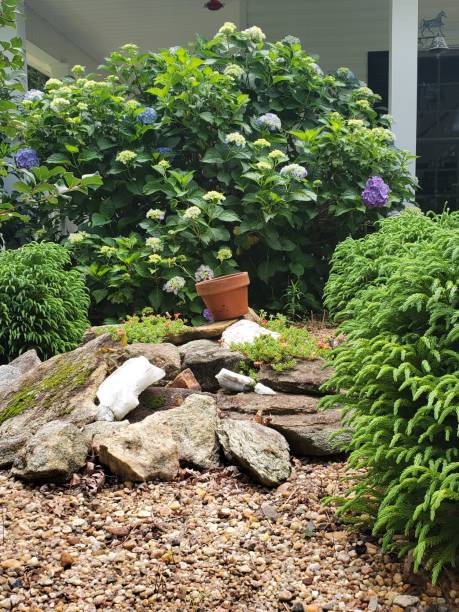
- Offer them natural shelters. Lizards love quiet, protected corners, so you can leave small stones, piles of firewood, stacks of dry leaves, or hollow logs in sunny areas, which will serve as a hiding place and resting spot.
- Avoid using chemical products. Insecticides and herbicides not only harm insects but also those that feed on them. If you eliminate their food source, such as small insects, caterpillars, or aphids, lizards won’t find reasons to stay. Furthermore, toxins can directly affect their health, and the last thing we want is to harm a living creature.
- Add sunbathing elements. As cold-blooded animals, lizards need sunny areas where they can regulate their temperature, in a quiet and safe spot. Place some flat stones or wooden planks in direct sunlight. They’ll love using them as a solarium, and it will serve as an attraction for them to stay.
- Control the presence of cats and other predators. If you have cats at home or your garden is frequented by them, try to limit their access, at least during certain hours of the day. Cats can see lizards as prey, which might deter them from settling in your garden.
- Promote biodiversity. The more life there is in your garden, the more balanced the ecosystem will be. Planting flowers that attract insects, such as marigolds or lavender, and maintaining a healthy environment can benefit not only lizards but also other allies like bees, hoverflies, or butterflies. And although some butterfly caterpillars can be voracious, it’s always good to have some controlled pests of these or other insects, as they will serve to feed our allies and encourage them to stay.
Care and precautions
Having lizards in your garden is a stroke of luck, but for their presence to be sustainable and beneficial in the long term, it’s important to consider some key factors that often go unnoticed:
Don’t alter their environment once established: If lizards have decided to settle in your garden, avoid constantly interfering with the areas where they usually move. Frequent tilling, moving stones, or dismantling shelters can disorient them or cause them to leave. The ideal approach is to observe where they feel comfortable and respect that space as part of the natural balance.
Don’t handle them or try to domesticate them: While their presence might be charming, it’s important to remember that they are wild animals. Capturing or relocating them can cause high levels of stress and even endanger them. Furthermore, a lizard displaced from its environment will hardly be able to adapt or survive.
Leave some pests alive: In a healthy garden, not everything needs to be “100% controlled.” Lizards need to eat, so having a small presence of insects like crickets, spiders, small moths, or aphids (at low levels) is not just non-problematic, but it helps maintain a balanced population of natural predators. As with other beneficial insects, if we completely eliminate their prey, they too will disappear.
Protect shelters from wind and humidity: Lizards need warmth and protection, but also shelters that won’t flood or be exposed to cold drafts. Ensure that the areas where they can take cover are well-drained and sun-oriented, without direct exposure to heavy rains or constantly irrigated areas.
In conclusion, beyond keeping the most bothersome insects at bay, lizards help us reduce reliance on artificial pest control methods, thus promoting a more stable long-term balance. Their presence reminds us that a living garden is much more than just plants: it’s a complex ecosystem where every species, no matter how small, has a role to play.