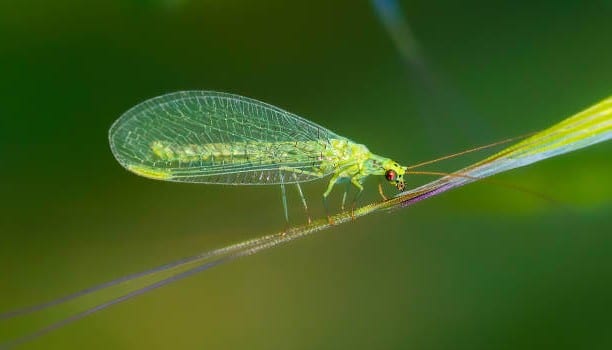
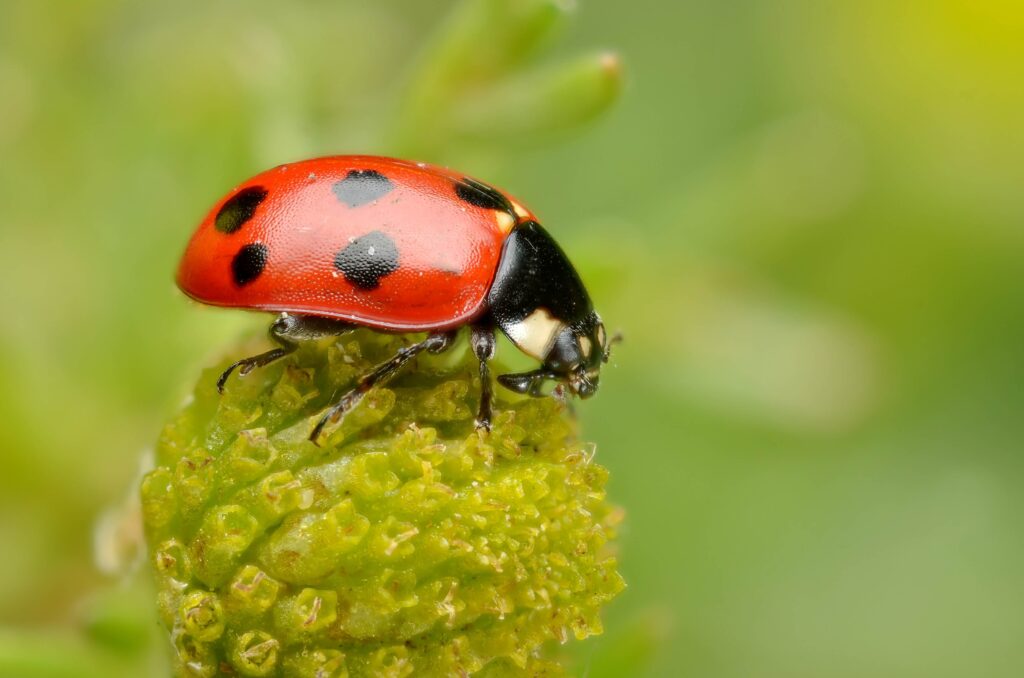
Ladybugs (Coccinellidae), also known as ladybirds, are essential allies in organic farming and biological pest control. These small, brightly colored beetles, like red or yellow with black spots, are voracious predators of insects that harm our crops and gardens. They are particularly useful against aphids, a major tormentor in our crops.
But…why are these tiny creatures so effective?
Why are Ladybugs So Effective?
Both ladybug larvae and adults feed on a wide variety of pests, including aphids, mites, scale insects, thrips, and other insect larvae. It’s estimated that a single adult ladybug can consume between 50 and 70 aphids per day, and their larvae are even more voracious during their development. This predatory capacity makes them a highly effective biological control method.
One of the most well-known species, Coccinella undecimpunctata, the red ladybug we all recognize, is especially efficient at eliminating aphids in various ecosystems. It not only thrives in natural environments but also adapts very well to urban gardens or home plots.
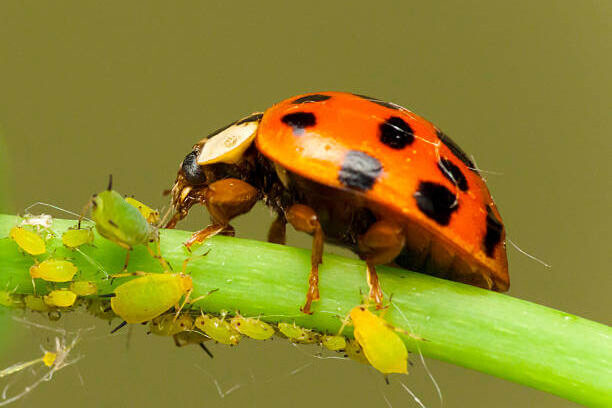
What’s more, ladybugs have a highly developed sense of smell, allowing them to detect the chemical compounds released by plants when attacked by pests. This ability helps them accurately locate infestation hotspots, quickly heading to the areas most in need of help.
What Benefits Do They Offer Your Garden?
Their main benefit, as we’ve already mentioned, is natural pest control, which allows you to eliminate the use of chemical pesticides. This not only protects your plants but also safeguards soil health, pollinators, and other beneficial insects.
By feeding on pests, they help us prevent diseases that these insects can transmit to plants, such as viruses, fungi, or bacterial infections. This not only protects the health of your garden but also reduces the risk of these diseases indirectly affecting us. As a result, you get healthier crops, with less need for chemical treatments and greater long-term productivity.
Furthermore, some ladybug species supplement their diet with pollen or nectar, indirectly contributing to pollination, especially in areas where other pollinators are scarce. Not to mention, they are indicators that your garden has a healthy and balanced ecosystem.
In other words, naturally including ladybugs in your garden and cultivation strategy will not only help you have healthier plants but also strengthen the environment, promoting regenerative, sustainable agriculture connected to natural rhythms.
How to Attract Them?
To attract these beneficial predators to our garden, we can use different techniques:
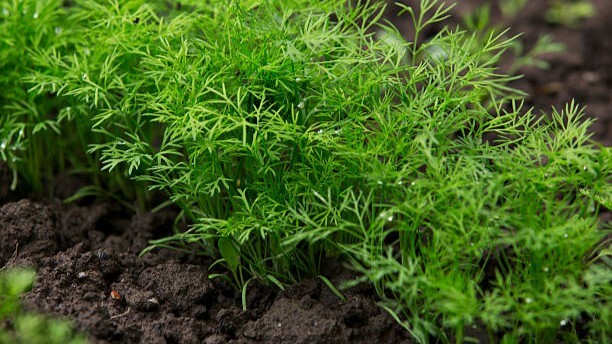
- Plant flowers like marigolds, dill, or cilantro. These will not only provide them with food but also attract their favorite prey, aphids.
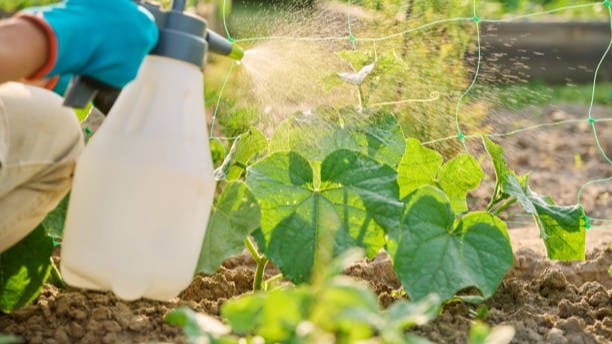
- Avoid using pesticides or chemicals. These products, even “natural” ones, can harm these beneficial insects.
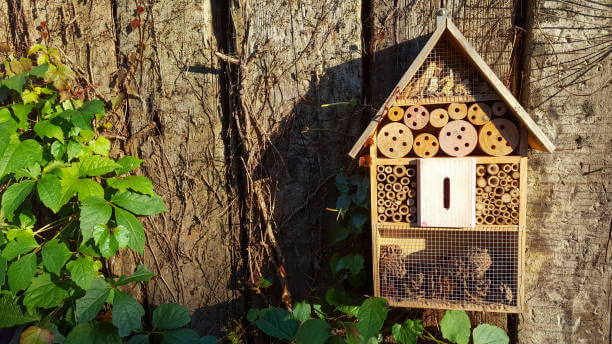
- Offer them shelter where they can hide, rest, and reproduce. This could be dense vegetation corners, piles of dry leaves, bark, or even small insect hotels (these are ideal).
- You can also leave unmown areas in your garden or install large pots with aromatic plants. The more diverse your garden, the better your chances of attracting and maintaining stable ladybug populations.
Keep in mind that if their prey isn’t available in your garden or plot, ladybugs will seek another place to feed. This raises two points: It’s good to have some controlled pests so they always have food, and if not, we should provide high-quality pollen that gives them enough protein to use as sustenance. This is especially important in winter, when there are fewer prey but also fewer flowers. In other words, always try to have flowers throughout the year to ensure pest predators are available.
Ultimately, encouraging the presence of ladybugs and other beneficial insects in your garden is not just an effective strategy to protect your plants, but also a commitment to a healthier and more biodiversity-friendly cultivation model. That’s why we’re sharing a selection of products that can help you attract them and encourage their presence in your garden:
🌱 Cilantro Seeds
A staple for attracting beneficial insects to your garden and fostering biodiversity.
🌱 Dill Seeds
Grow fresh, aromatic dill and attract beneficial insects like hoverflies and ladybugs.
🐛 Insect Hotel
Attract beneficial wildlife to your garden, promote biodiversity, and naturally protect your crops.