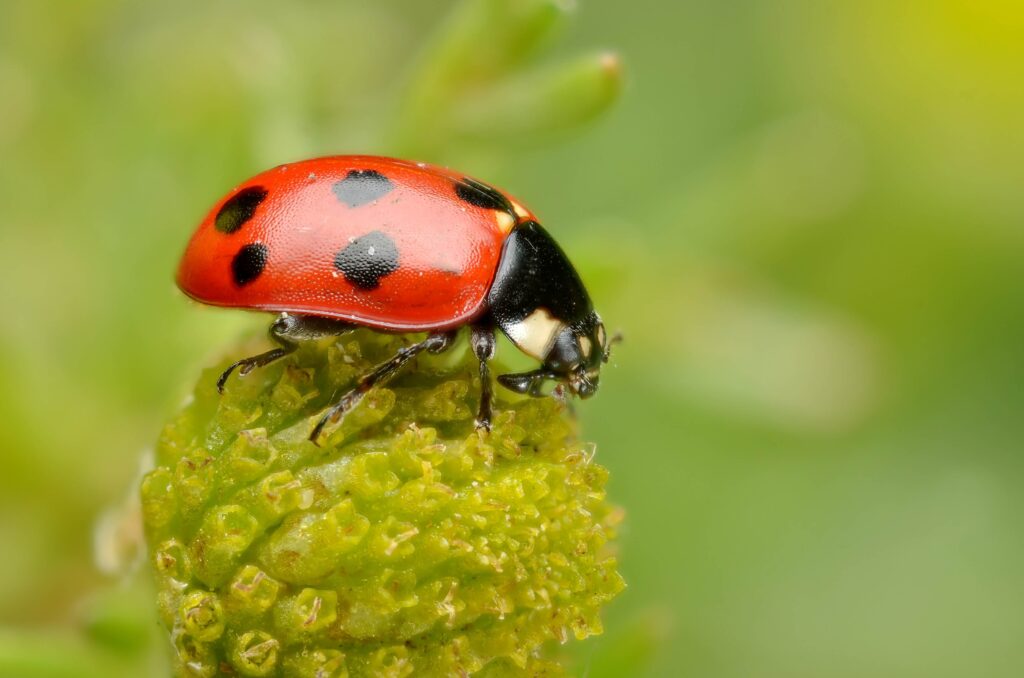
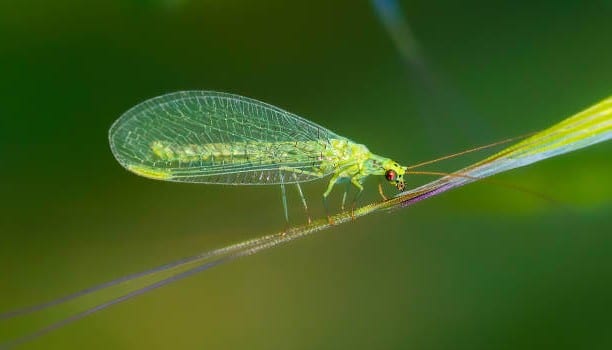
In the world of natural predators, ladybugs, as we’ve discussed before, tend to steal the spotlight. But there’s a silent hero that deserves a prime spot in our vegetable gardens, and that’s the Green Lacewing (Chrysopa). Don’t let their ethereal appearance and lace-like wings fool you, because this predator in its juvenile stage is a true pest-eliminating machine.
An ecological ally that can transform your crop into a strong, healthy, and balanced ecosystem, without a single drop of pesticide. Stick around and we’ll tell you more about this incredible insect!
A Miniature Hunting Machine
While adult lacewings primarily feed on pollen, nectar, and honeydew, their true fame comes from their larvae. Known as “aphid lions” , these small, elongated creatures with curved mandibles can consume up to 200 prey a day.
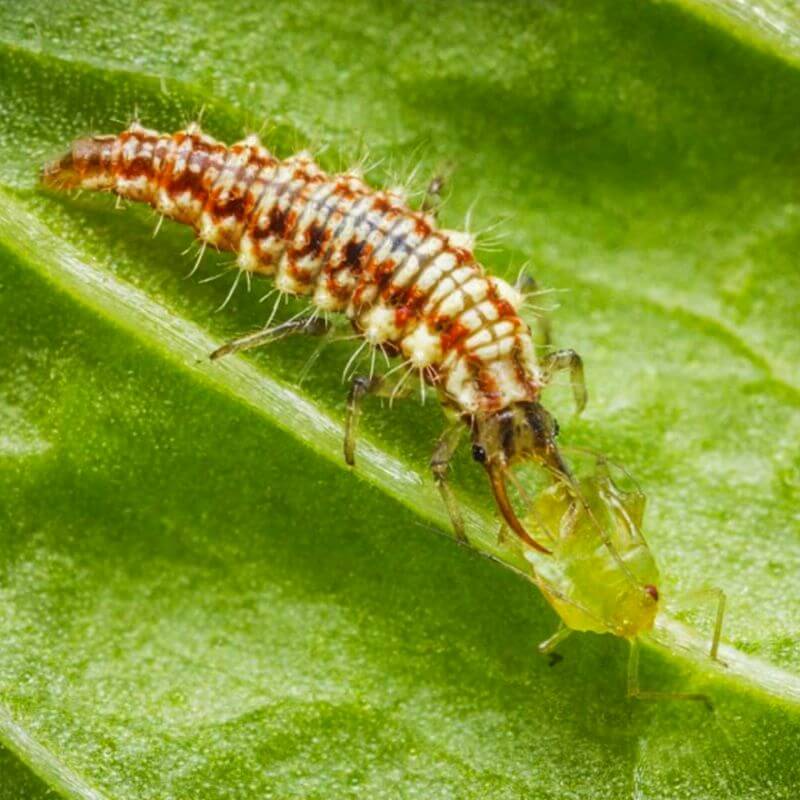
Among their favorite victims are: aphids, mealybugs, mites, and thrips. In other words, a large portion of the insects that most affect our crops.
Unlike other slower predators, lacewing larvae are mobile, aggressive, and persistent. They attack quickly and effectively, literally sucking their prey dry.
Why Choose Lacewings as Predators in Your Garden?
Lacewings stand out as one of the most efficient and versatile predators. Unlike other beneficial insects, their larvae don’t specialize in a single prey but feed on a wide variety of common garden and vegetable patch pests, making them an ideal option for maintaining ecological balance comprehensively.
One of their greatest advantages is their ability to act quickly after hatching. From their very first hours of life, the larvae begin to hunt and can consume hundreds of prey in just a few weeks. This speed is key to stopping pest outbreaks before they spread.
Furthermore, they adapt well to different climates, capable of reproducing in controlled environments, without posing a risk to people, pets, or plants. Their low cost of introduction and maintenance, combined with their predatory efficiency, makes them an excellent tool for those who practice organic or regenerative agriculture.
In summary, if you’re looking for a silent, tireless, and life-respecting ally for your garden, the green lacewing is a choice that combines effectiveness and sustainability.
Keys to Keeping Them in Your Garden or Vegetable Patch
If you want lacewings to become natural allies in your garden, it’s essential to offer them a welcoming environment. These insects feel comfortable in areas with abundant vegetation and a certain degree of humidity, so a dry and less diverse garden is usually not attractive to them.
One of the first steps to attract them is to grow plants that produce pollen and nectar, as adult lacewings primarily feed on these substances. Species like cilantro, cumin, flowering carrot, or borage are excellent options. These not only beautify the space but also act as natural magnets for these and other beneficial insects.
Another trick is to take advantage of their attraction to light. Since they are nocturnal insects, you can leave some soft lights or lanterns on during the night, especially near areas with vegetation or flowers. This will grab their attention and encourage them to stay.
Additionally, make sure they have adequate shelter. Lacewings highly value spaces where they can rest and lay eggs safely.
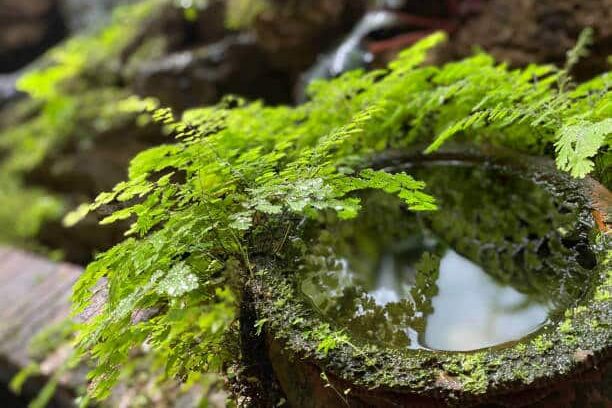
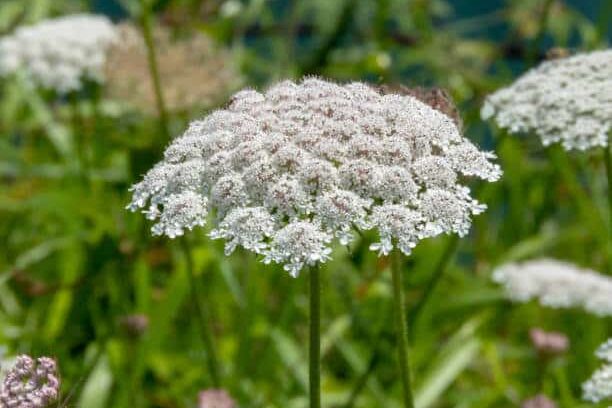

But remember, just like other beneficial predators, if there isn’t enough food for them in your garden, lacewings will look for it elsewhere. That’s why it’s always good to have some pests under control to feed them in their juvenile stage or to provide quality nectar and pollen year-round for adult lacewings. Therefore, we’re sharing a selection of products that can help you attract them and encourage their presence in your garden:
🌱 Cumin Seeds
An essential for attracting pollinators and beneficial auxiliary fauna for natural pest control.
🥕 Carrot Seeds
Their flowers attract beneficial fauna to your garden, helping us foster biodiversity and protect crops.
💡 Garden Lights
An essential for creating a pleasant ambiance while also encouraging the presence of beneficial insects.