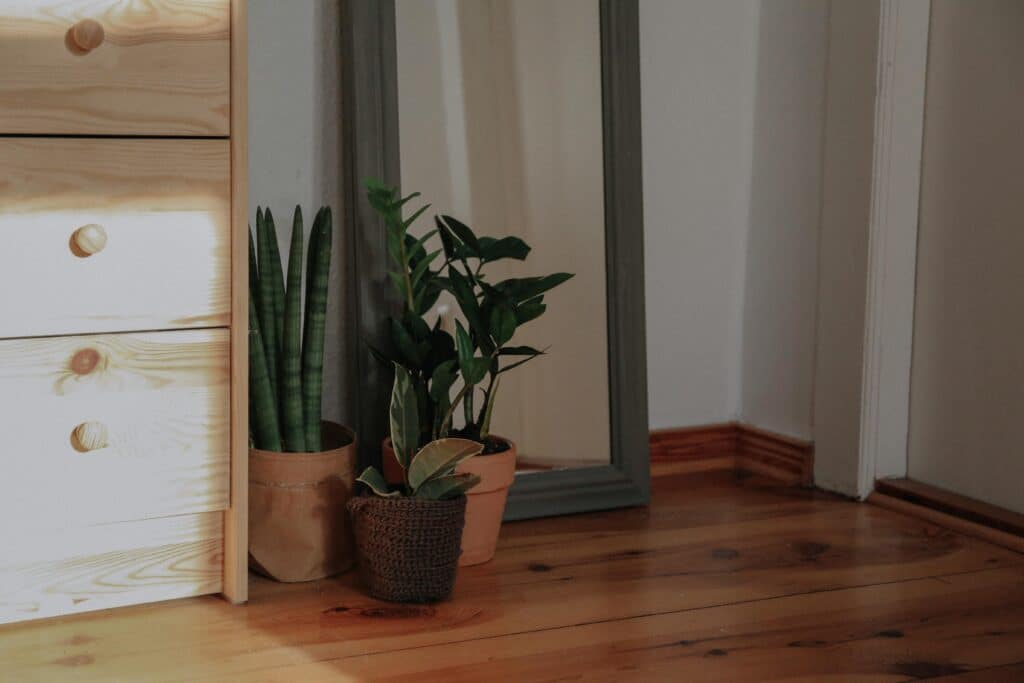
Imagine for a moment transforming a corner of your home into a small green pharmacy, a sanctuary of well-being where your own “patients” are lush plants that not only purify the air and beautify the space but also offer natural remedies for everyday ailments. Sounds magical, right? Well, it’s a reality within your reach. Indoor medicinal plants are much more than just a decorative element; they are living allies that connect you with the ancestral wisdom of nature, offering you a natural first-aid kit to care for yourself and your family.
Why Have a Green First-Aid Kit at Home?
Modern life, with its fast pace and constant exposures, pushes us to seek more organic and conscious alternatives for our well-being. Growing your own medicinal plants at home provides you with an inexhaustible source of benefits:
* Immediate Accessibility: A minor burn? A headache? Nerves on edge? The solution could be just steps away, fresh and ready to use.

* Connection with Nature: Caring for a plant is a meditative act that reduces stress and fosters gratitude. It reconnects you with natural cycles and the beauty of life.
* Pure Air and Beauty: In addition to their healing properties, these plants beautify your home and act as natural filters, improving air quality.
* Self-Sufficiency and Knowledge: Learning about the properties and uses of each plant empowers you, gives you tools to care for your health more holistically, and invites you to explore a fascinating world.
* No Undesired Chemicals: By growing them yourself, you have total control over what your plants absorb, ensuring your remedies are pure and pesticide-free.
Your Green Allies: Essential Plants
Here are some of the stars of this green first-aid kit, easy to grow indoors and with amazing properties:
Aloe Vera (Aloe barbadensis miller)
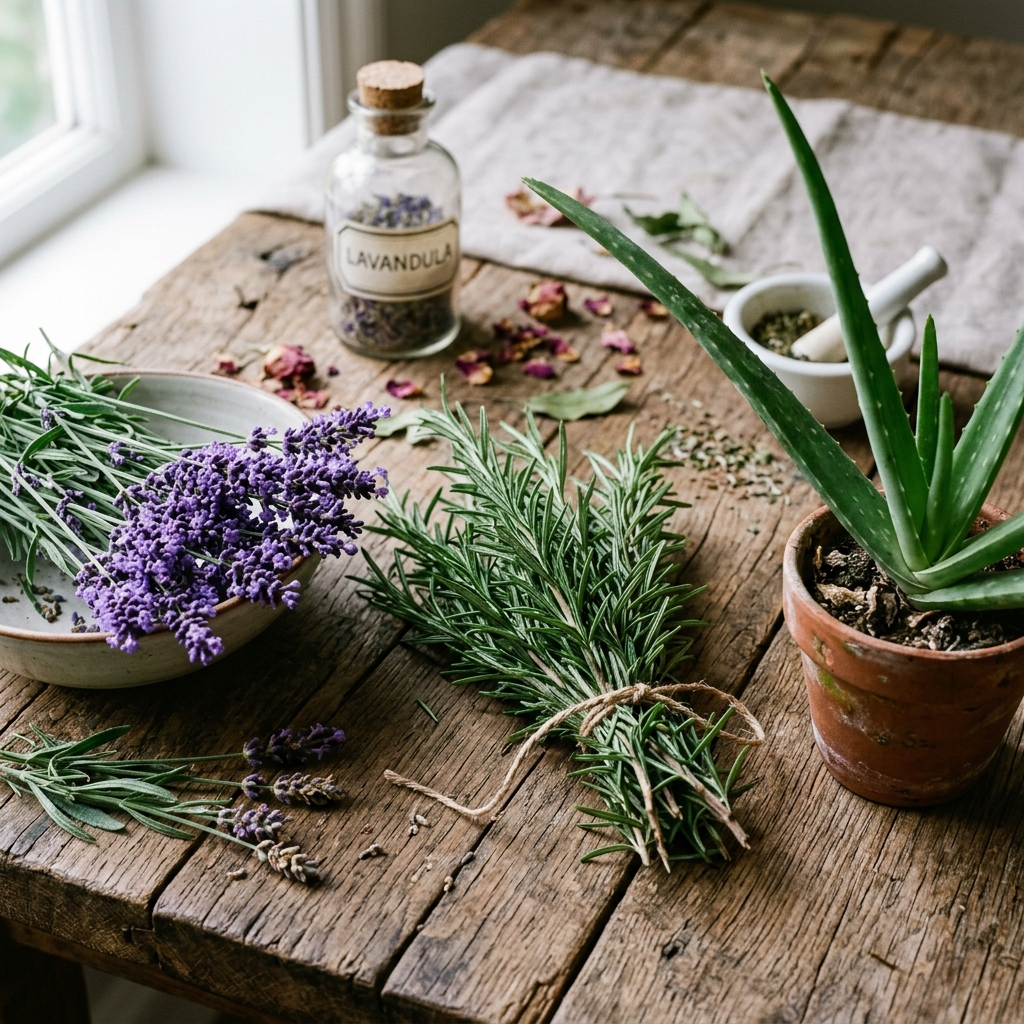
The undisputed king of indoor medicinal plants. Its transparent gel, hidden within its fleshy leaves, is a miraculous balm. It is anti-inflammatory, healing, moisturizing, and antibacterial.
* Uses: Ideal for minor burns, skin irritations, insect bites, superficial cuts, and for moisturizing the skin. It can also be consumed (in moderation and consulting an expert) for digestive problems.
* Care: Needs plenty of indirect light and infrequent watering. Let the substrate dry completely between waterings.
Mint (Mentha spp.)
With its refreshing and stimulating aroma, mint (whether spearmint, peppermint, or other varieties) is a delight for the senses and a blessing for the stomach.
* Uses: Infusions to relieve indigestion, nausea, gas, and headaches. Its aroma helps to decongest the respiratory tract. A few crushed leaves applied to the temples can relieve tension.
* Care: Prefers bright, indirect light and moist but well-drained soil. It tends to grow vigorously, so good pruning will keep it in check.
Chamomile (Chamaemelum nobile or Matricaria chamomilla)
Chamomile’s small, delicate flowers are famous for their calming and anti-inflammatory properties.
* Uses: Perfect for relaxing infusions that combat insomnia, anxiety, and stress. It also relieves menstrual cramps, indigestion, and is a gentle anti-inflammatory for eye irritations (in compresses).
* Care: Requires plenty of direct sunlight and well-drained soil. It’s a bit more demanding than others, but its benefits are well worth it.
Basil (Ocimum basilicum)
Beyond its culinary use, basil is a powerful plant with adaptogenic and anti-inflammatory properties.
* Uses: Helps reduce stress and anxiety. Infusions can relieve gas and digestive spasms. It also has antimicrobial and antioxidant properties. Crushed leaves can soothe insect bites.
* Care: Needs plenty of direct sunlight and regular watering, keeping the substrate moist but not waterlogged.
Lavender (Lavandula angustifolia)
While often associated with outdoor gardens, lavender can thrive indoors with the right conditions, filling your home with its unmistakable relaxing fragrance.
* Uses: Its essential oil is famous for inducing relaxation and improving sleep. Its dried flowers in sachets can repel moths. Gentle infusions can calm nerves. Compresses with lavender infusion relieve tension headaches.
* Care: Plenty of direct sunlight is crucial! Moderate watering, letting the substrate dry between waterings.
Rosemary (Rosmarinus officinalis)
This aromatic shrub, known for its use in cooking, is also a powerful stimulant and antioxidant.
* Uses: A rosemary tea can improve concentration and memory, relieve mental fatigue, and stimulate circulation. It’s also a gentle expectorant useful for respiratory problems. Its essential oil is a tonic for hair and skin.
* Care: Requires abundant direct sunlight and moderate watering, allowing the soil to dry slightly. It likes fresh air and does not tolerate excessive humidity.
Caring for Your Indoor Medicinal Garden
For your plants to offer their best, it’s essential to provide them with a suitable environment:
* Light: Most medicinal plants thrive with abundant light. Place them near south or east-facing windows. If natural light is scarce, consider using artificial grow lights.
* Watering: The golden rule is “less is more.” It’s better to underwater than to drown a plant. Ensure pots have good drainage holes and that the substrate dries between waterings, adapting to the specific needs of each species.
* Soil/Substrate: A good, well-aerated, and well-draining universal potting mix is ideal. You can add a little perlite or sand to improve drainage if necessary.
* Ventilation: Indoor plants also appreciate fresh air. Ensure the space is well-ventilated to prevent moisture buildup and fungal development.
* Harvesting: Harvest your plants early in the morning, after the dew has dried, when their essential oils are most concentrated. Prune regularly to encourage denser, healthier growth.
An Important Reminder
Although medicinal plants are gifts from nature, it is vital to use them with knowledge and respect. Thoroughly research the properties, dosages, and preparation methods for each plant. If you have any pre-existing medical conditions, are pregnant, breastfeeding, or taking medications, always consult a healthcare professional before using any herbal remedies. Plants are powerful complementary tools, not substitutes for conventional medicine in serious cases.
So, why not start creating your own wellness corner today? Choose one or two of these wonderful plants, give them a home, and watch how they transform not only your space but also your approach to self-care. Cultivating a natural indoor first-aid kit is an investment in your health, your home, and your connection to the natural world around you. It’s an invitation to nourish yourself from the earth, one leaf at a time.