
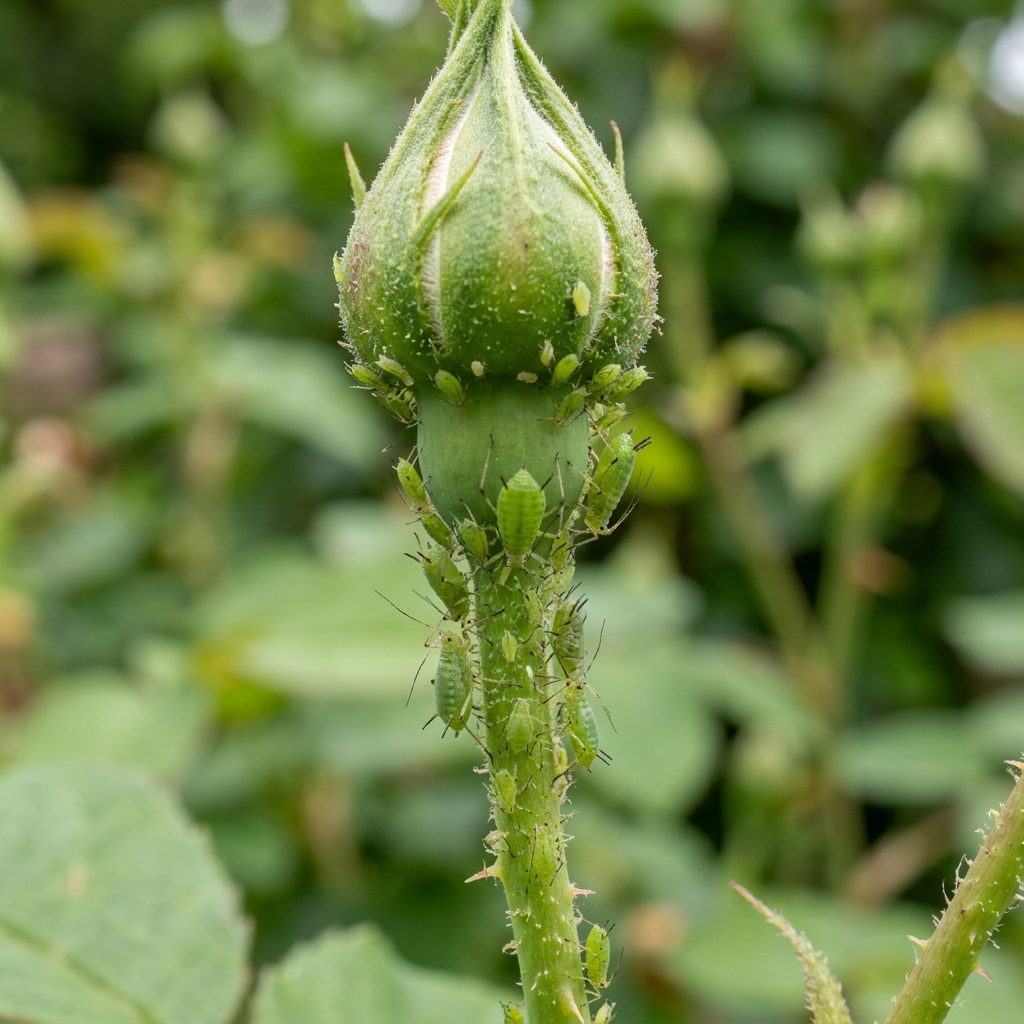
Aphids are, without a doubt, one of the most common and persistent pests gardeners face. These tiny, soft-bodied invaders, varying in color from green and black to yellow and pink, cluster on tender shoots and the undersides of leaves, sucking the vital sap from our plants. The result: curled leaves, stunted growth, and sometimes even the death of the plant. Moreover, they are known to secrete a sticky honeydew that attracts ants and encourages the growth of black sooty mold.
Faced with this threat, the temptation to resort to chemical products can be strong. However, as a passionate gardener, I know that the true beauty and health of a garden lies in its ecological balance. Synthetic pesticides can not only be harmful to our health and that of our pets, but they also eliminate beneficial insects (like ladybugs and lacewings) that are natural predators of aphids, creating an unhealthy cycle of dependence. Fortunately, nature provides us with a pharmacy of effective and environmentally friendly home remedies.
Understanding for Prevention
Before going on the offensive, it’s crucial to establish a good defense. A healthy and balanced garden is less prone to severe infestations.
- Robust Plants: Stressed or weakened plants are an easy target for aphids. Ensure your plants receive adequate water, sunlight, and nutrients. Soil rich in organic matter is the foundation for vigorous growth.
- Crop Rotation: If you grow vegetables, rotation helps break pest and disease cycles.
- Companion Plants: Some plants act as natural repellents.
– Marigolds (Tagetes): They are excellent for repelling aphids and other pests.
– Nasturtiums: They trap aphids, diverting them from your more valuable crops. You can sacrifice them or check them periodically to remove concentrated pests.
– Garlic and Onion: Their strong scent confuses aphids and other pests.
– Mint and Lavender: Natural repellents that also add beauty and aroma to your garden.
- Attract Allies: Encourage the presence of beneficial insects that feed on aphids, such as:
– Ladybugs: Both larvae and adults devour aphids at an astonishing rate.
– Lacewings: Their larvae are voracious predators.
– Hoverflies: The larvae of these flies also feed on aphids.
You can attract them by planting flowers they like, such as dill, yarrow, or phacelia.
Direct Attack: Effective Home Remedies
Once aphids have established themselves, it’s time to take action with these ecological methods.
Pressurized Water Spray
For light infestations or to dislodge large groups, a strong jet of water can be sufficient.
- Use a garden hose or a sprayer.
- Direct the spray towards the undersides of leaves and shoots.
- Do this in the morning so the leaves have time to dry and avoid fungal diseases.
- Repeat every few days until the problem disappears.
Potassium Soap or Homemade Insecticidal Soap
This is, perhaps, one of the most popular and effective remedies. The soap dissolves the aphids’ protective waxy layer, dehydrating and suffocating them.
- Recipe: Mix 1-2 teaspoons of mild, biodegradable liquid soap (without detergents or bleach) in one liter of water. You can use specific garden potassium soap, which is even gentler on plants.
- Application: Pour the mixture into a sprayer. Spray generously on affected areas, making sure to cover the undersides of the leaves.
- Frequency: Apply every 3-5 days until the pest is under control. It’s best to apply in the evening to avoid sunburn on leaves and to protect beneficial insects that might land on the wet plant.
Neem Oil
Neem oil is a natural extract from the neem tree and is a broad-spectrum ecological insecticide. It doesn’t kill instantly but acts as an antifeedant, growth regulator, and repellent.
- Preparation: Mix 5-10 ml of pure neem oil (emulsifiable) with one liter of water and a small amount of mild soap as an emulsifier.
- Usage: Spray the entire plant, paying special attention to new shoots and the undersides of leaves.
- Considerations: It is most effective when applied preventively or at the first signs of infestation. Apply in the evening to avoid affecting pollinators and other beneficial insects, as it only works by direct contact when wet.
Garlic or Spicy Chili Infusion
These ingredients are natural repellents thanks to their strong compounds.
- Garlic Recipe: Crush one head of garlic in one liter of water. Let it steep overnight, then strain the mixture and dilute with another liter of water (or more, if very concentrated).
- Chili Recipe: Mix one tablespoon of chili powder (or a few crushed fresh chilies) with one liter of water and a pinch of mild soap. Let it steep for a few hours and then strain.
- Application: Spray on affected plants. The strong scent deters aphids.
- Warning: Use gloves and protective eyewear when handling chilies. Avoid spraying on flowers if you have pollinators.
Tomato Leaf Infusion
Tomato leaves contain alkaloids that are toxic to aphids.
- Preparation: Chop two cups of tomato leaves and stems and soak them in one liter of water for at least one night. Strain the mixture.
- Usage: Spray on infested plants.
Rubbing Alcohol (Isopropyl)
For small, localized infestations, alcohol can be a quick solution.
- Dilution: Mix one part isopropyl alcohol with one part water.
- Application: Moisten a cotton ball or swab and rub directly onto the aphids. You can also use a sprayer for larger areas.
- Caution: Test on a small section of the plant first to ensure it doesn’t cause damage, as some plants are more sensitive.
Final Tips for Lasting Success
- Be Consistent: The key to home remedies is consistency. A single application is rarely enough.
- Observe Regularly: Inspect your plants frequently to detect pests early, when they are easier to control.
- Identify and Eliminate Ants: Ants “farm” aphids to harvest their honeydew. If you control ants, you will drastically reduce the aphid population.
- Patience and Persistence: Ecological gardening is a journey of continuous learning. Don’t be discouraged if you don’t see immediate results; nature has its own rhythms.
Adopting an ecological approach to pest control will not only help you keep your garden free of aphids but also foster a healthier and more resilient ecosystem. By working with nature, rather than against it, we cultivate not only plants but also a deep respect for the vital balance of our environment.