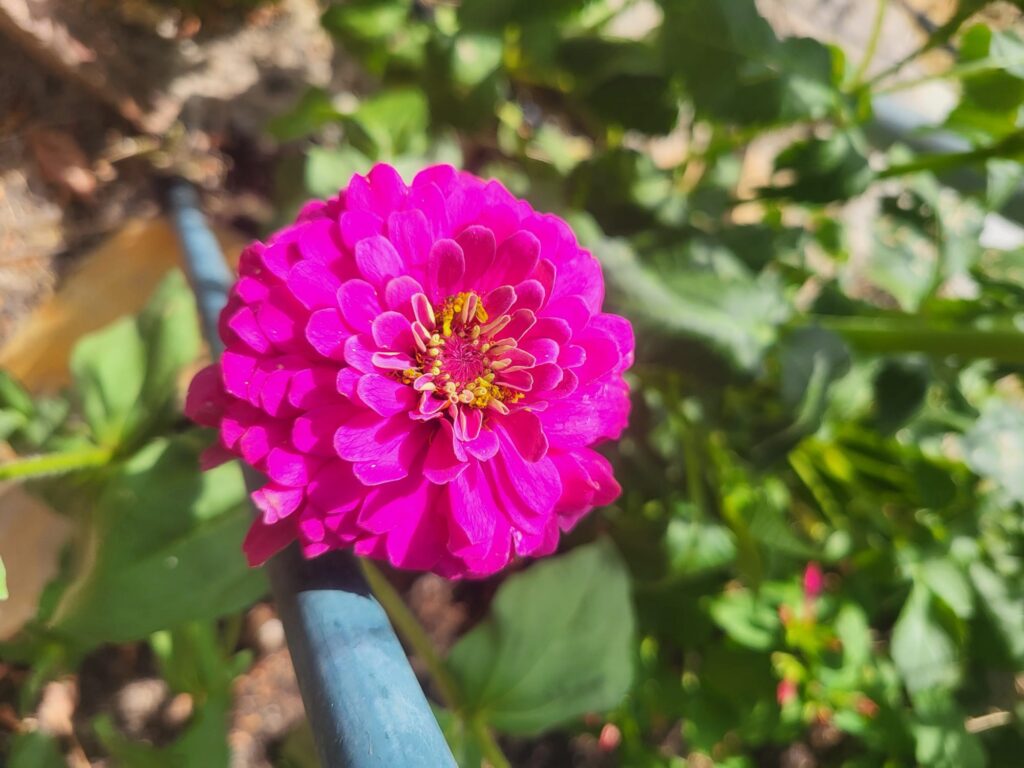
The zinnia is an annual plant that stands out for its color, its long flowering period, and its heat resistance. Originally from Mexico and Central America, it is ideal for filling our gardens, balconies, and orchards with flowers ranging from white and pastel tones to the most intense fuchsias.
In addition to its ornamental value, the zinnia is a great ally of the organic garden thanks to its ability to attract pollinators and control certain pests. Do you want to know how to grow it and take advantage of all its benefits? Below we tell you everything you need to know.

Moderate, let dry between waterings. Avoid wetting leaves and flowers to prevent fungi.

Full sun (minimum 6 hours daily).

Drip irrigation or manual watering can.

Easy to grow, ideal for beginners.

It does not tolerate frost, it is an annual and sensitive to the cold.

By means of seeds.
Cuidados de la Zinnia
Soil Requirements
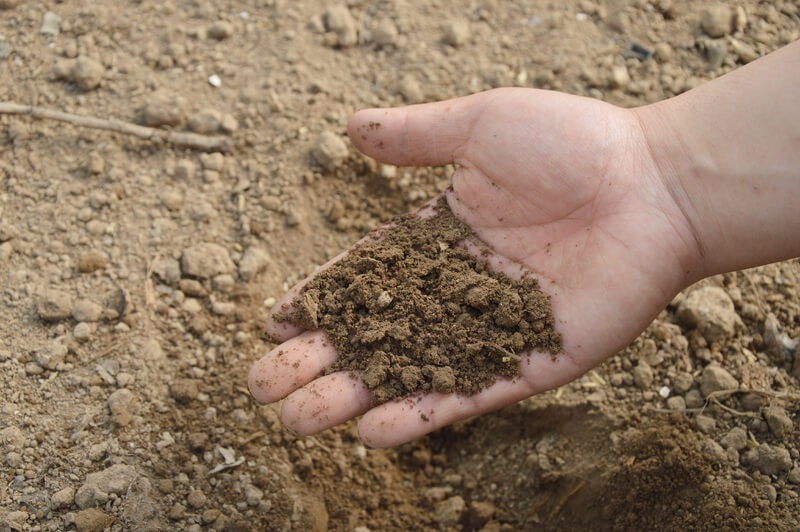
The zinnia prefers light, loose, and well-drained soils, with a good content of organic matter. Although it can tolerate somewhat poor soils, it blooms best in fertile and slightly sandy substrates.
Soil Preparation
Antes de plantar zinnias, es recomendable enriquecer el suelo con compost bien descompuesto, esto ayudará a mejorar la estructura del suelo y aportará nutrientes esenciales. Además, asegurarse de que el suelo tenga un buen drenaje es crucial para prevenir el encharcamiento y las enfermedades de las raíces.
Light Requirements
La zinnia es una planta de sol pleno: necesita al menos 6 horas diarias de luz solar directa para crecer con vigor y florecer abundantemente. Cuanta más exposición solar tenga, más intensos serán sus colores y mayor será la duración de su floración.
Avoid growing it in areas with partial or full shade, as the lack of light can cause weak growth, elongated stems and poor flower production. In very warm climates, it appreciates some light shade during the central hours of the day, but in general it is a lover of the sun without restrictions.
In addition, good sun exposure also helps prevent fungal diseases, as it keeps the leaves dry and the environment less prone to the proliferation of fungi.
Irrigation
The zinnia needs moderate irrigation. The ideal is to water when the substrate is dry to the touch, avoiding waterlogging that could cause the appearance of fungi.
Irrigation Methods
It is advisable to apply the water directly to the substrate, without wetting leaves or flowers, especially if watering in the afternoon, as the retained humidity favors fungal diseases. Drip systems or manual irrigation directed at the base of the plant are the most suitable.
Care: Pests and Diseases
Pest Protection
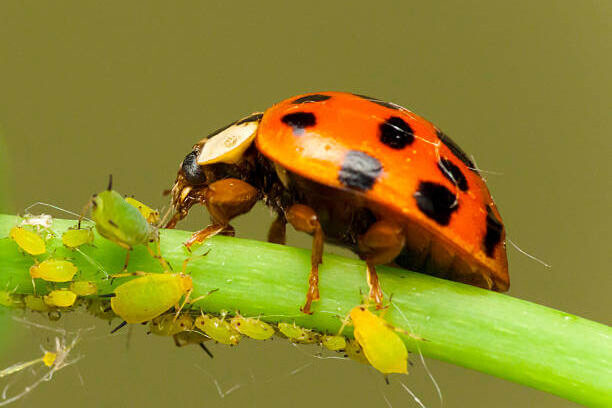
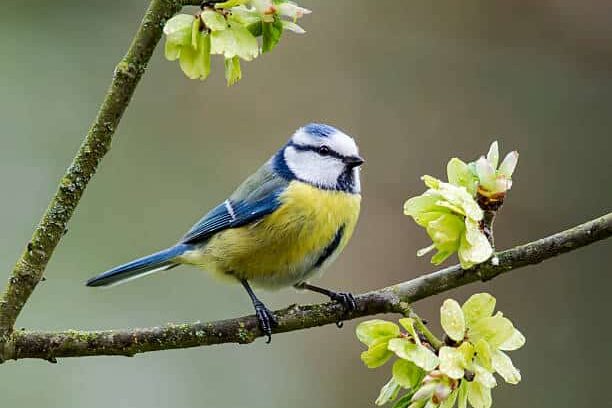
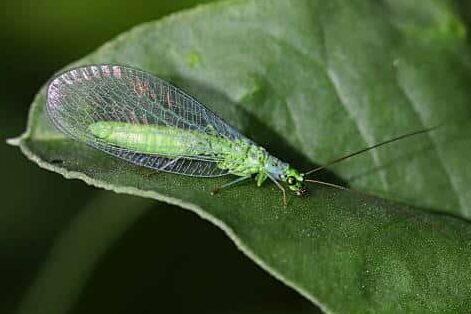
Zinnias can be affected by aphids and thrips, especially during the warmest months. These pests feed on sap, weakening the plant and deforming leaves and flowers. To prevent their appearance, it is useful to plant aromatic plants nearby such as basil or mint, or favor the presence of natural allies such as ladybugs, lacewings, or insect-eating birds, which feed on these insects.
Diseases
Aunque las zinnias son plantas bastante resistentes, cultivarlas en macetas puede hacerlas más vulnerables a ciertos problemas si no se mantienen unas condiciones adecuadas de ventilación, drenaje y exposición solar. The most common diseases in these cases are usually of fungal origin, such as mildew and oidium, as well as possible bacterial infections due to excess humidity.
The best way to avoid these diseases is to prevent them from the beginning:
- Make sure the pot drains well and water does not accumulate at the bottom.
- Always water the substrate directly, without wetting the leaves, as excessive moisture on them can attract fungi.
- Place the plant in a sunny spot and with good ventilation, where the air circulates well.
- Check from time to time and remove dry or diseased leaves. However, do not throw them into the compost, better throw them away, this way you prevent the disease from continuing to spread.
- Use horsetail infusions, this will strengthen the health of your plant.
And if none of the above works… in extreme cases, where the infection has become uncontrolled, some resort to products classified as “natural”, such as sulfur or copper. However, it is important to understand that these are not harmless to our garden ecosystem.
These treatments can act as generalized biocides, that is, they not only affect fungi, but also alter the presence of essential allies. For this reason, their use should be considered as a last resort, when everything else has failed and the risk of complete loss of the plant is imminent. And in that case, always respecting the minimum doses, using them at sunset and avoiding contact with open flowers so as not to affect pollinators.
How to Reproduce Zinnia
Seed Reproduction
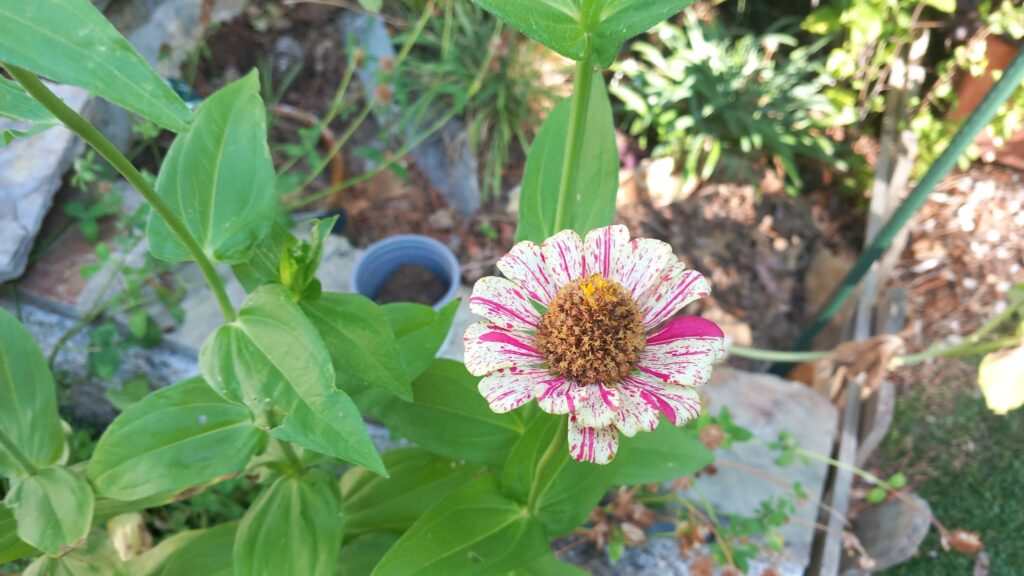
Very easy through seeds in spring.
These plants grow quickly, germinate easily, and do not need complicated care to develop well.
You can sow them directly in the final pot or make a seedbed and transplant them later, depending on space and weather.
Direct Sowing
If you choose to sow directly,wait until the risk of frost has passed and make sure the substrate is loose, well-drained, and slightly moist.
They germinate in 4-7 days at temperatures of 20-25C.
Indoor Germination
If you prefer to make seedbeds, sow the seeds in a container with light substrate and keep it in a warm place with good natural light. Once the seedlings are about 10 cm tall and have a pair of true leaves, you can transplant them to their final pot, handling them carefully to avoid damaging the roots.
How to obtain your seeds
A la hora de obtener nuestras propias semillas de zinnia, solo debemos dejar que algunas flores se sequen en la planta, después podremos recolectar sus semillas fácilmente y guardarlas para la próxima temporada.
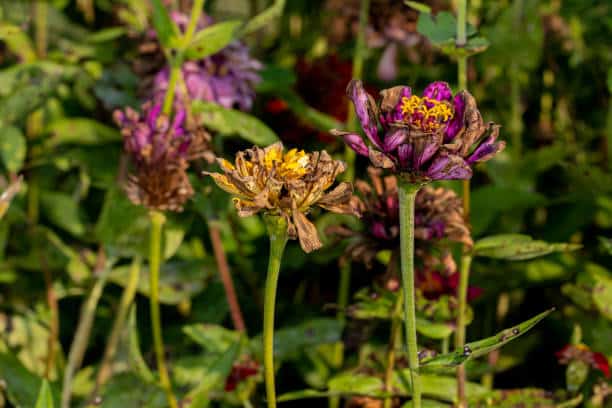
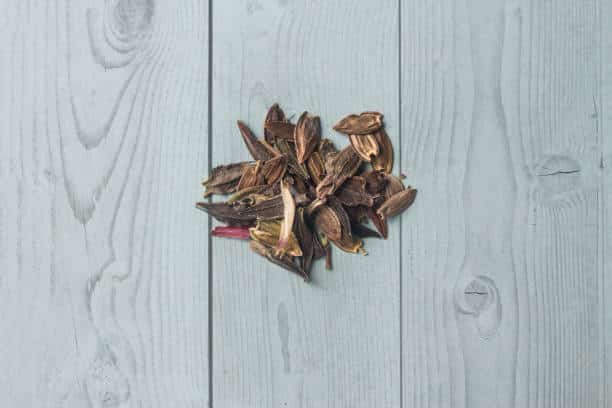
To do this, carefully cut the zinnia and take it to a dry, airy place where you only need to gently rub the floral remains with your fingers. Smallflat and elongated seeds, resembling scales. These are usually mixed with dried petal remains, so it is advisable to separate them well.
Once clean, we will store the seeds in a paper envelope, a cloth bag, or a glass jar, always in a cool, dry, and dark place.
Associations
Besides its ornamental value, zinnia is an excellent companion in the organic garden, as it attracts bees, butterflies and hoverflies, essential for pollination. It can also act as a trap plant, attracting aphids and thrips that would otherwise damage more sensitive crops.
This function not only protects other plants in the garden, but also favors biodiversity, as maintaining a small controlled presence of pests attracts its natural predators and contributes to a balanced and healthy ecosystem. Remember that in an organic garden, it is not about eliminating all pests, but about maintaining a balance in which each species has its role, helping to strengthen the environment naturally.
| Compatibilities | Incompatibilities |
|---|---|
| Caléndula (Muy compatibles por su resistencia y capacidad de atraer insectos beneficiosos) | Sunflowers (sunflowers release allelopathies into the soil that can hinder the growth of nearby plants, including zinnia.) |
| Melón o sandía (Las zinnias atraen polinizadores cruciales para estas cucurbitáceas) | Calabacín (Son muy exigentes en espacio y humedad, lo que puede afectar negativamente a las zinnias, que prefieren menos riego y más aireación) |
| Acelga (Ambas toleran el calor y tienen necesidades hídricas similares.) | Tomate (Puede compartir enfermedades fúngicas como la botrytis y el oídio) |
Ahora que ya conoces todo sobre la zinnia, te dejamos algunas recomendaciones que pensamos que pueden serte útiles:
🌺 Semillas Zinnia
Un básico para atraer polinizadores y llenar tu huerto de color. Fáciles de sembrar y resistentes al calor.
👉 View on Amazon🌿 Semillas Menta
Su aroma ayuda a repeler plagas, favoreciendo un huerto más sano y equilibrado.
👉 View on Amazon🌱 Semilleros Biodegradables
Se plantan directamente en el suelo, evitando el estrés del trasplante.
👉 View on Amazon